2 hr
Tarifa Whale and Dolphin Cruise in the Strait of Gibraltar
- Entry ticket
- Mobile voucher
- Valid same day
- Free cancellation
Tarifa Whale Watching Prices — Compare & Reserve Strait of Gibraltar Cruises
Two continents in view, orcas beneath the bow
Compare fares, pick the fit — all bookings are mobile-voucher and eligible for free cancellation where shown.
2 hr
3 hr
9 hr
Finding the best tarifa whale watching prices depends on your preferred excursion duration and target marine mammals. Daily departures from the harbor offer visitors the chance to observe resident dolphins and pilot whales alongside an expert marine biologist. Selecting a tarifa whale watching prices tour in advance ensures a spot on a vessel guided by a scientific researcher. These coastal waters provide some of the most reliable cetacean encounters in Europe. Before heading to the harbor, review the available tarifa whale watching prices tours to match your schedule.
|
Top pick Standard 2-Hour Tour Whales & Dolphins |
Orca 3-Hour Tour Killer Whales & Dolphins | |
|---|---|---|
| Included Wildlife | Dolphins and pilot whales | Orcas, dolphins, and whales |
| Trip Duration | 2 hours | 3 hours |
| Adult Price | 50 EUR | 70 EUR |
| Child Price (6-14) | 30 EUR | 40 EUR |
| Sighting Guarantee | Free second trip if no sightings | 30% discount if no orcas seen |
| Best For | Families and general sightings | Spotting seasonal orcas |
| See tickets & prices |
Verdict: First-time visitors should select the 2-hour cruise, while wildlife enthusiasts seeking orcas will prefer booking the longer option using online tarifa whale watching prices tickets for these Strait of Gibraltar cetacean excursions.
Worth it for marine wildlife seekers
At €50-€70, the tarifa whale watching prices sit in mid-range territory for a boat trip, and the value math holds up well. What you pay covers roughly two hours on the water in the Strait of Gibraltar, one of the few places where the Atlantic funnels into the Mediterranean and draws resident pilot whales, dolphins, and seasonal orcas into a narrow channel. What you actually get is a near-guaranteed encounter, backed by a 99% sighting success rate, plus marine biologist guides who narrate behaviour rather than just point. That combination of geography and expertise is hard to replicate elsewhere in Europe. A tarifa whale watching tour pays off for anyone drawn to cetaceans, photography, or the science of the strait. It is less compelling if you only want a scenic sail, since the sailboat cruise with snorkeling covers that at a similar rate. Entry to book is free at the Tarifa office.
Bottom line: For cetacean encounters with expert commentary, the tarifa whale watching prices tickets justify the spend.
Both operators depart from the same local harbor, but they cater to very different travel styles.
|
Top pick |
Firmm | |
|---|---|---|
| Vessel Type | 3 vessels (some with glass bottoms) | 2 vessels (one with underwater view) |
| Educational Briefing | Briefing by guides on board the boat | 30-minute introductory lecture at harbour office |
| Booking & Payment Policy | Pay online in advance during booking | Pay at office on departure day |
| Weather Cancellation Policy | Full refund or reschedule for another day | Free cancellation until boat's departure time |
| Primary Focus | Ecotourism, commercial excursions, and passenger transport | Scientific research, education, and marine conservation |
| See tickets & prices |
Verdict: Both companies navigate the same marine sanctuary. Alternatively, booking tarifa whale watching prices tours with Firmm supports ongoing scientific research and includes an educational presentation before you board.
Hand-picked experiences loved by thousands of travelers
1.5 hours
Free Cancellation
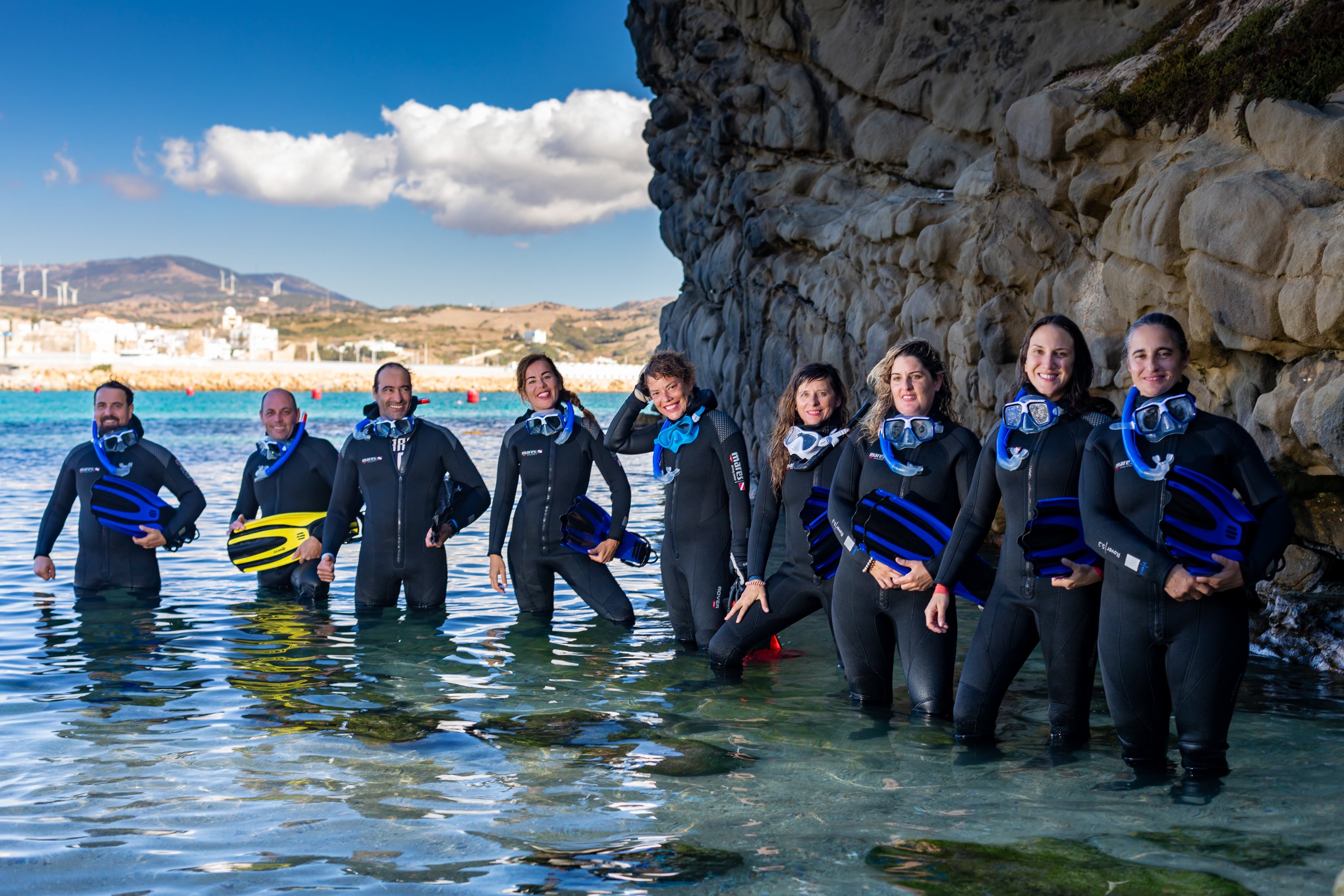
Discover the vibrant marine life of Strait Natural Park on a guided snorkeling adventure in Tarifa's crystal-clear waters.
3 hours
Free Cancellation
Sail the Strait of Gibraltar, try your hand at steering, and enjoy fresh tapas on this 3-hour marine adventure.
9 hours
Free Cancellation
Cross the Strait of Gibraltar for a private, guided exploration of Tangier's historic sights and souqs, complete with a traditional lunch.
13 hours
Free Cancellation
Spot wild dolphins in the Strait of Gibraltar and enjoy free time in Tarifa on a full-day coastal excursion.
1 day
Free Cancellation
Spot marine life in the Strait of Gibraltar and enjoy free time on Tarifa's beaches on this day trip from Seville.
2 - 3 hours
Free Cancellation
Learn or perfect your kitesurfing skills in Tarifa with certified instructors and tailored 2 to 3-hour coaching.
2 hours
Free Cancellation
Ride the Atlantic waves of Tarifa in a fun, expert-led group surf lesson perfect for all skill levels.
6 - 7 hours
Free Cancellation
Cross the Strait of Gibraltar for a private, customizable tour of Tangier’s iconic coastline and historic Medina.
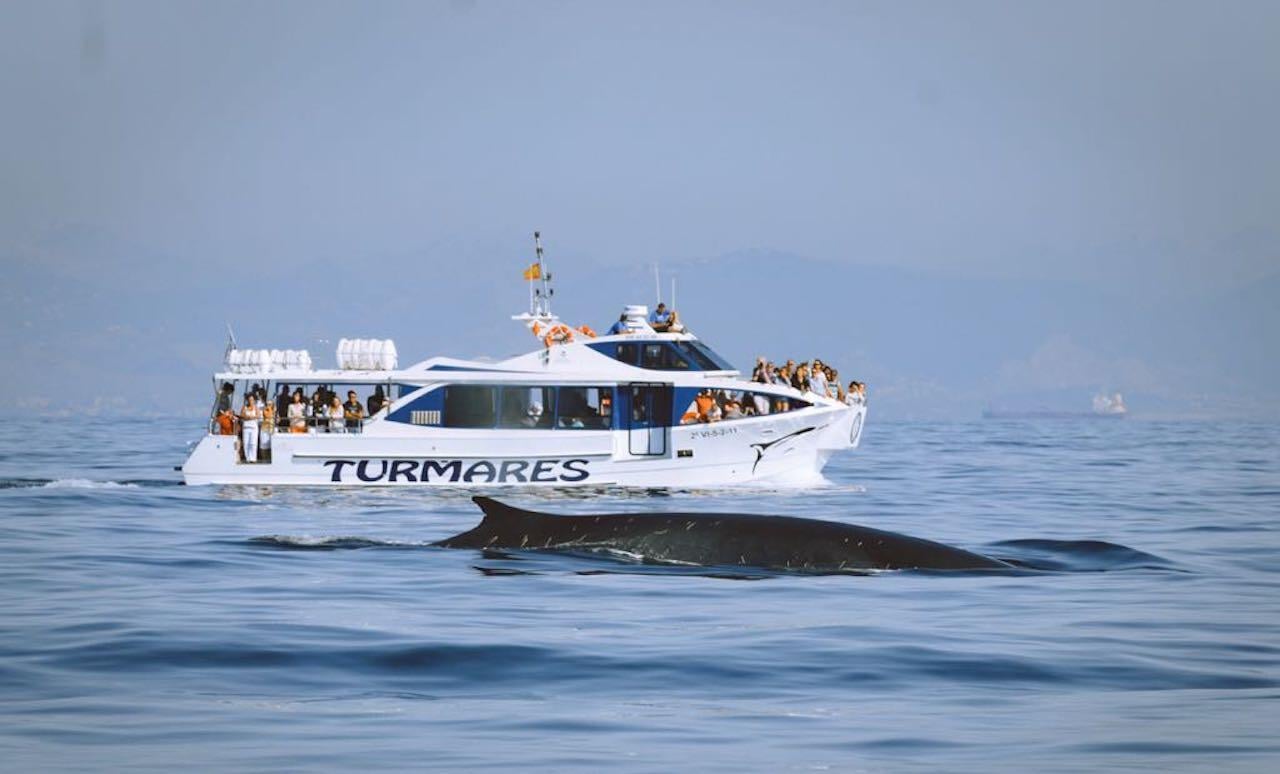
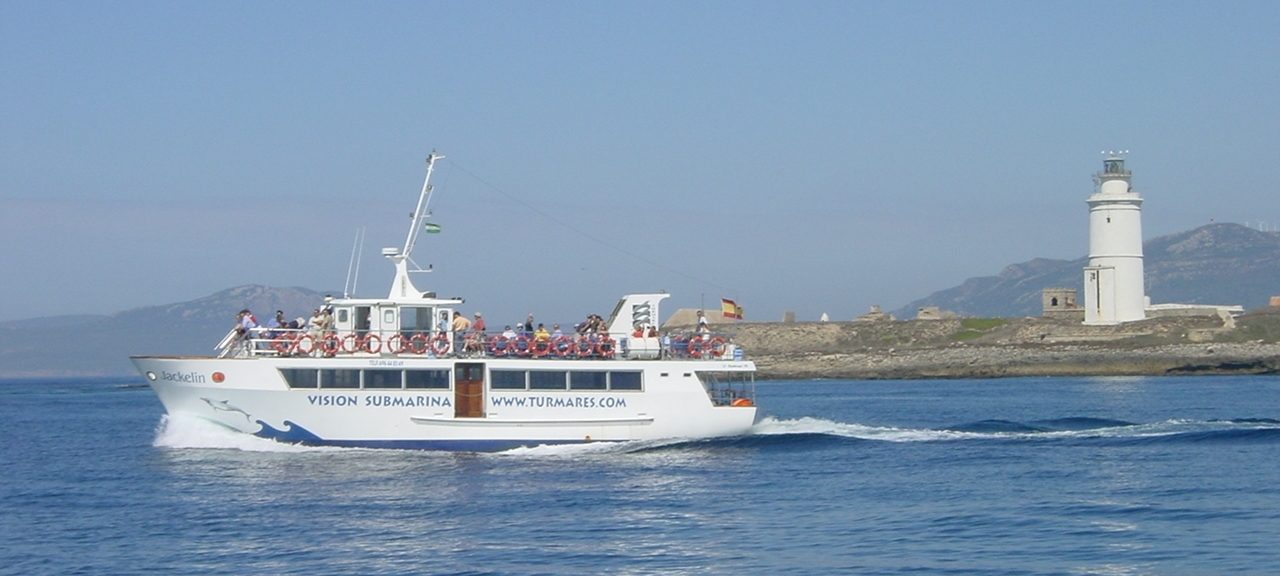
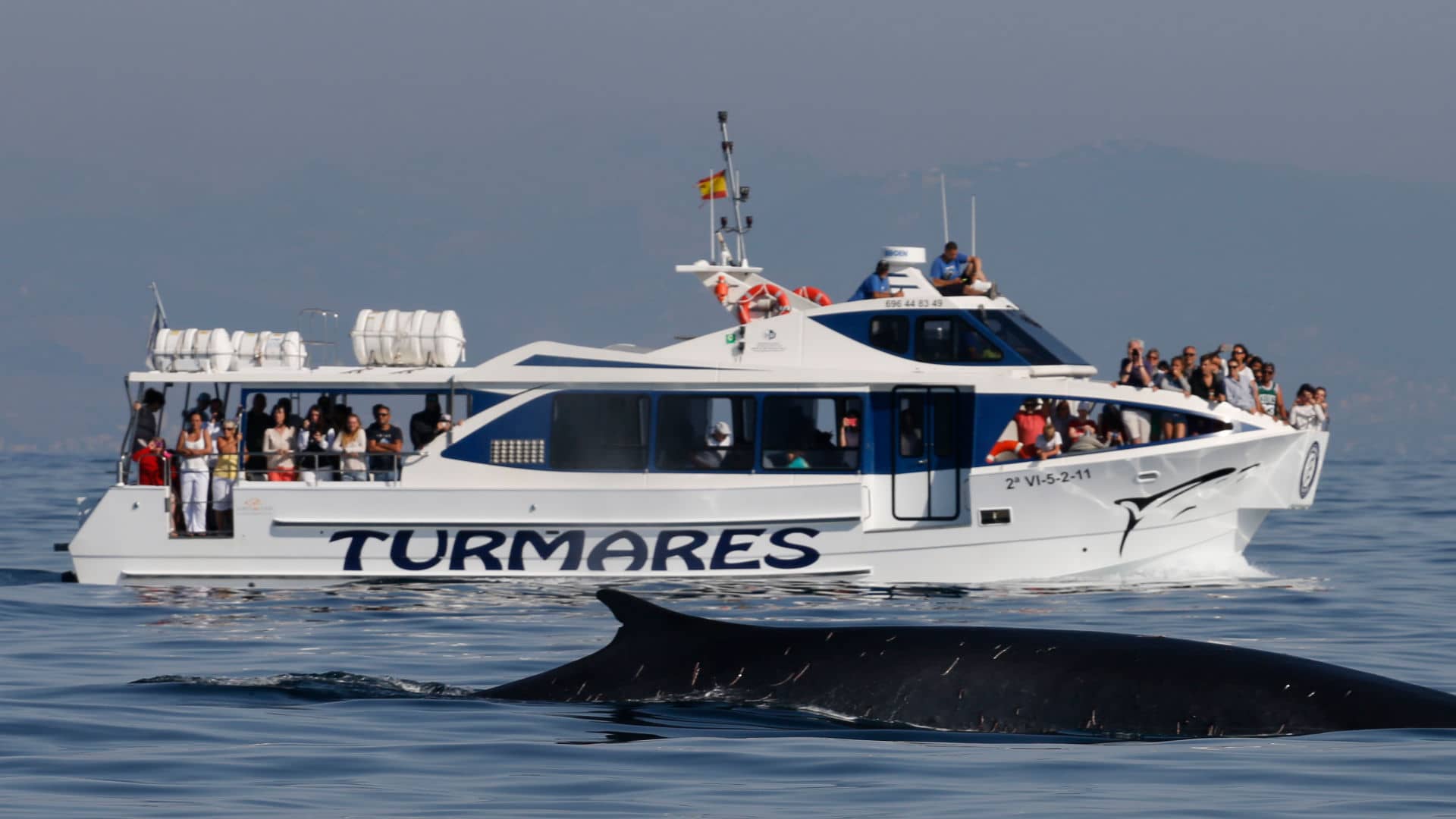
The Jackelin is a double-deck vessel measuring 22 meters in length and holds up to 150 passengers. It serves as a primary boat for Strait of Gibraltar excursions and is equipped with underwater viewing chambers.
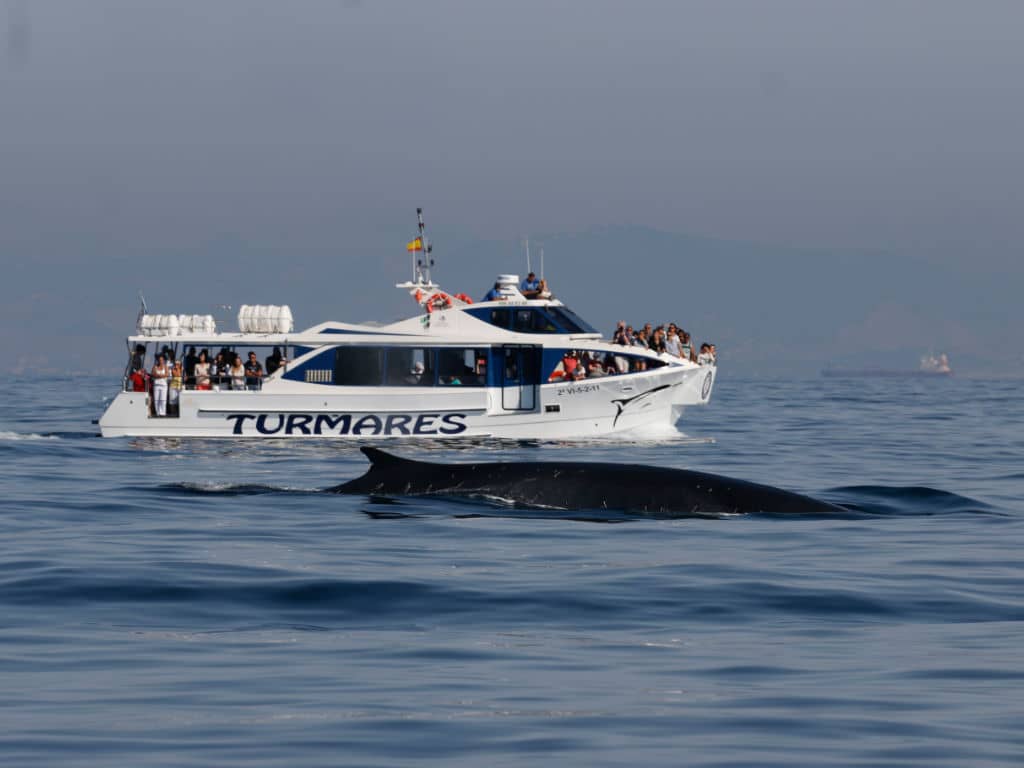
This hybrid vessel has a cruising speed of 20 knots and was built to reduce acoustic noise in the marine environment. It serves as a floating laboratory where biologists record data on local cetaceans during every departure.
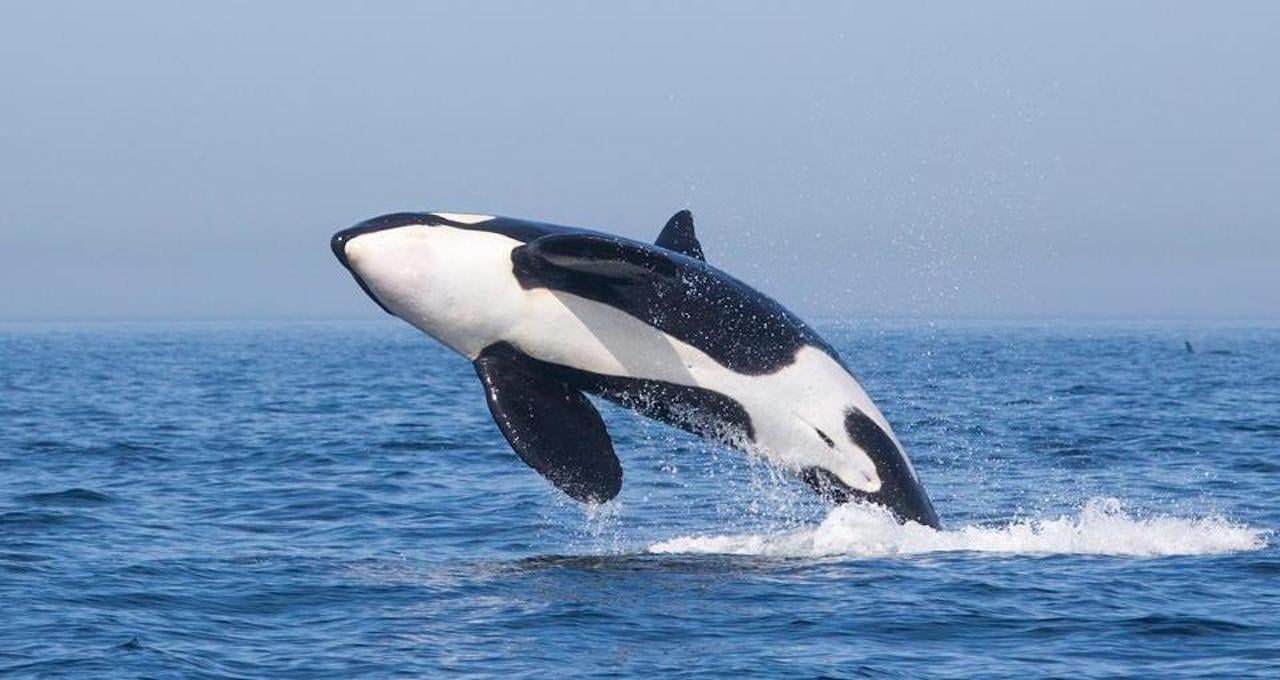
Built for speed and agility, this boat is used primarily for the 3-hour orca search excursions. It allows passengers to reach the deep waters near Tangier where killer whales hunt bluefin tuna.
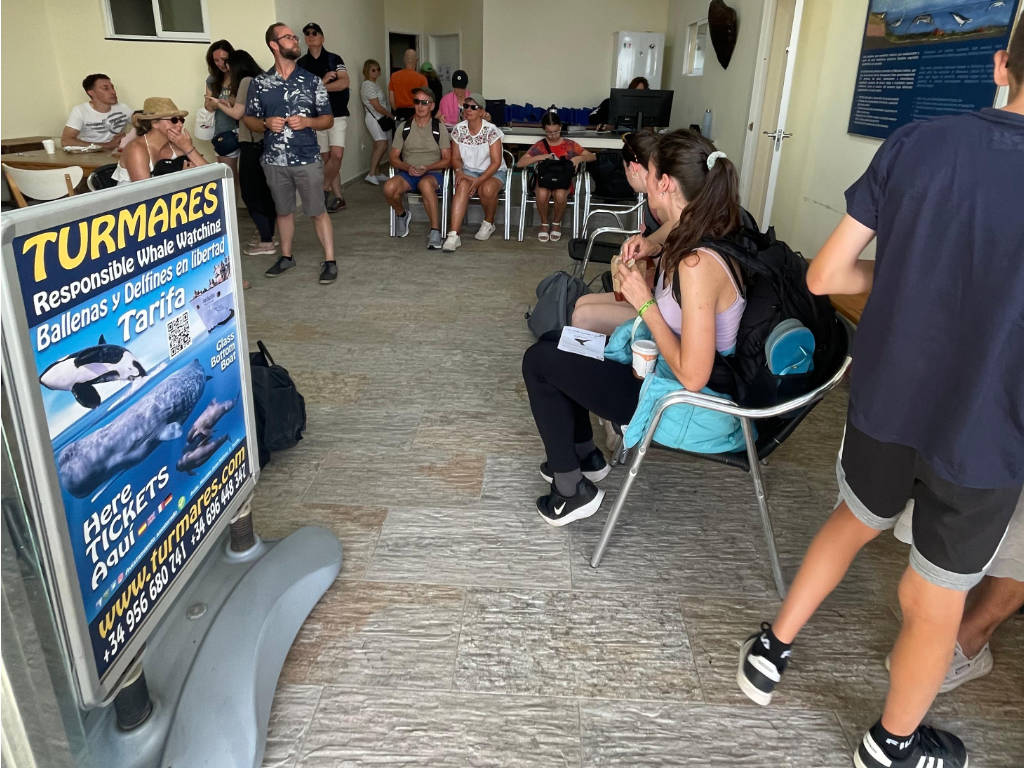
Housed inside the headquarters at Calle Alcalde Juan Núñez, this space features interactive displays on 7 local cetacean species. Visitors check in here 30 minutes before boarding to receive their mandatory safety and environmental briefing.
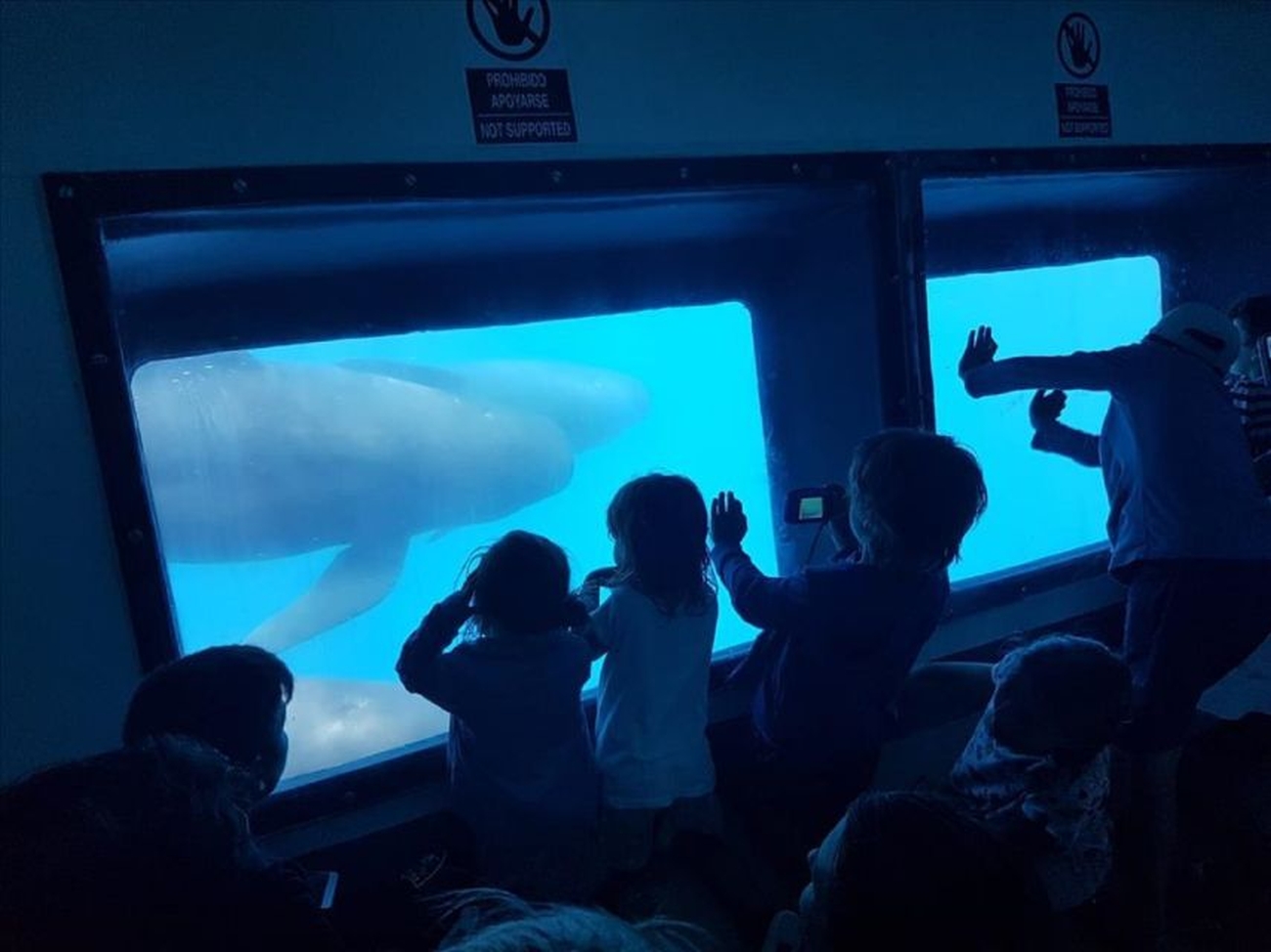
Located in the lower hull of the Jackelin, these thick glass viewing ports sit 1.5 meters below the waterline. They provide a direct view of common dolphins and pilot whales as they swim alongside the vessel.
All the details about your upcoming adventure in one place
The Strait of Gibraltar narrows to just 14 kilometres at its tightest point, and through that gap the Atlantic and the Mediterranean trade water twice a day. This churning corridor between Spain and Morocco is one of the few places on Earth where seven cetacean species can be logged in a single season.
Comparing tarifa whale watching prices begins with understanding why the sightings are so reliable here in the first place.
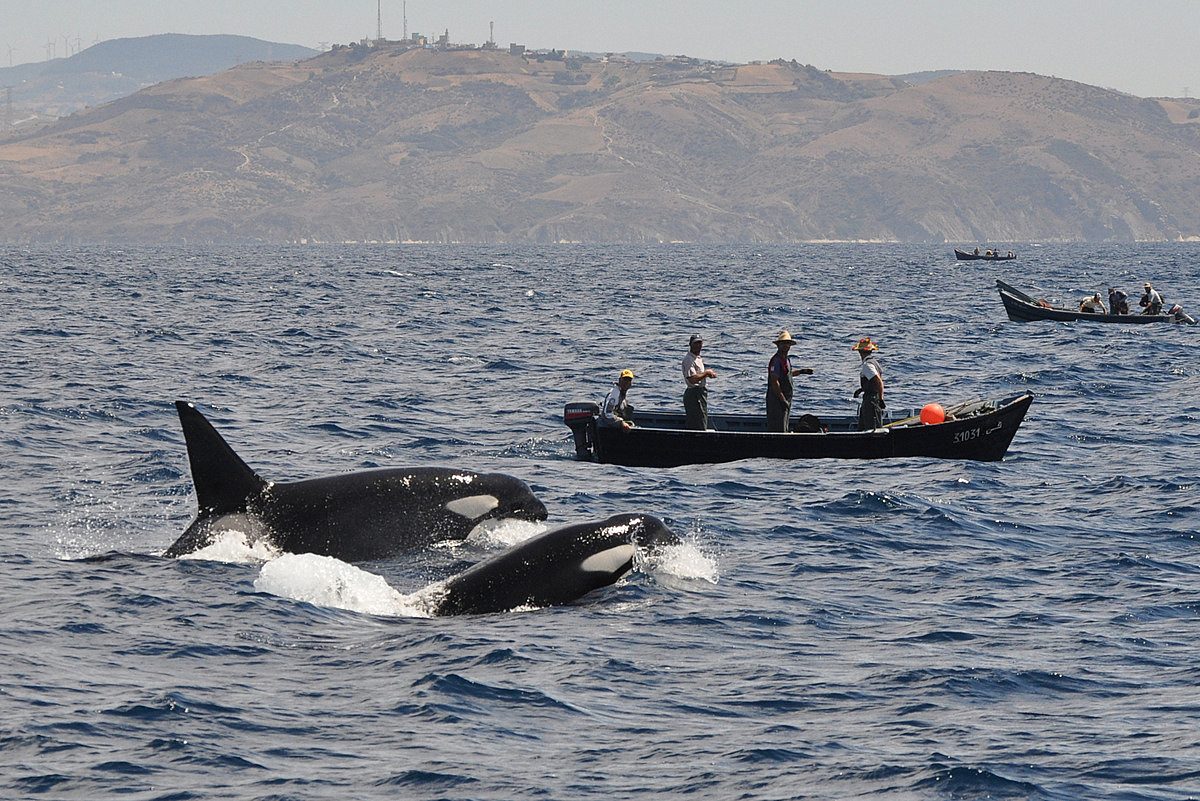
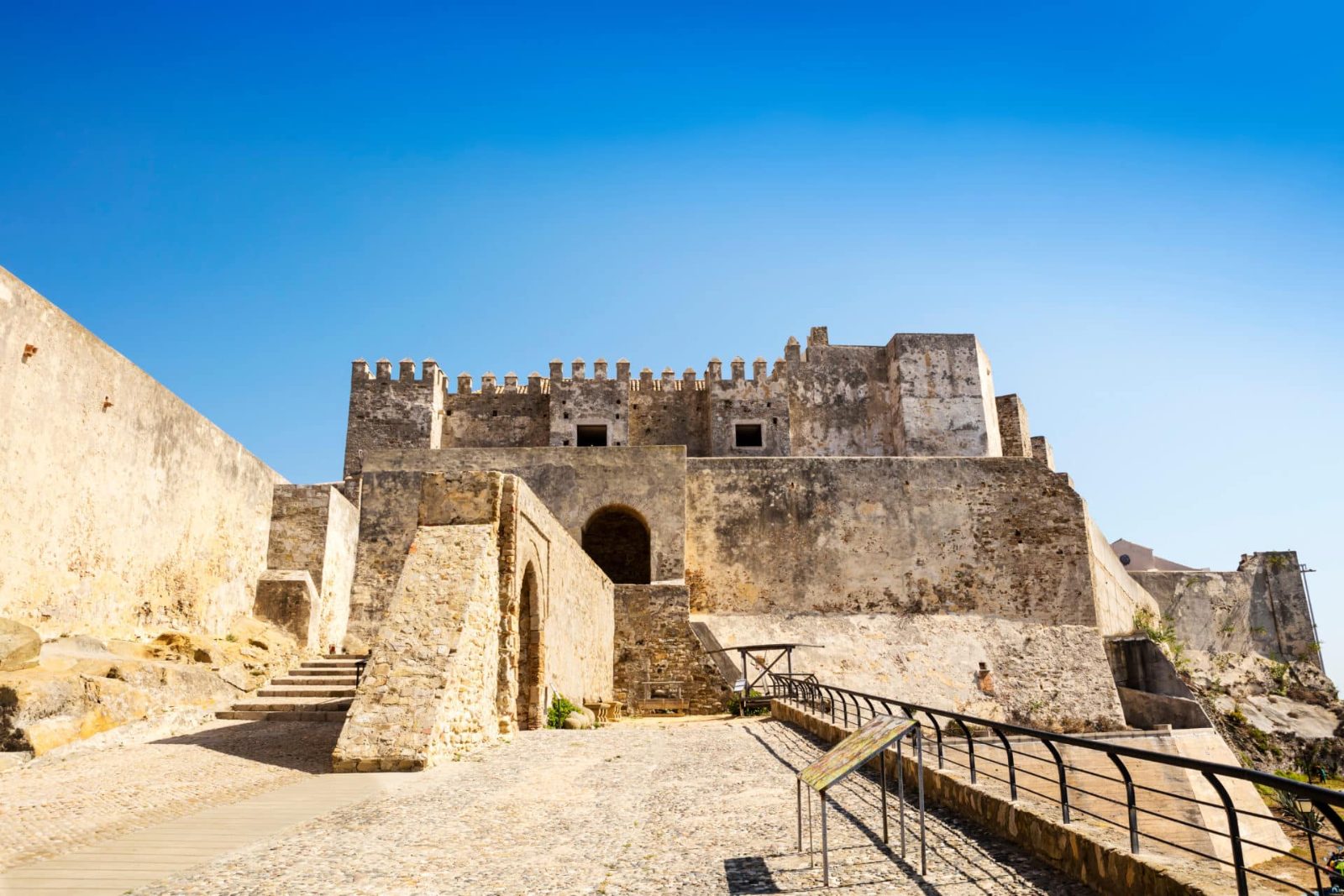
Tarifa sits at the southernmost tip of continental Europe, a wind-scoured town of whitewashed walls and a medieval Guzmán el Bueno castle. The upwelling where two seas meet drives nutrients toward the surface, feeding the tuna that in turn draw resident pods of pilot whales and bottlenose and common dolphins. In summer, sperm whales pass through on migration, and small groups of killer whales follow the bluefin tuna runs of July and August.
Boats depart from the harbour beside the old town, crossing water where cargo tankers and ferries share the channel with foraging animals. Onboard marine biologists log each encounter, and the data feeds regional conservation records that stretch back decades. The vessels keep regulated distances, cutting engines to let curious dolphins approach on their own terms. This is why a Strait of Gibraltar dolphin cruise reads less like a boat ride and more like fieldwork you happen to be aboard.
The backdrop rarely disappoints: the Rif Mountains rise across the water, Jebel Musa and the Rock of Gibraltar framing the ancient Pillars of Hercules. Levante and Poniente winds shape every crossing, which is why morning departures tend to find the calmer sea. Weighing tarifa whale watching prices against sailings, snorkelling trips in the Strait Natural Park, and ferry day-tours to Tangier reveals a small fleet built around one rare geography. The town has watched these waters for centuries; the cetaceans have used them far longer, threading the same current that once carried Phoenician traders and Roman grain ships between two continents.

Where the Atlantic and the Mediterranean trade water twice a day, seven cetacean species share one 14-kilometre corridor.
Standard bookings can be canceled up to 24 hours in advance for a full refund, but checking current Tarifa whale watching prices online is recommended to confirm seasonal variations. In the event of tour cancellations due to unfavorable weather conditions, guests receive a full refund or a free reschedule.
Weather · crowds · average price — dots go green to amber to red as each metric rises.
This season is optimal for viewing migrating fin whales and resident pilot whales. Sea temperatures average 16 to 18 degrees Celsius, and tourist crowds are minimal.
Summer (July to August) is the best period to spot orcas hunting bluefin tuna. During these months, Tarifa whale watching prices might reflect longer 3-hour specialty excursions.
September and October provide warm days and calm water conditions. Resident dolphin species and pilot whales remain active, while tourist traffic decreases significantly.
Excursions are highly limited or suspended during winter due to frequent Atlantic storms. The booking office operates on reduced hours, and few boat departures are scheduled.
Strait crossings depend on the Levante and Poniente winds. If winds exceed safe limits, boats will not sail, so plan your itinerary with a buffer day.
The waters between Europe and Africa can be choppy. Take motion sickness medication at least one hour before boarding to ensure a comfortable journey.
Always compare Tarifa whale watching prices online prior to arrival to secure promotional rates. Online booking ensures you get a guaranteed spot on the vessel.
The boarding process requires passengers to arrive at the office 30 minutes before departure. Late arrivals risk losing their spots on the boat.
Temperatures drop significantly once the vessel gains speed on the water. Bring a windbreaker and a warm fleece even on hot summer afternoons.
Sit on the upper deck for the best panoramic views, or head to the lower bow to watch dolphins swimming in the pressure waves.
The Strait of Gibraltar once ran with whaling blood. It marks the meeting of the Atlantic and the Mediterranean, a channel scarcely fourteen kilometres wide. Through the mid-twentieth century, crews hunted its waters for oil and meat. The last regional whaling factory ceased operation in 1963. Sperm whales and long-finned pilot whales were logged as cargo, not wonder. Their migration corridor had become a slaughtering ground. The closure ended an industry, yet left no plan for protection. Interest in tarifa whale watching prices lay decades ahead, unimagined. Recovery arrived slowly. The International Whaling Commission adopted its commercial moratorium in 1982, effective from 1986. Spain wound down its remaining Atlantic stations within that same decade. For years the cetaceans crossed unobserved and uncounted. No organised tarifa whale watching prices tour yet sailed from the port. Fishermen still worked the channel, but the harpoon had gone. The animals became data waiting to be gathered. The scientific chapter opened in 1998. That year the Foundation for Information and Research on Marine Mammals, FIRMM, was established in Tarifa. Sightings turned into records. Skippers logged bottlenose dolphins, orcas and fin whales along the very route once fished. The framing of tarifa whale watching prices changed, tied now to research rather than harvest. Local guides described the outings as avistamiento de cetáceos, patient and rule-bound. The town on the Cádiz coast became a base for marine study. By the early 2000s, research and tourism moved together. Modern tarifa whale watching prices tours served passengers and long-term monitoring alike. Sightings recorded on the water fed conservation programmes across the region. In time, tarifa whale watching prices tickets came to fund that study as much as passage. What survives is the corridor itself. The killing grounds of 1963 are now a place of counting and care. Each summer the cetaceans return to the Strait, watched now instead of hunted.
The last regional whaling factory in the Strait ceased operation, ending organised hunting.
The International Whaling Commission adopted its commercial whaling moratorium.
The moratorium took effect and Spain closed its remaining Atlantic whaling stations.
The FIRMM research foundation was established in Tarifa to study the Strait's cetaceans.
Tarifa remains a working base for cetacean research and observation cruises.
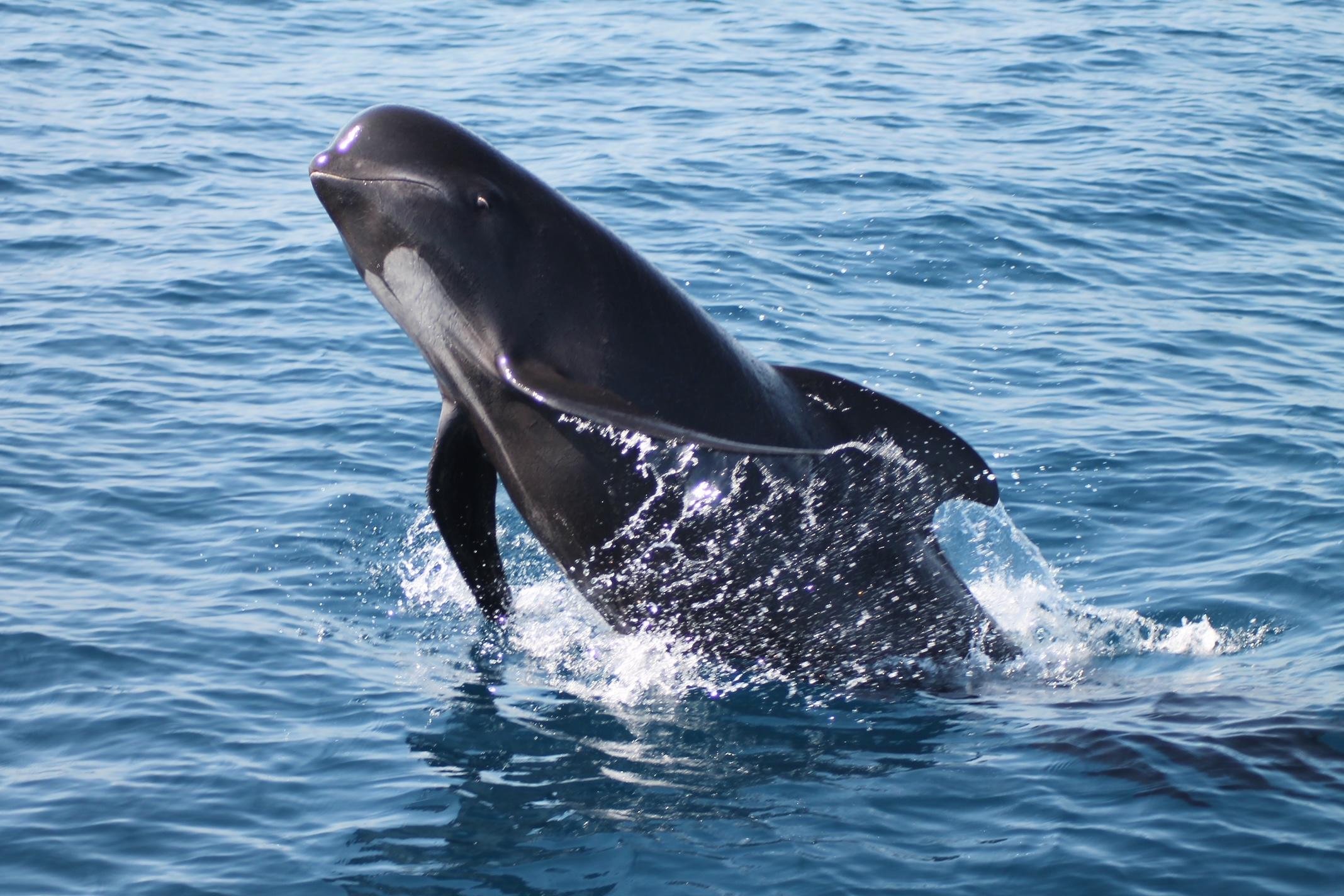
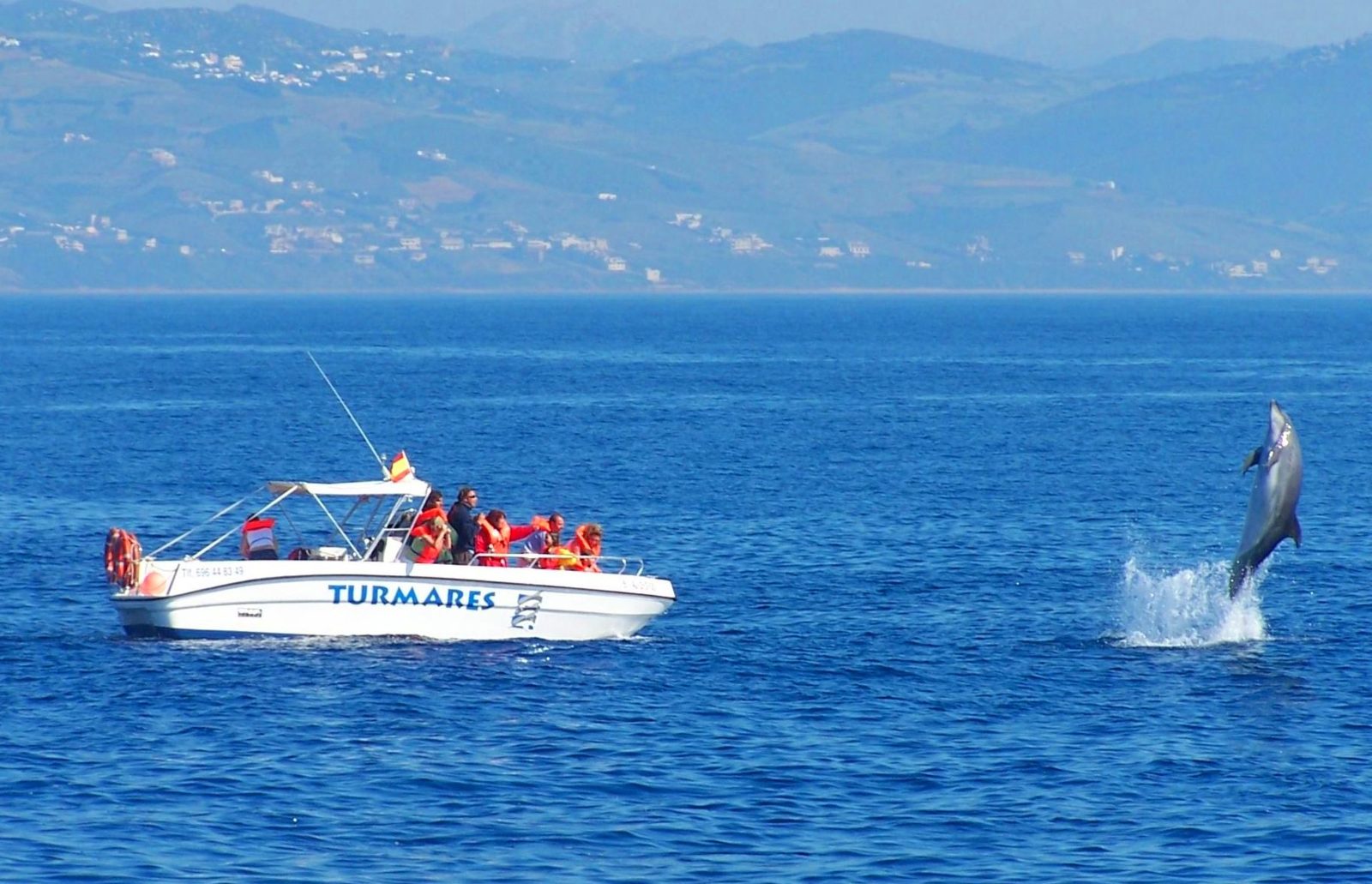
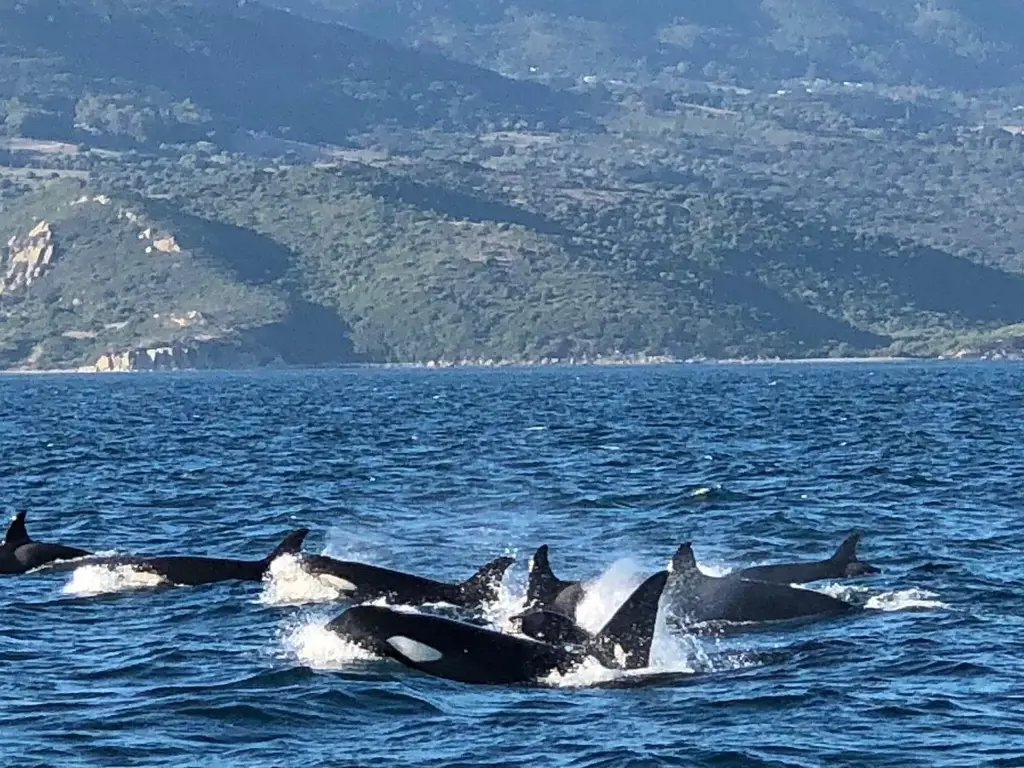
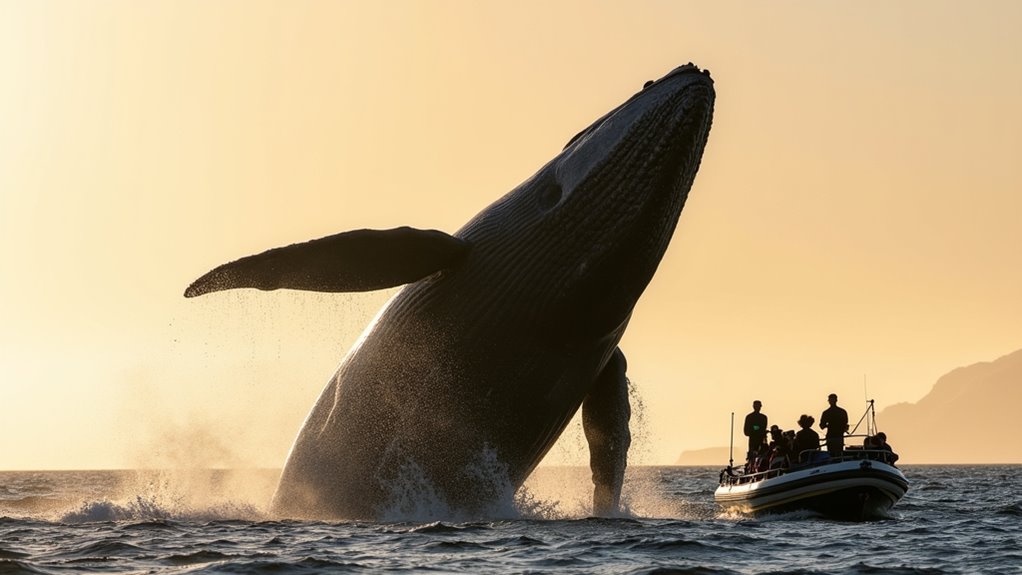
Frame pilot whales and bottlenose dolphins leaping against the silhouette of Morocco's Jebel Musa mountain. When budgeting for your excursion, checking the tarifa whale watching prices online helps secure your booking. Keep a fast shutter speed to capture the rapid movement of the marine life.
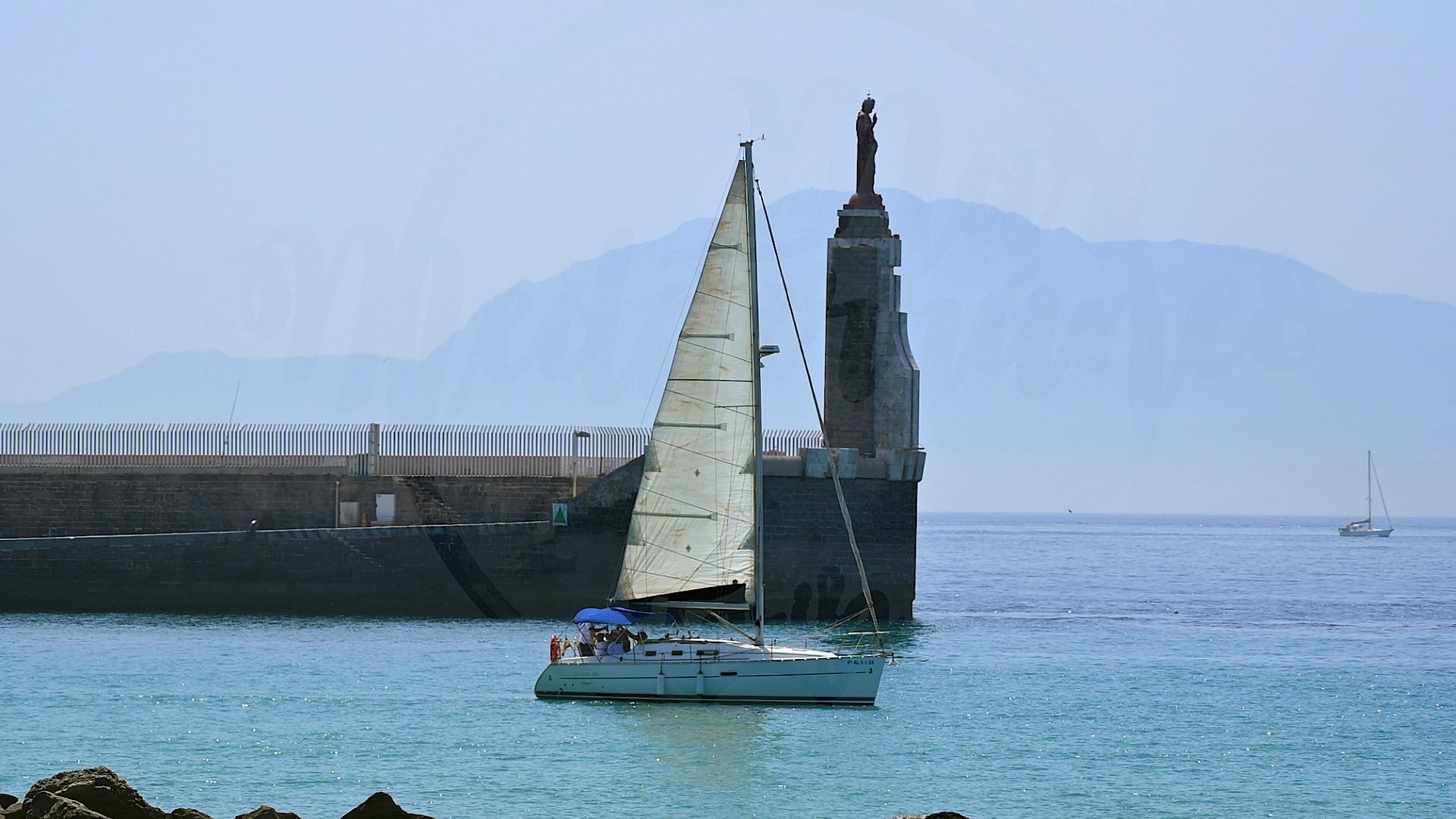
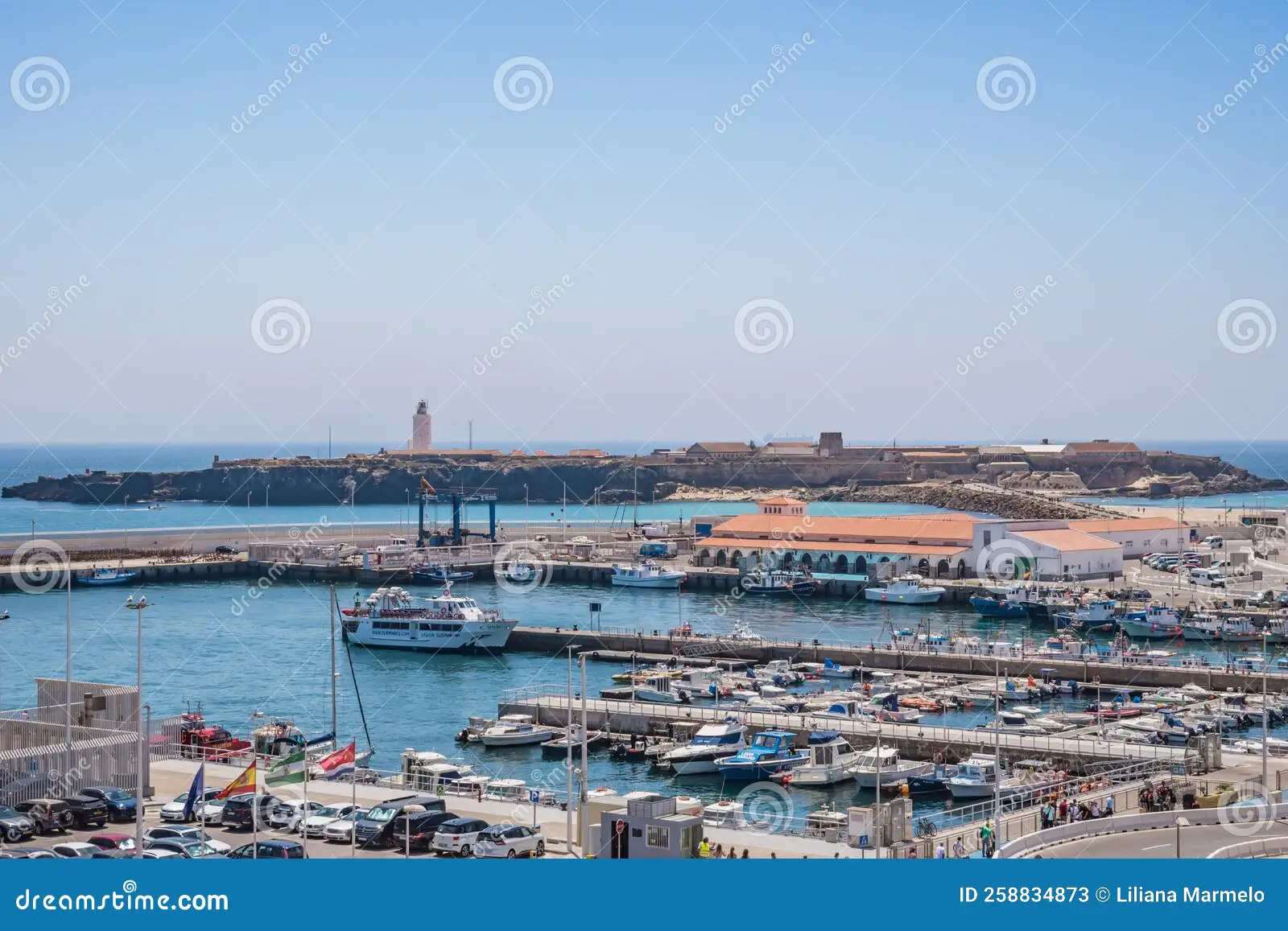
Capture the classic white vessels of the local fleet docking in the harbor. You can check the current tarifa whale watching prices tours departure schedules at the port terminal before boarding. The morning light provides a clear reflection of the boats against the calm water.
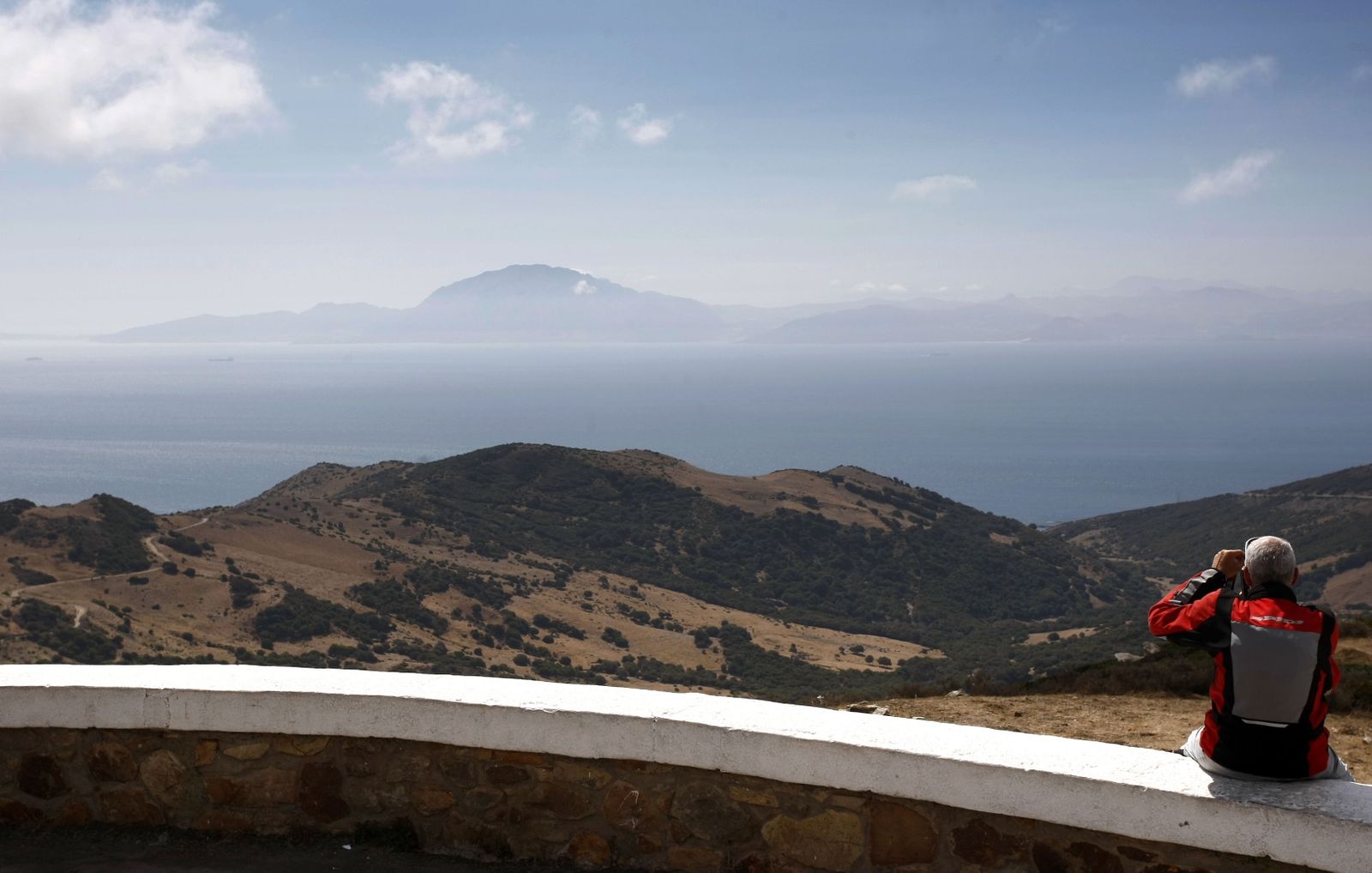
Photograph the panoramic vista of the African continent across the narrow sea channel. Many visitors pause here to look up tarifa whale watching prices tickets before heading down to the harbor. Bring a telephoto lens to capture ships cruising through the shipping lanes.
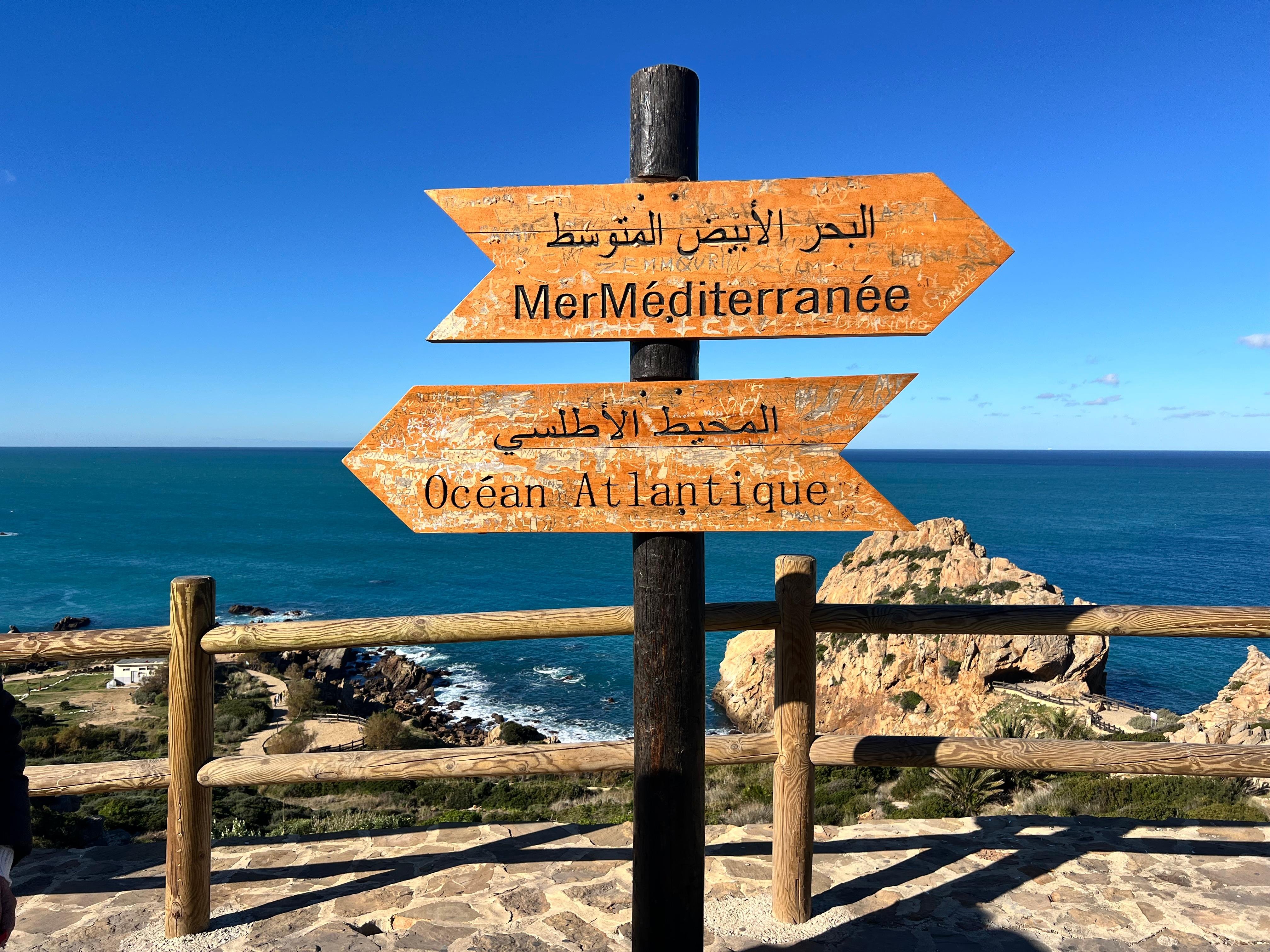
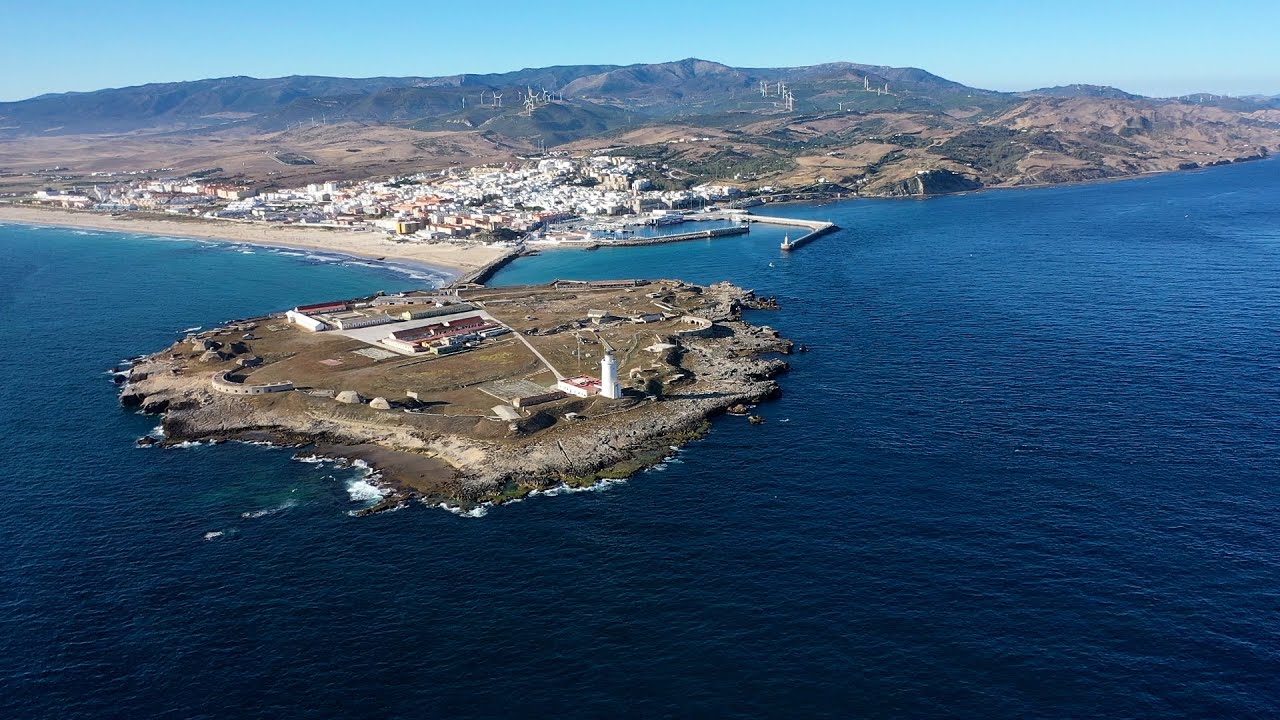
Shoot the dividing line where the Atlantic Ocean meets the Mediterranean Sea. This is the starting area for the classic Tarifa whale watching tour routes. Make sure to check the tarifa whale watching prices tour options if you plan to book a private charter from this point.
Planning a family outing to see cetaceans in the Strait of Gibraltar requires understanding the tarifa whale watching prices and boat logistics. Standard two-hour excursions typically cost around €50 for adults, €30 for children ages 6 to 13, and €15 for toddlers aged 1 to 5.
While there are no strict age limits, a Tarifa whale watching tour is best suited for children aged 4 and up who can handle the open water. Families can compare the different tarifa whale watching prices tours options to choose the right duration, keeping in mind that younger kids might struggle with three-hour trips.
The Strait of Gibraltar often experiences strong currents, making sea sickness a common challenge for little ones. Families booking a tarifa whale watching prices tour should consult a doctor about child-safe remedies before boarding and ensure everyone stays hydrated.
Strollers are not permitted on the boats due to limited deck space and safety regulations. You can store your stroller at the office on Calle Alcalde Juan Núñez and carry infants in a harness during the cruise.
Comparing the tarifa whale watching prices tickets for various providers reveals distinct tiers, with significant discounts for children under 14 and free passage for babies under one year. Always check if the company includes free ticket changes in case high winds cancel departures.
Finding the best tarifa whale watching prices helps you budget, while checking the harbor for dining options ensures you stay energized. The local port area offers a variety of quick tapas bars and cafes right by the water.
This modern restaurant is located right on the waterfront, specializing in wild bluefin tuna and fresh paella. It is perfect for a relaxing lunch before checking in for your tarifa whale watching prices tour. The outdoor tables fill up quickly on warm afternoons.
Known for local pastries and artisanal sandwiches, this café features a lovely terrace overlooking the harbor. It serves as an ideal breakfast spot to grab a coffee before joining one of the tarifa whale watching prices tours. Service is quick and friendly.
Situated along the nearby Paseo de la Alameda, this popular spot offers authentic red tuna and fried fish. It caters well to travelers who just purchased their tarifa whale watching prices tickets for Strait of Gibraltar boat trips. Be sure to try the local salad with tuna.
Everything you need to know for your journey
Spring and autumn offer a balance of lower passenger volumes and active marine life, though peak summer is the only time to spot migrating orcas.
This well-preserved medieval fortress was constructed in 960 AD by the Caliph of Cordoba. It offers panoramic views across the Strait of Gibraltar toward Morocco.
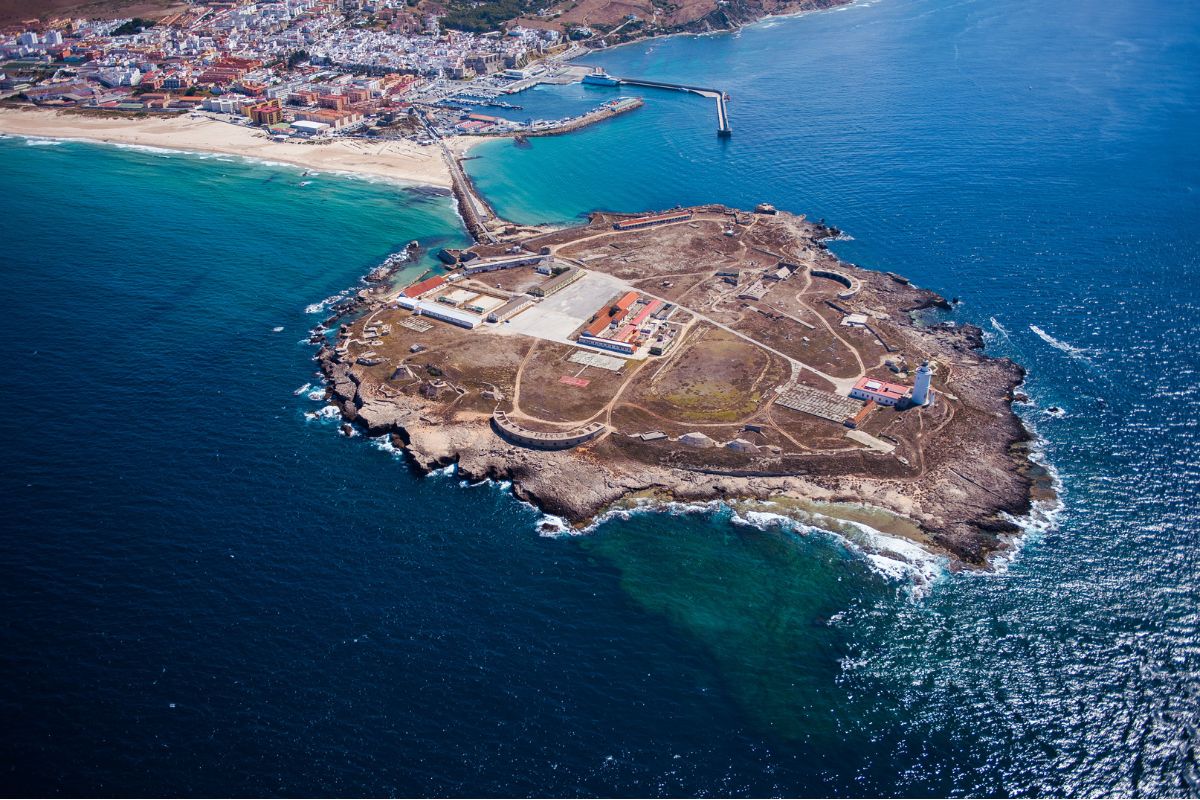
The southernmost point of continental Europe, connected to Tarifa by a narrow causeway. It separates the Mediterranean Sea from the Atlantic Ocean.
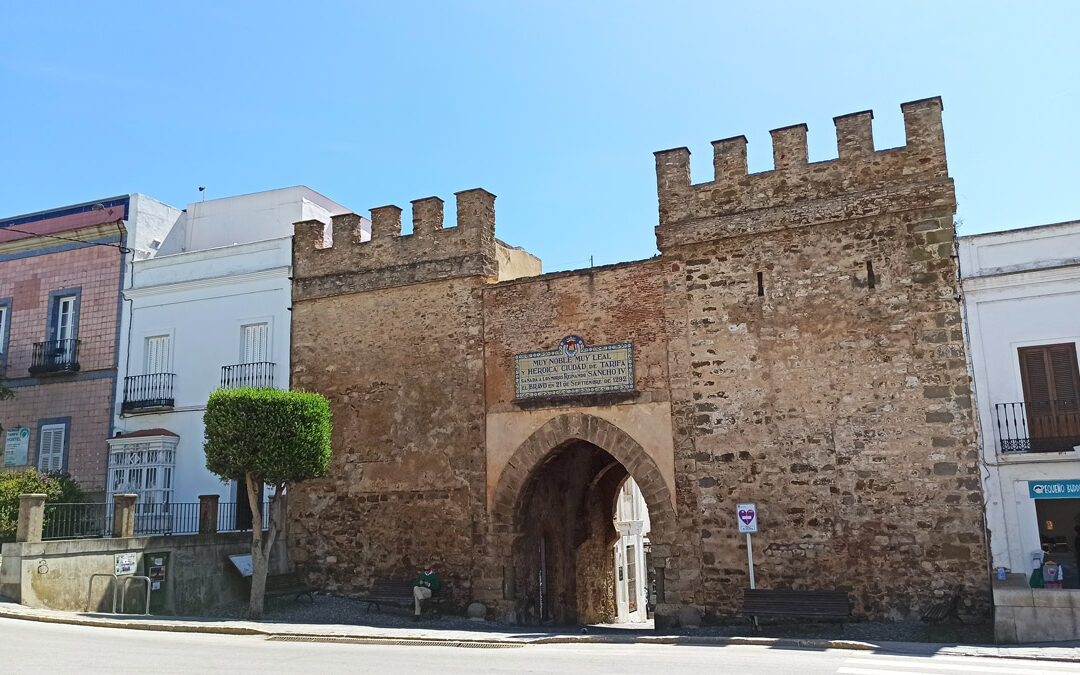
A historical stone archway serving as the main entry point to the medieval quarter of Tarifa. It was built in the 13th century after the Christian conquest.
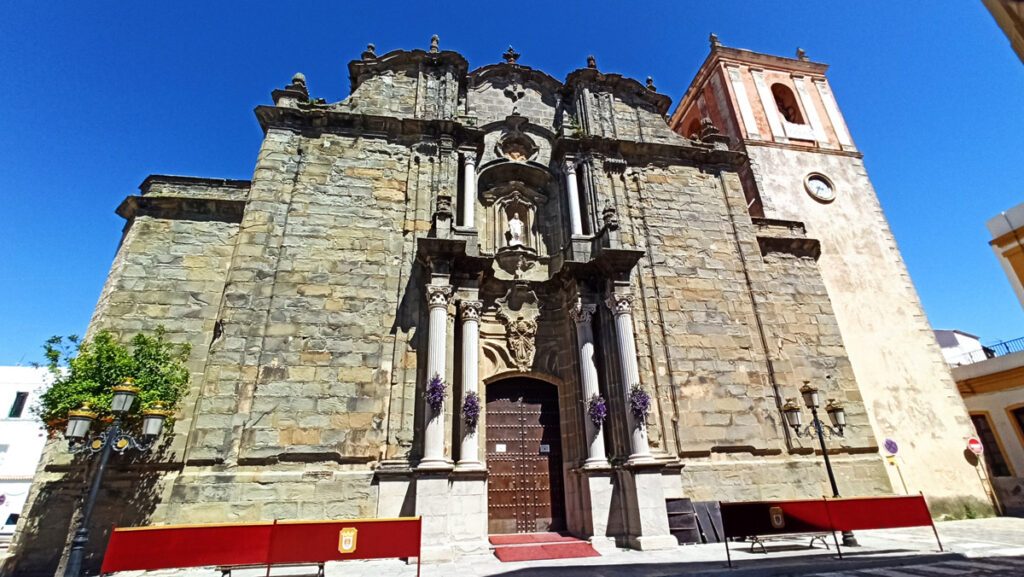
A late Gothic church built in the early 16th century on the site of an ancient mosque. It features a striking Baroque facade redesigned in 1774.
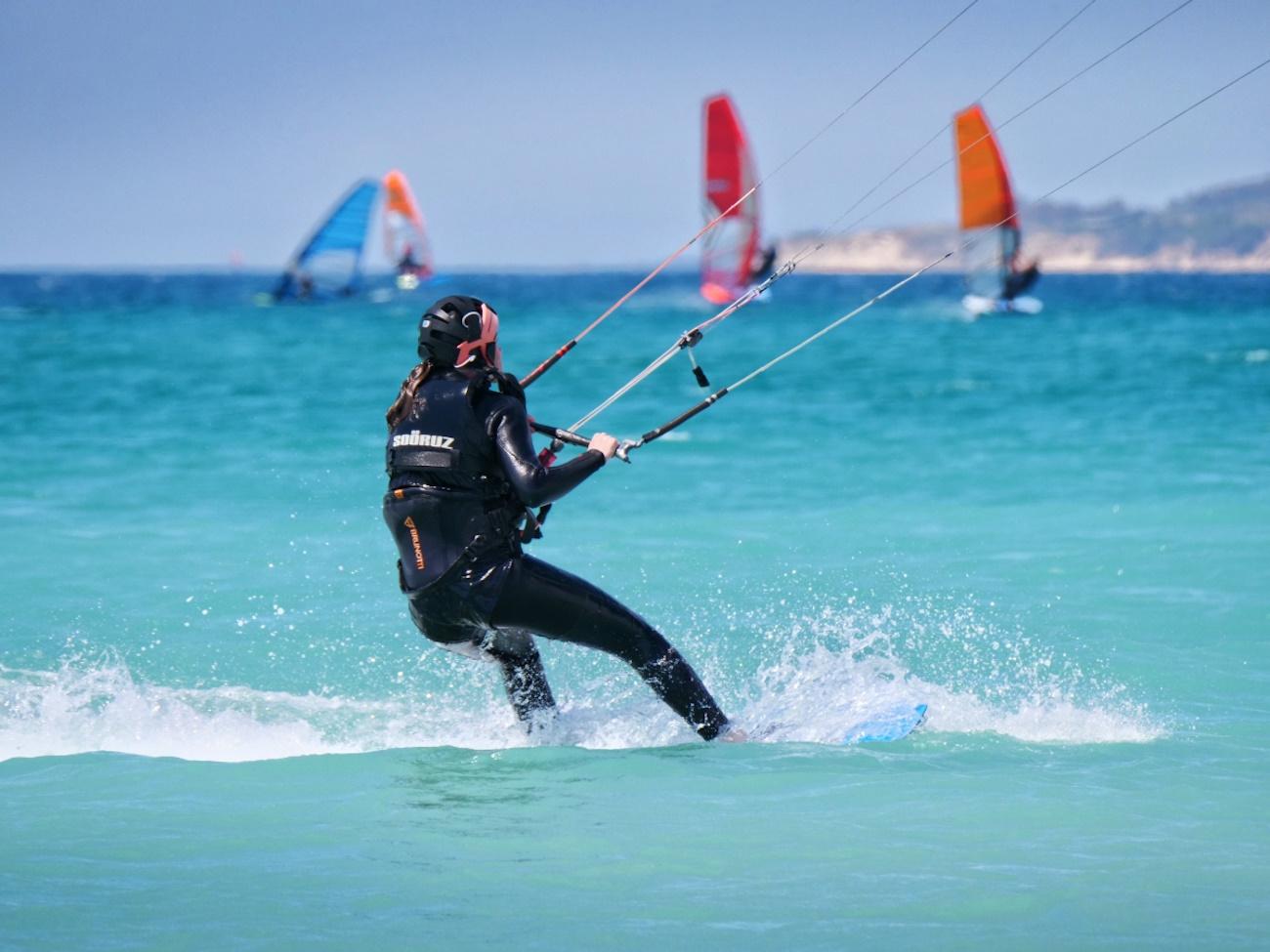
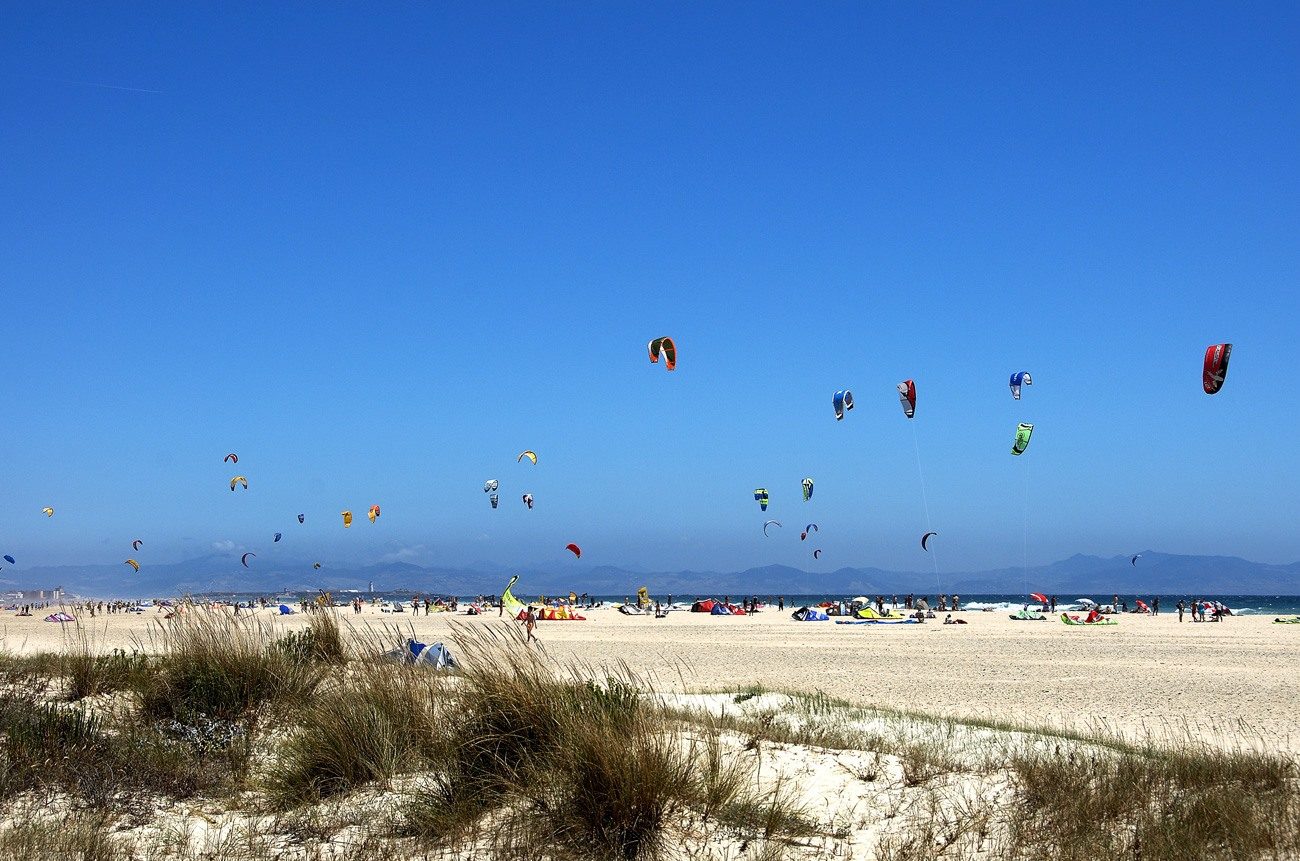
A wide sandy beach famous for its strong winds, making it a hub for kitesurfing. The beach is bordered by a natural protected area of sand dunes.
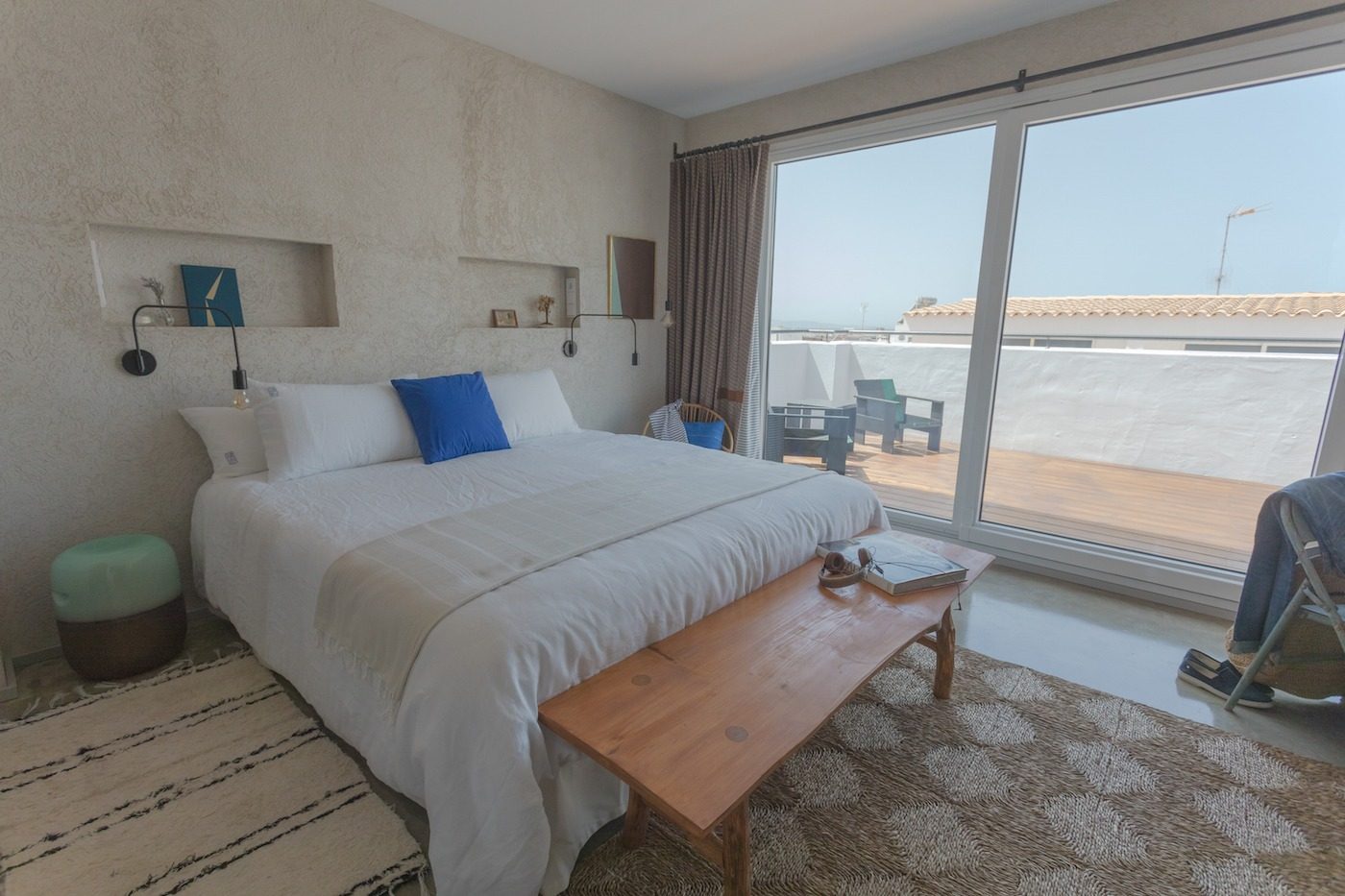
A modern hotel featuring a minimalist design, a rooftop terrace with views of the old town, and a quiet courtyard.
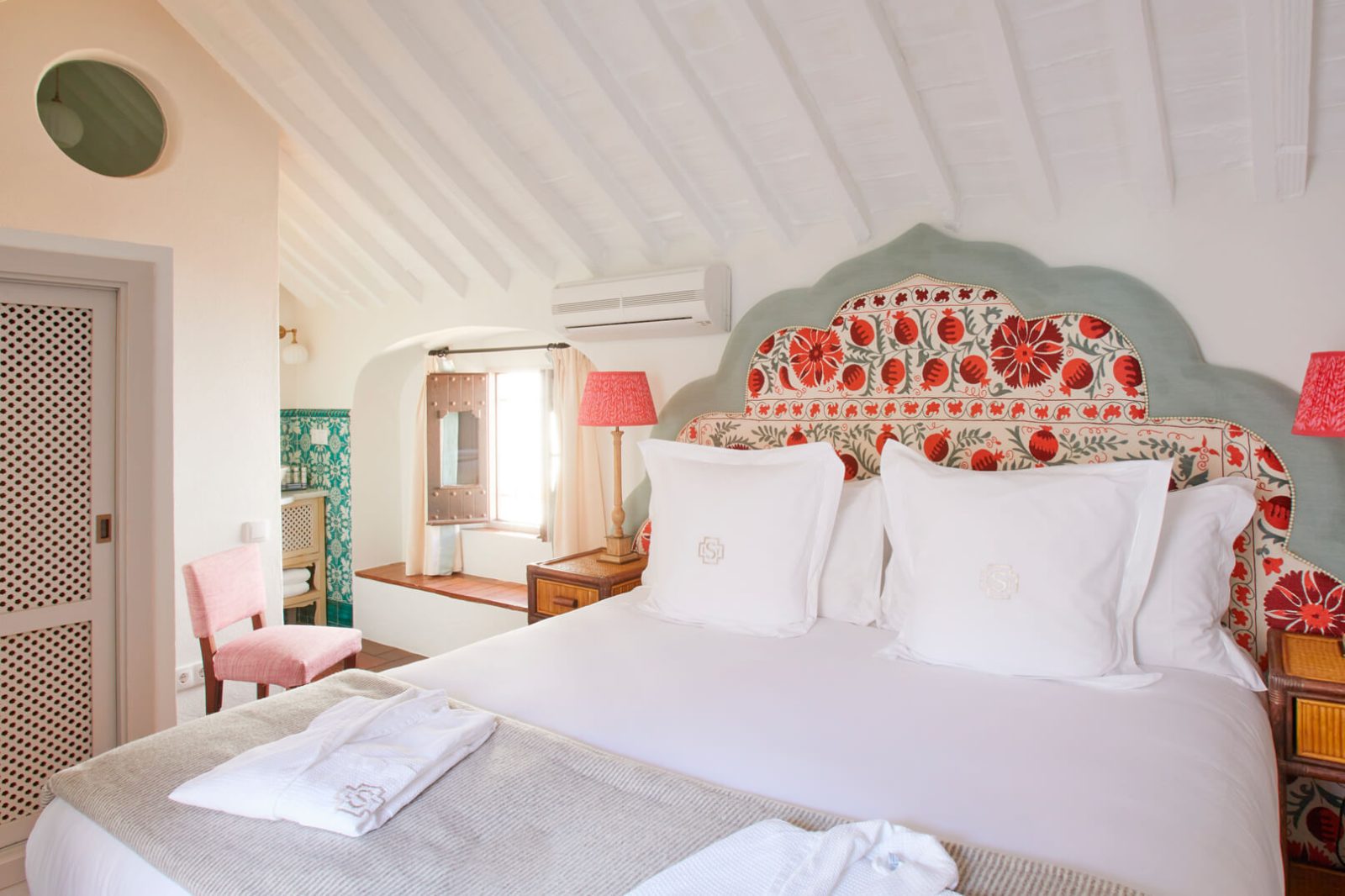
Housed in a restored 17th-century building, this property offers traditional Andalusian decor, exposed wooden beams, and an on-site art gallery.
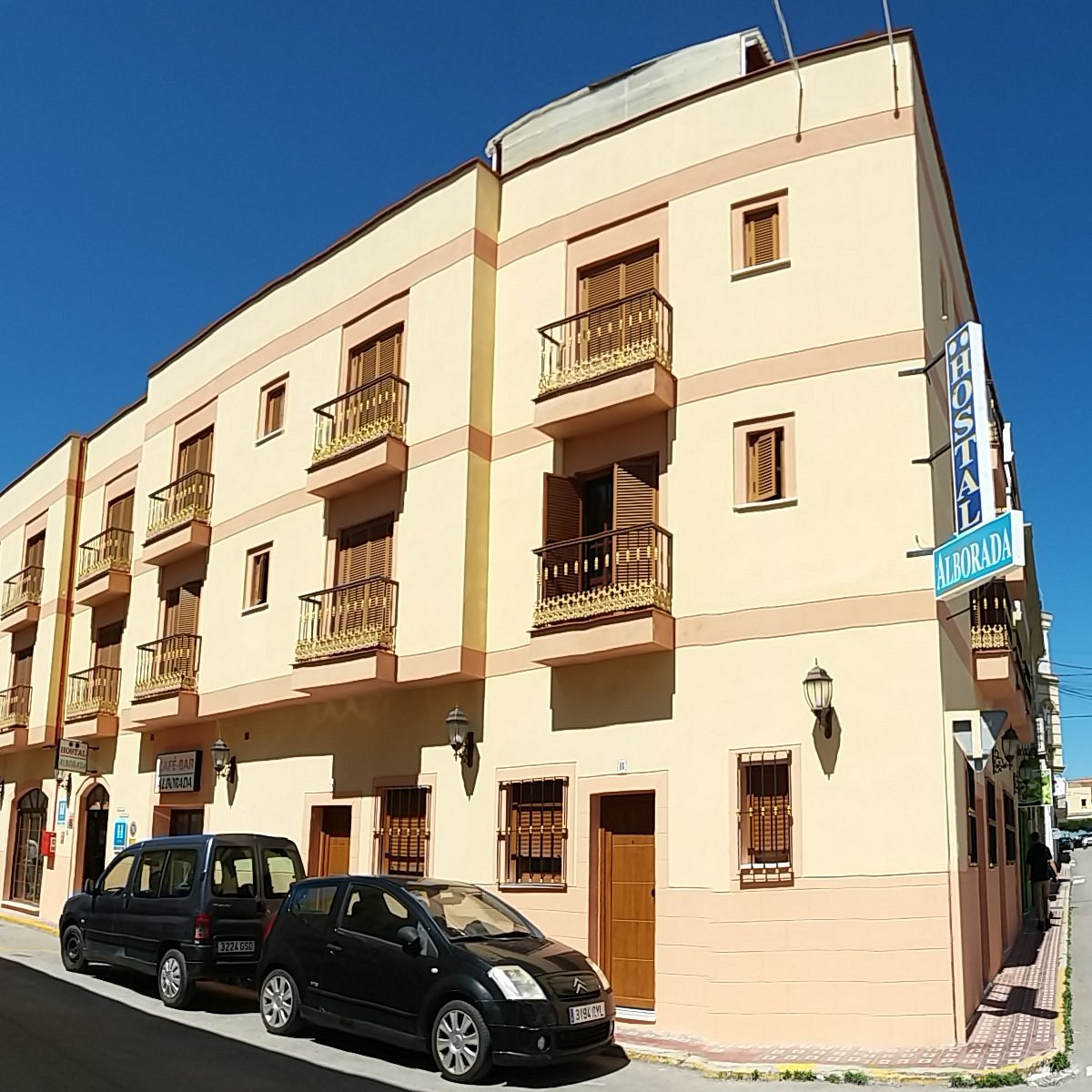
A simple guest house offering clean rooms, private bathrooms, and a central location near the historic walls of the town.
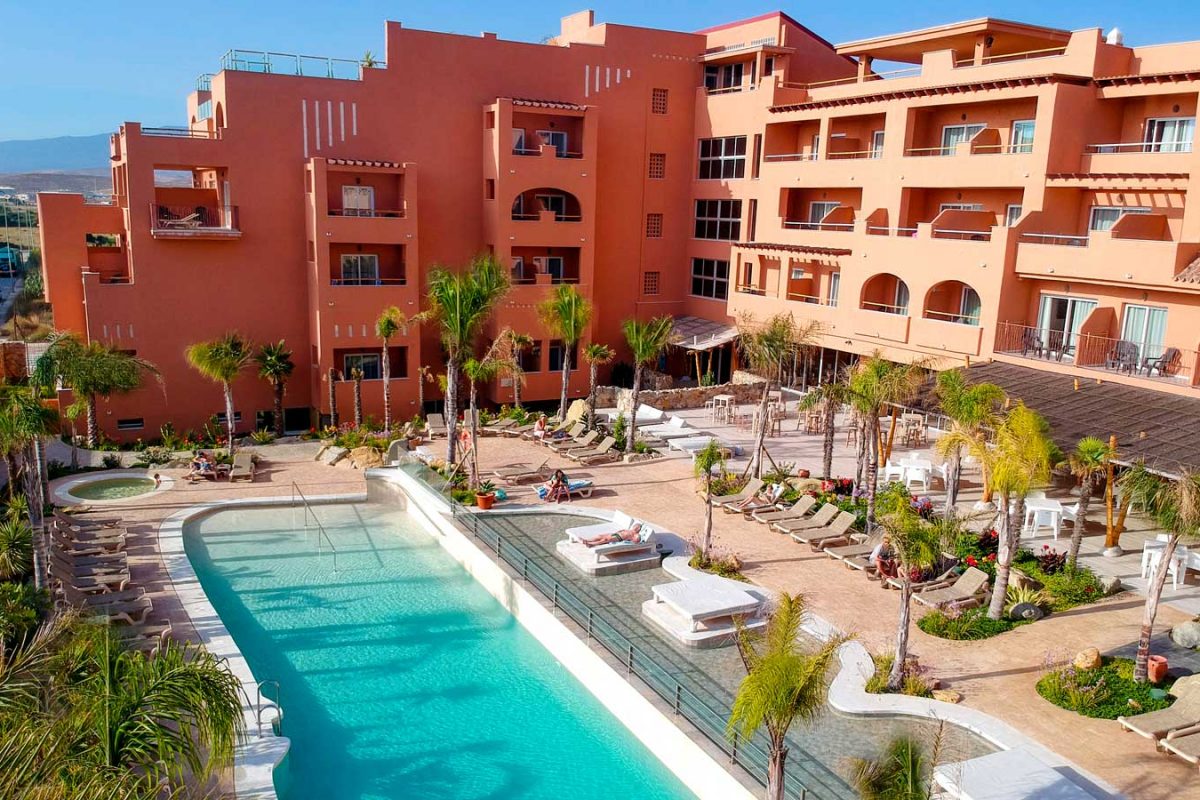
A larger modern hotel offering outdoor swimming pools, spa facilities, and close proximity to the windsurfing beaches.
Join thousands of happy travelers who have discovered this incredible experience
Book Your Experience Now