English| EUR
Suggested for you
More currencies
Book Now
Open today · 10:00 – 20:00

Tarifa Whale and Dolphin Watching

Tarifa Whale and Dolphin Watching Across the Strait of Gibraltar

Where two seas collide, fins break the morning water.

50K+ travelers chose this
Free Cancellation
Right now: Heavy — summer peak season Easterly Levante winds may cause sudden tour cancellations.
Free Cancellation
Free cancellation Instant confirmation Mobile voucher Verified partner Book now, pay later
99%
Cetacean sighting rate
On typical excursions
7
Cetacean species present
Resident and migratory types
14 km
Minimum strait width
Separating Europe from Africa
2 hours
Standard trip duration
Optimized for animal sightings
50 EUR
Standard ticket price
For standard adult tours
Choose your ticket

Tarifa Whale and Dolphin Watching tickets at a glance

Compare fares, pick the fit — all bookings are mobile-voucher and eligible for free cancellation where shown.

Strait of Gibraltar Whale and Dolphin Watching Cruise from Tarifa 3 hr
Standard Entry

Strait of Gibraltar Whale and Dolphin Watching Cruise from Tarifa

4.3 (230)
€70
  • Entry ticket
  • Mobile voucher
  • Valid same day
  • Free cancellation
Book this ticket
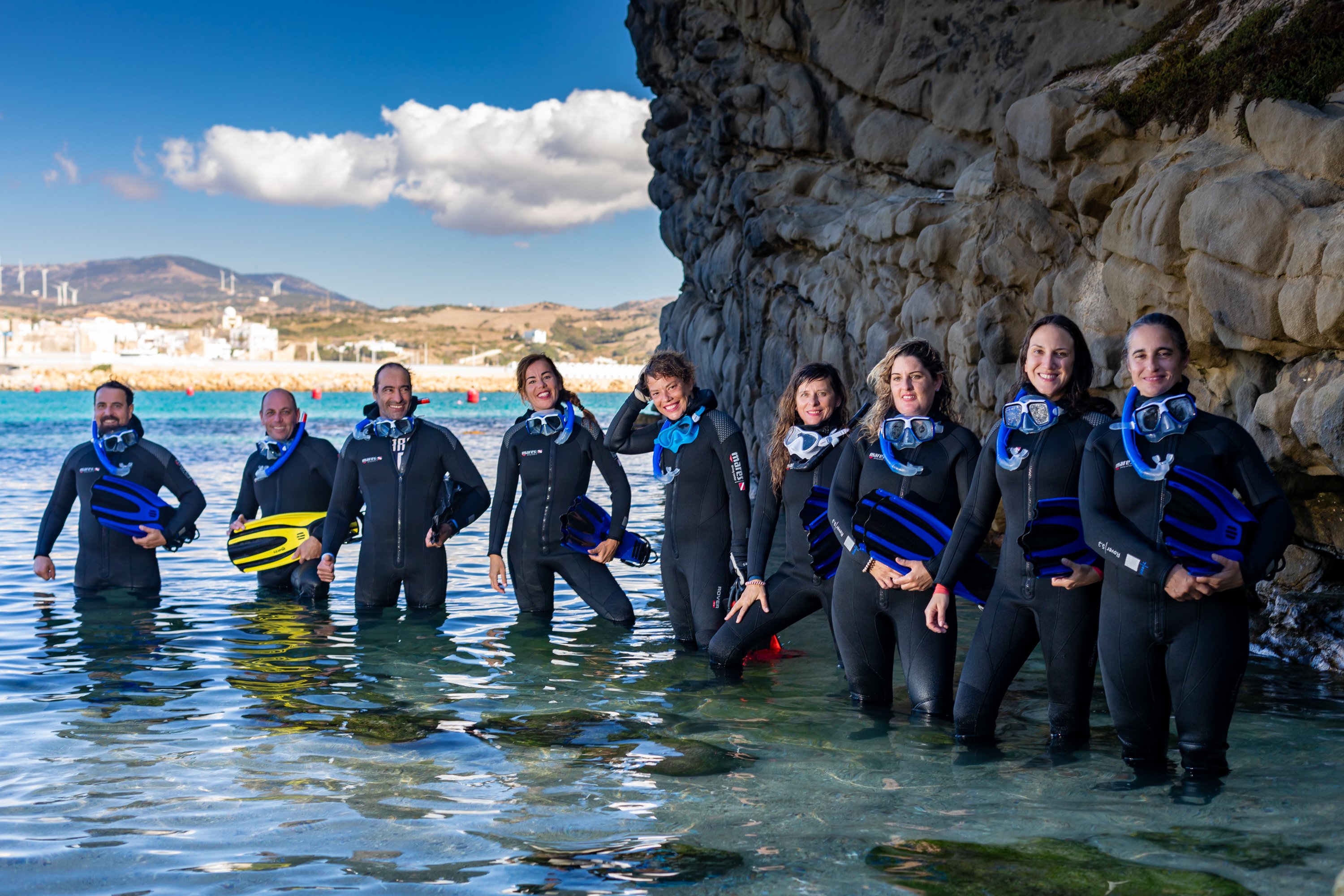
Strait Natural Park Guided Snorkeling Tour in Tarifa 1 hr 30 min
Standard Entry

Strait Natural Park Guided Snorkeling Tour in Tarifa

4.8 (204)
€50
  • Entry ticket
  • Mobile voucher
  • Valid same day
  • Free cancellation
Book this ticket
Compare options

Choosing Your Tarifa Whale and Dolphin Watching Ticket

If you want to experience tarifa whale and dolphin watching, choosing the right excursion is key. A Strait of Gibraltar whale watching trip offers a look at diverse marine mammals. Booking your tarifa whale and dolphin watching tickets online is the best way to secure your spot. Make sure to arrive early. Most first-time visitors opt for a standard tarifa whale and dolphin watching tour to see resident species.

Top pick
2-Hour Excursion Resident Cetaceans
3-Hour Excursion Seasonal Orcas
Ticket Price 70 EUR
Duration 3 hours
Primary Target Species Orcas and dolphins
Peak Months July and August
Success Guarantee 30% discount if no orcas seen
Best for Wildlife enthusiasts

Verdict: Select the specialized option if you want to join targeted tarifa whale and dolphin watching tours during the summer migration.

Is Tarifa Whale and Dolphin Watching Worth the Cost?

Worth it for most cetacean-focused day-trippers

At 50 EUR for the standard two-hour excursion, tarifa whale and dolphin watching earns its price on the strength of a 95% sighting rate across the Strait of Gibraltar. That fee buys more than a boat seat: an onboard marine biologist narrates the pilot whale pods, striped dolphins, and seasonal orcas, so you leave understanding the migration corridor rather than just photographing it. Compared to the sailboat snorkeling cruise or the Tangier ferry day trip on the grid, the dedicated dolphin and whale watching tour is the tightest value if wildlife is your actual goal. It pays off for first-timers, photographers, and families who want education alongside sightings. Casual browsers hoping for guaranteed close-ups every trip should temper expectations, since animals roam free. For anyone crossing Tarifa specifically to see both species in one outing, the math holds.

What makes it worth it

  • 95% sighting rate across the Strait
  • Onboard marine biologist explains species
  • 50 EUR covers a two-hour trip
  • Both dolphins and whales on one cruise
  • Small-group focus on wildlife, not extras

Keep in mind

  • Sightings never fully guaranteed on any trip
  • Open boat means weather-dependent conditions
  • Two hours feels short for some
  • Popular slots book out fast

Bottom line: If spotting both species is the point, the tarifa whale and dolphin watching tickets are money well spent.

Head to head

Tarifa Whale and Dolphin Watching vs Gibraltar Dolphin Safari — Which Is Better?

They complement each other; most visitors who do both call the tarifa whale and dolphin watching tour from Spain the more diverse experience. Opting for whale watching in the Strait of Gibraltar allows you to see giant mammals, whereas Gibraltar's local tours focus strictly on dolphins.

Top pick
Tarifa Tour
Gibraltar Safari
Primary wildlife Resident dolphins only
Tour duration 1 to 1.25 hours
Adult ticket price £28 (summer)
Departure port Ocean Village Marina
Sighting guarantee Free repeat tour
Species variety 3 dolphin species
Sea conditions Sheltered, calmer bay water

Verdict: Overall, purchasing tarifa whale and dolphin watching tickets is the best option for deep-water cetacean variety, especially when booking the longer tarifa whale and dolphin watching tours.

Featured Experiences

Popular Tarifa Whale and Dolphin Watching tours & activities

Hand-picked experiences loved by thousands of travelers

Recommended Experience

Powered by GetYourGuide

Another traveler favorite

Powered by GetYourGuide
Tarifa Sailboat Cruise with Snorkeling & Tapas 3 hours Free Cancellation

Tarifa Sailboat Cruise with Snorkeling & Tapas

Sail the Strait of Gibraltar, steer the boat with Captain Fernando, and enjoy fresh tapas.

5 (79)
FromFrom €95
See details
Tangier Day Trip from Tarifa with Ferry, Medina Guided Tour & Moroccan Lunch 9 hours Free Cancellation

Tangier Day Trip from Tarifa with Ferry, Medina Guided Tour & Moroccan Lunch

Cross the strait for a guided journey through Tangier's historic Medina, Cape Spartel, and a local lunch.

4.3 (1072)
FromFrom $102.83
See details
From Spain: Private Tangier Day Trip with Ferry Crossing 7 hours Free Cancellation

From Spain: Private Tangier Day Trip with Ferry Crossing

Cross the strait from southern Spain for a customizable private tour of Tangier's iconic medina and scenic coastline.

4.9 (66)
FromFrom $200.97
See details
Day Trip to Tangier from Seville with Local Guide and Lunch 15 hours Free Cancellation

Day Trip to Tangier from Seville with Local Guide and Lunch

Cross the Strait of Gibraltar on a fast ferry to explore Tangier's historic Medina, Cap Spartel, and the Caves of Hercules.

4.3 (400)
FromFrom €219
See details
Full-Day Tangier Excursion from Tarifa by Fast Ferry 9 hours Free Cancellation

Full-Day Tangier Excursion from Tarifa by Fast Ferry

Cross the Strait of Gibraltar for a guided tour of Tangier, featuring a traditional lunch and vibrant souks.

3.9 (230)
FromFrom €89
See details
Tarifa Dolphin Watching & Coastal Day Trip from Cádiz 13 hours Free Cancellation

Tarifa Dolphin Watching & Coastal Day Trip from Cádiz

Search for dolphins in the Strait of Gibraltar and enjoy leisure time exploring historic Tarifa.

4.1 (7)
FromFrom €89
See details
Tarifa Dolphin Watching & Beach Day Trip from Seville 1 day Free Cancellation

Tarifa Dolphin Watching & Beach Day Trip from Seville

Search for marine life in the Strait of Gibraltar and enjoy free time on Tarifa's beaches on this day trip from Seville.

3.6 (4)
FromFrom €50
See details
All-Inclusive Group Surf Class in Tarifa 2 hours Free Cancellation

All-Inclusive Group Surf Class in Tarifa

Ride the Atlantic waves of Tarifa with expert instructors in a fun, all-inclusive group surf lesson.

5 (1)
FromFrom €60
See details
Your journey

Your Tarifa Whale and Dolphin Watching day, step by step

1
Check-in at Office

Check-in at Office

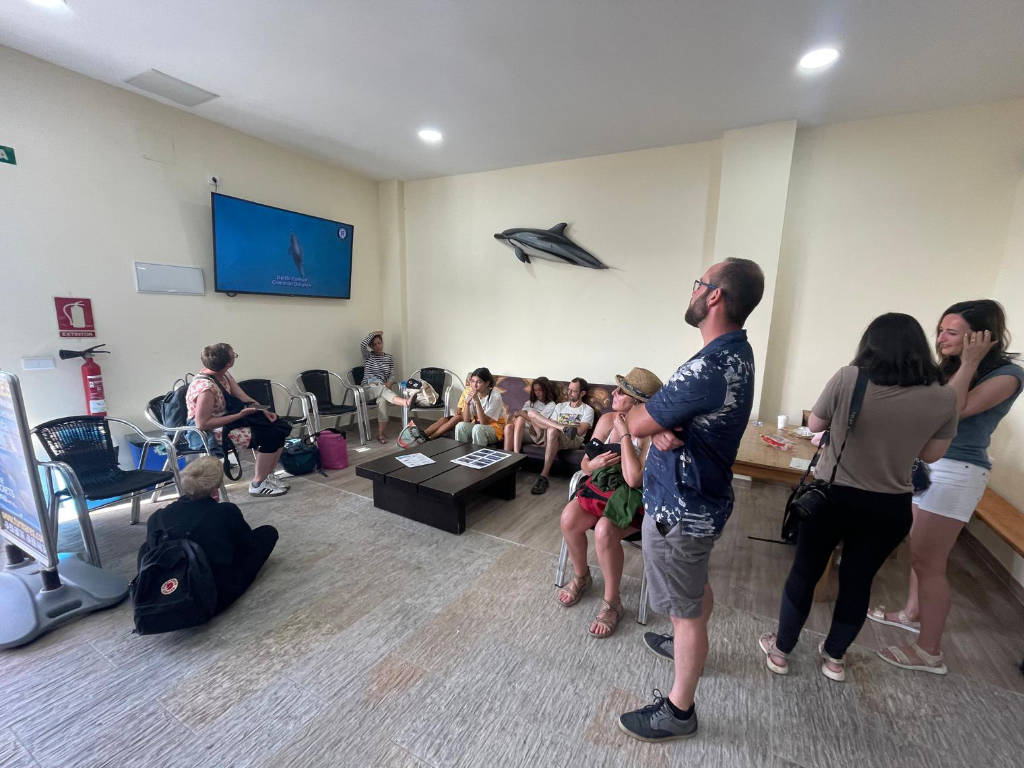
Arrive at the ticket office on Calle Alcalde Juan Núñez to present your voucher and complete a quick safety registration for your Tarifa cetacean excursion.

2
Boarding the Vessel

Boarding the Vessel

Walk to the designated dock and board the passenger boat under the guidance of the crew.

3
Strait Navigation

Strait Navigation

Sail into the UNESCO biosphere reserve to locate resident species like pilot whales and dolphins with the help of marine biologists.

4
Return to Port

Return to Port

Head back to the Tarifa harbor while enjoying panoramic views of the Spanish and Moroccan coastlines.

What you'll see

What you'll see at Tarifa Whale and Dolphin Watching

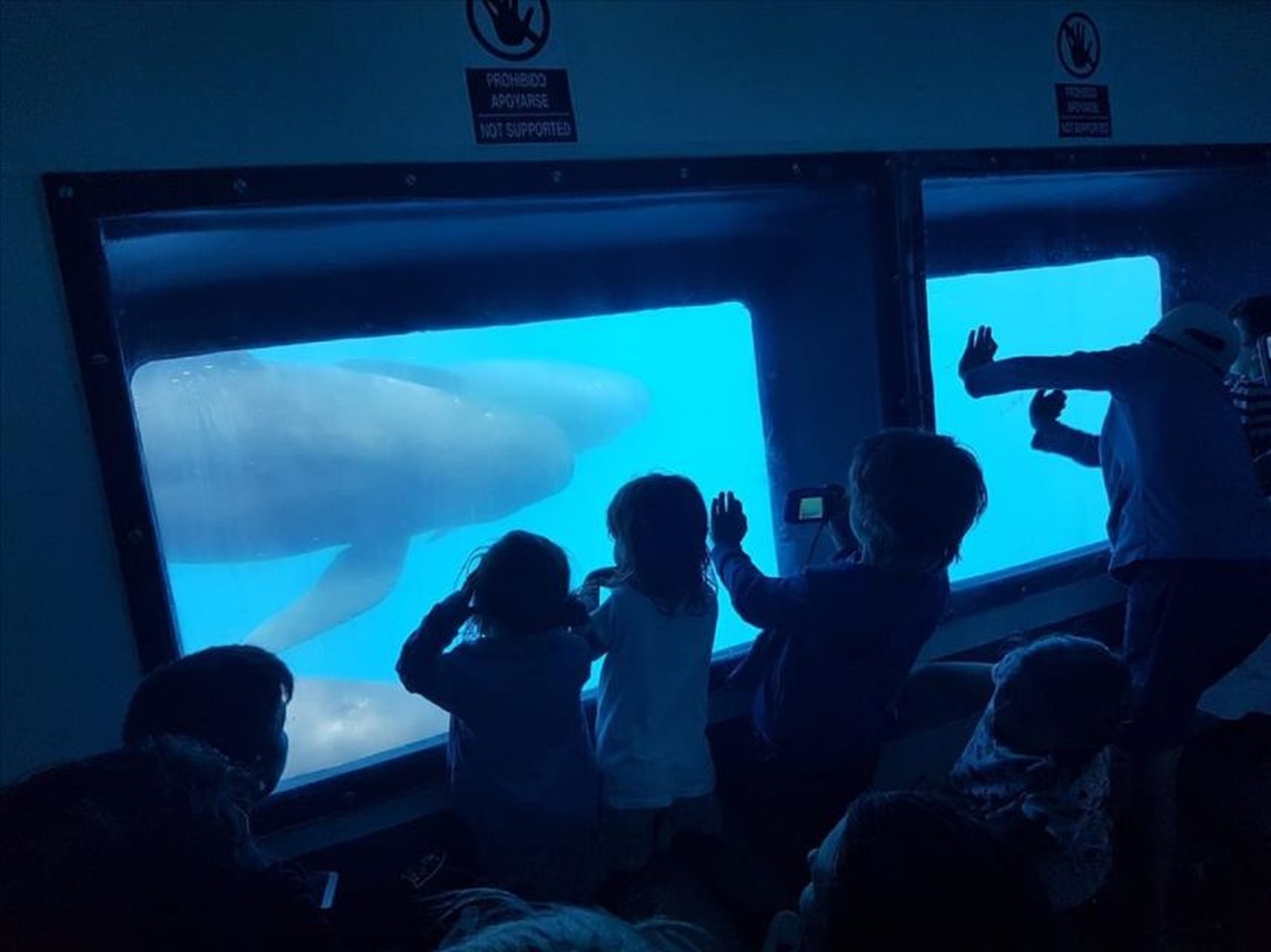
Vessel Glass Bottom

Vessel Glass Bottom

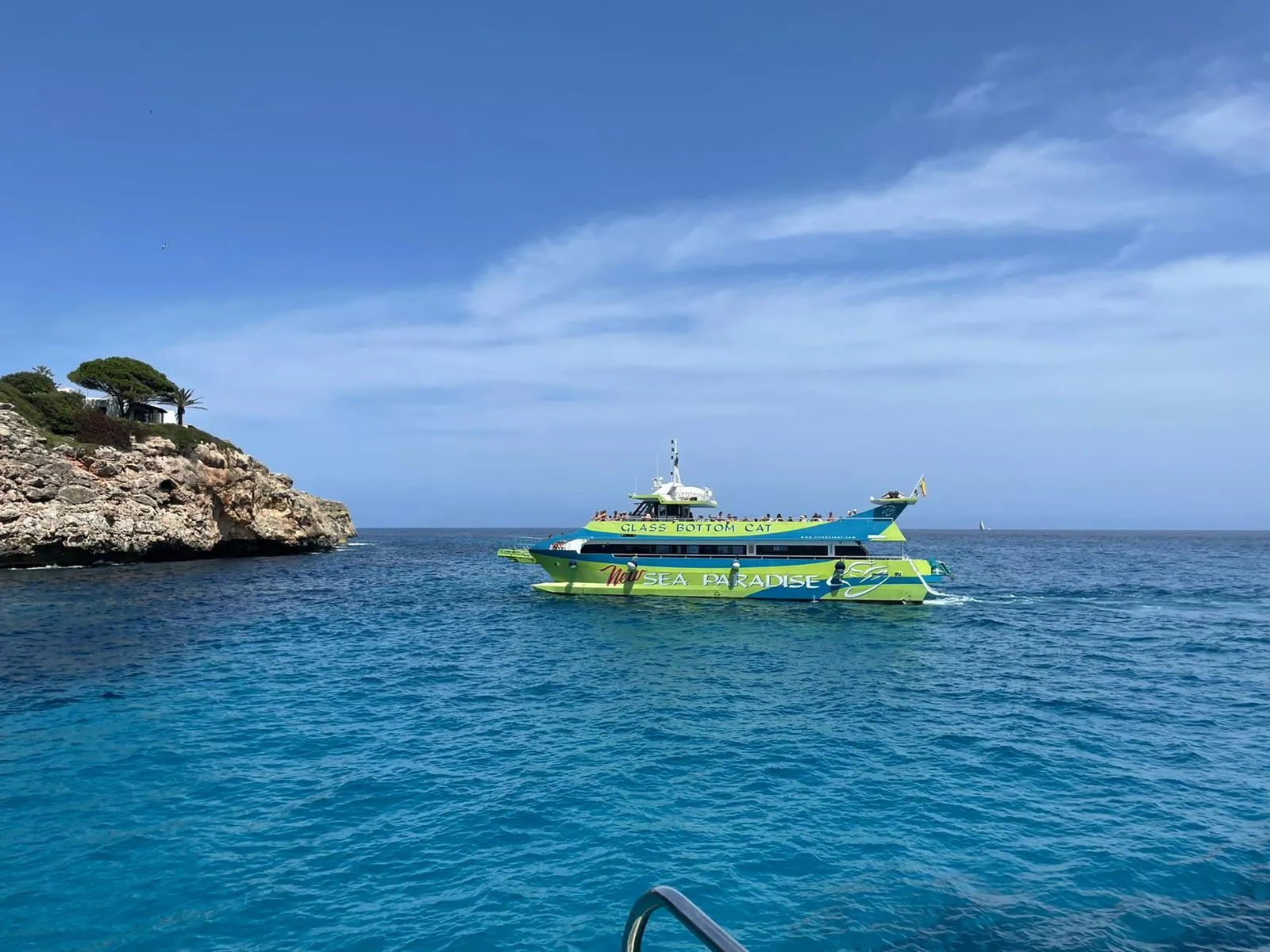
Some specialized catamaran vessels feature underwater glass viewing panels. Visitors can look down to watch common dolphins swimming in the pressure wave directly beneath the hull, just 1 meter below the surface.

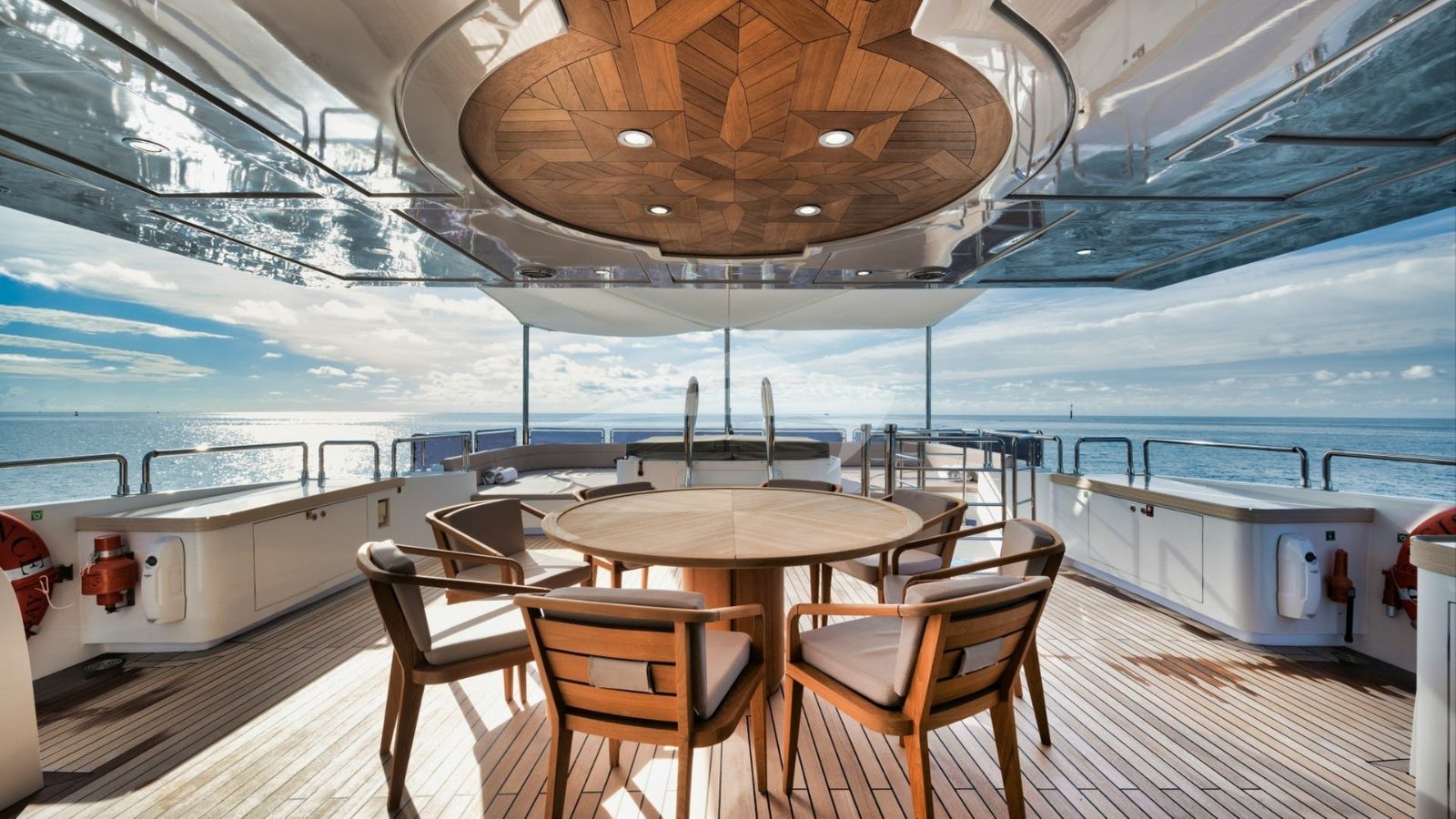
Upper Observation Deck

Upper Observation Deck

This elevated open-air platform provides a 360-degree view of the horizon. It is the best spot for tracking the dorsal fin of pilot whales, which can grow up to 6 meters in length.

Strait Deep Water Trench

Strait Deep Water Trench

Reaching depths of over 900 meters, this submarine valley is the primary feeding ground for sperm whales. Giant squid inhabit these depths, drawing deep-diving cetaceans to the area.

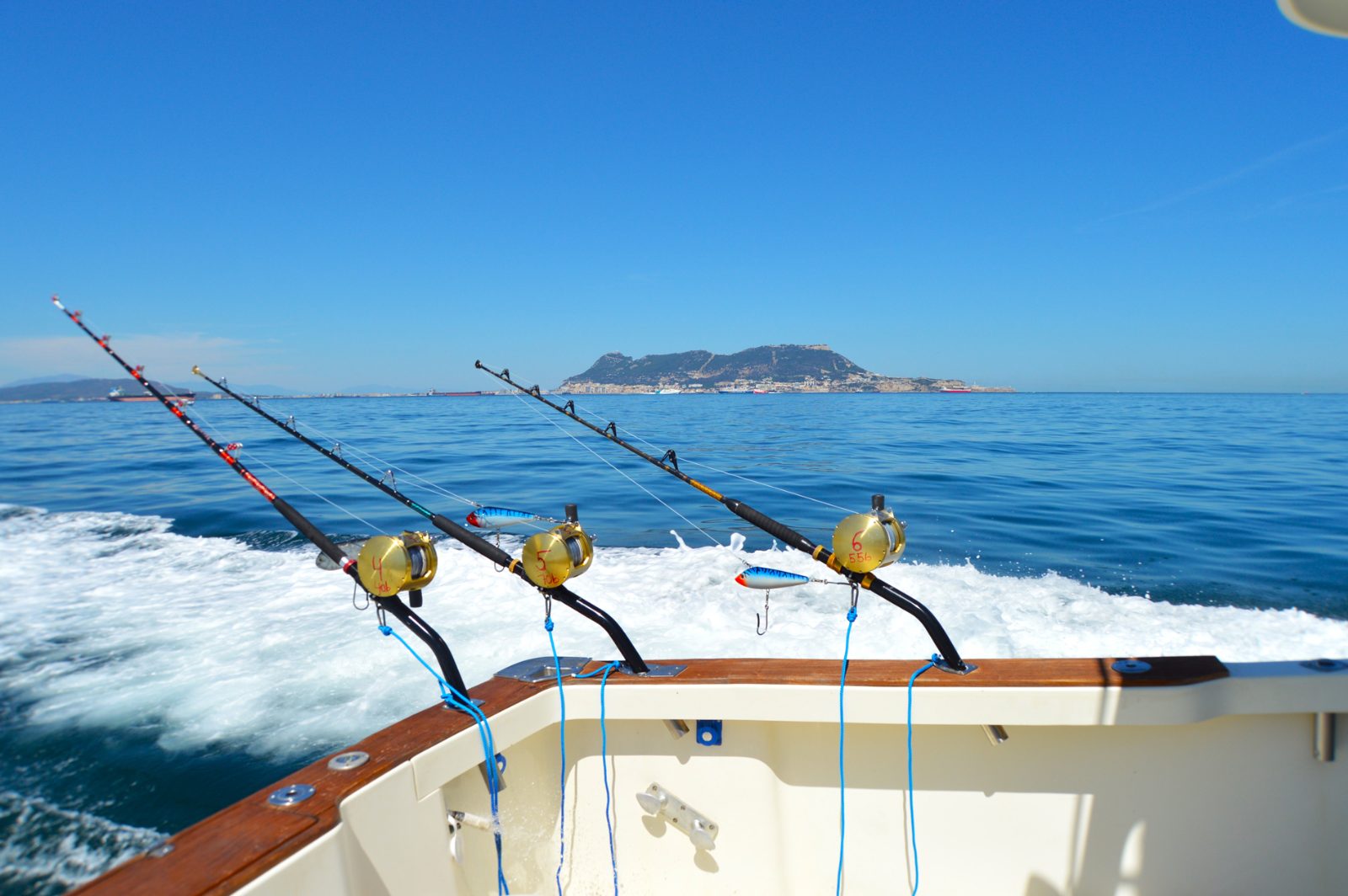
Artisanal Fishing Zone

Artisanal Fishing Zone

This specific marine zone near the Moroccan border is where local fishermen line-fish for bluefin tuna. Killer whales frequently gather here during the summer months to intercept the catch, sometimes stealing up to 50 percent of the hooked tuna.

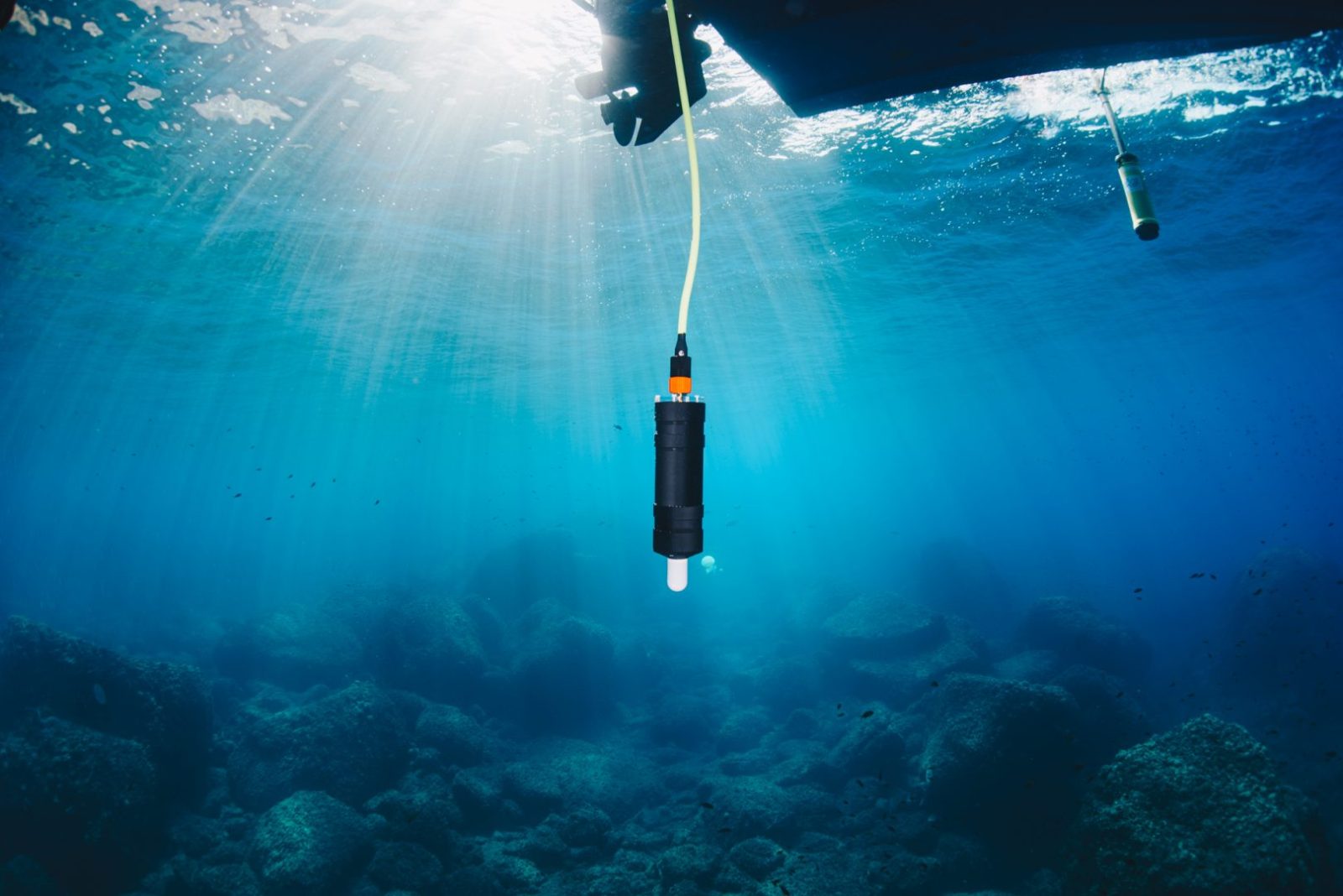
Hydrophone Listening Station

Hydrophone Listening Station

The vessel's acoustic monitoring setup allows researchers to lower a hydrophone into the water. Passengers can hear the distinct echolocation clicks and whistles of striped dolphins, which communicate at frequencies up to 150 kilohertz.

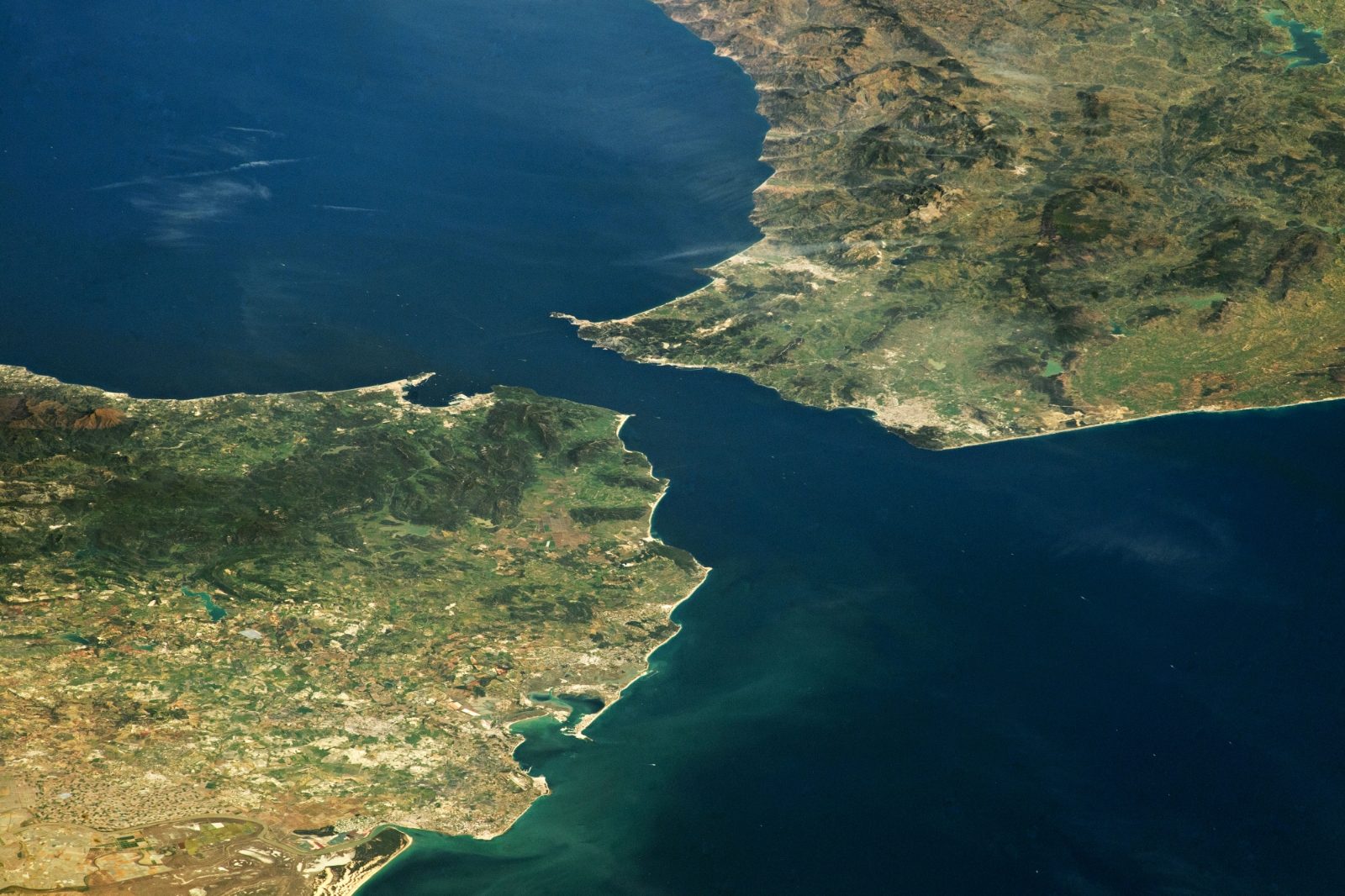
The Meeting of Two Seas

The Meeting of Two Seas

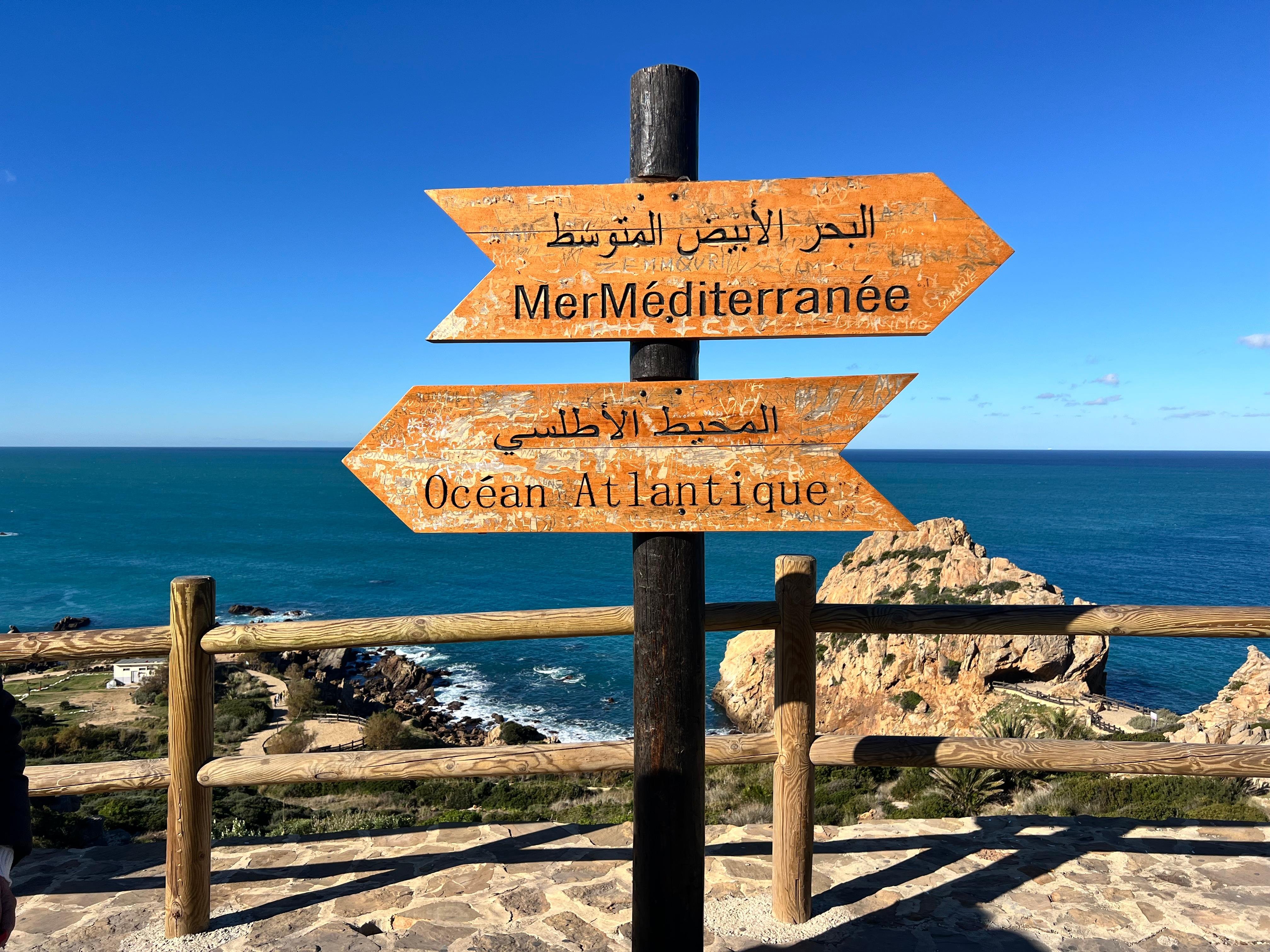
This geographical boundary is where the Atlantic Ocean and the Mediterranean Sea collide. The strong counter-currents create a nutrient-rich upwelling that feeds the local marine food chain, attracting over 7 species of resident and migratory cetaceans.

The experience

What visiting Tarifa Whale and Dolphin Watching is really like

You start on land, at the small booking office on Calle Alcalde Juan Núñez, where the crew check your name and point you down toward the harbour. You walk to the quay, step aboard, and take a seat along the rail as the engines push the boat past the breakwater.

Read more Show less

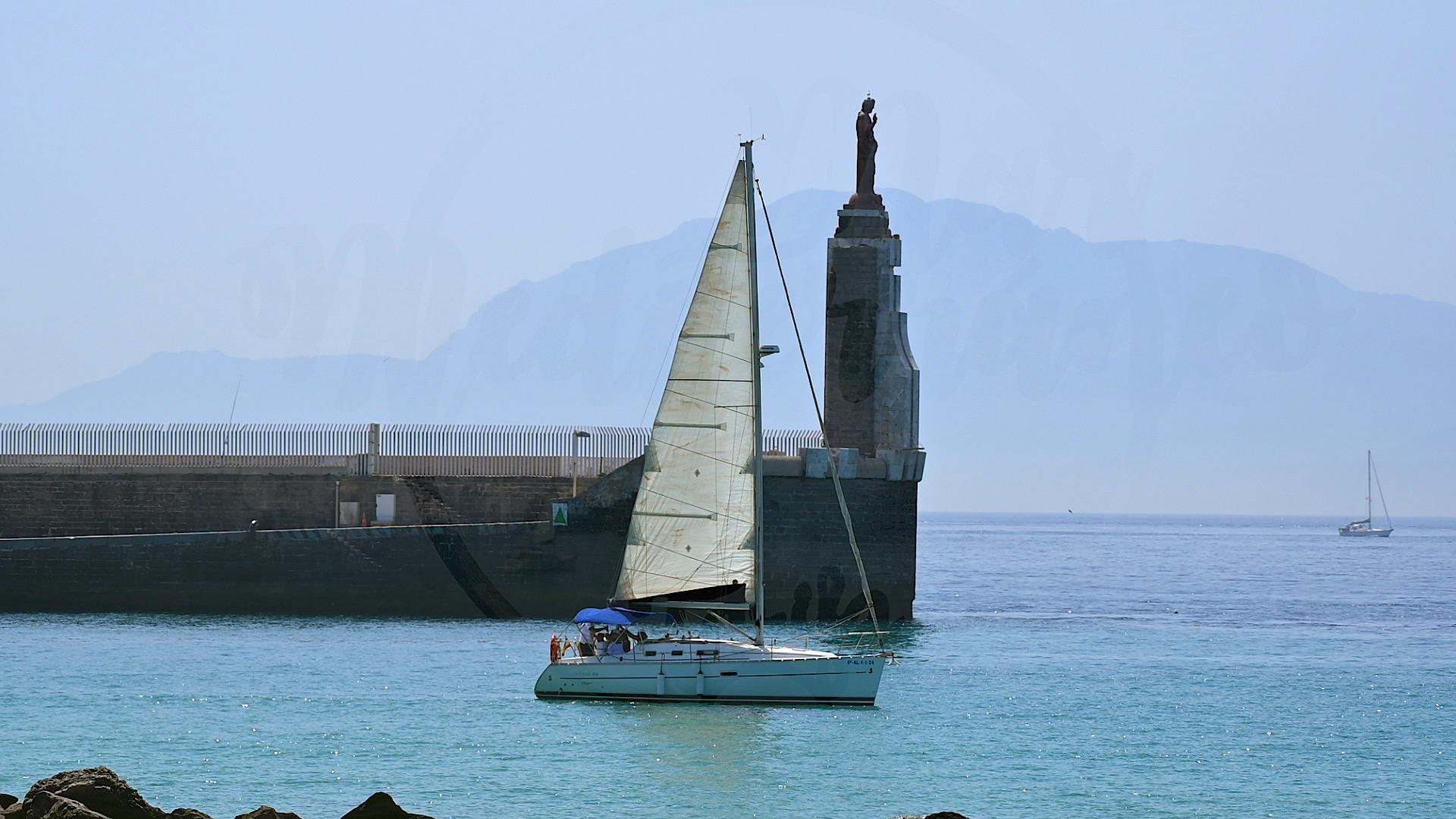
Behind you the old town and its castle shrink; ahead, the open channel widens toward Africa.

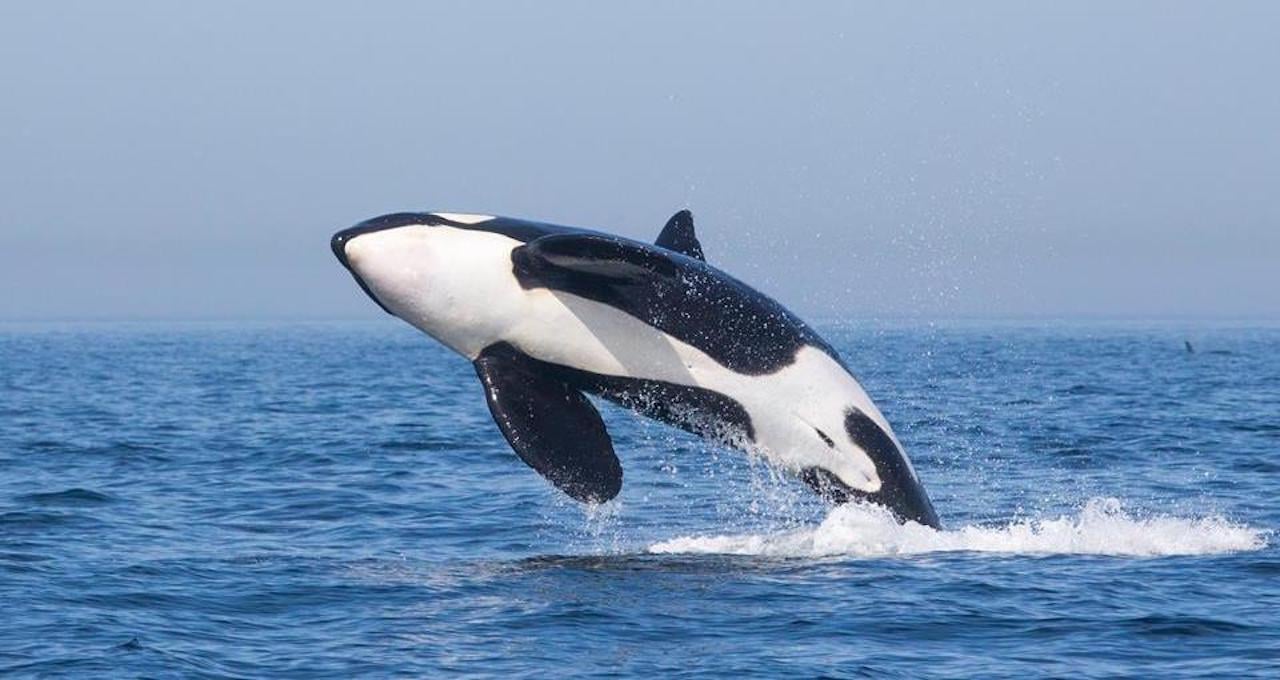
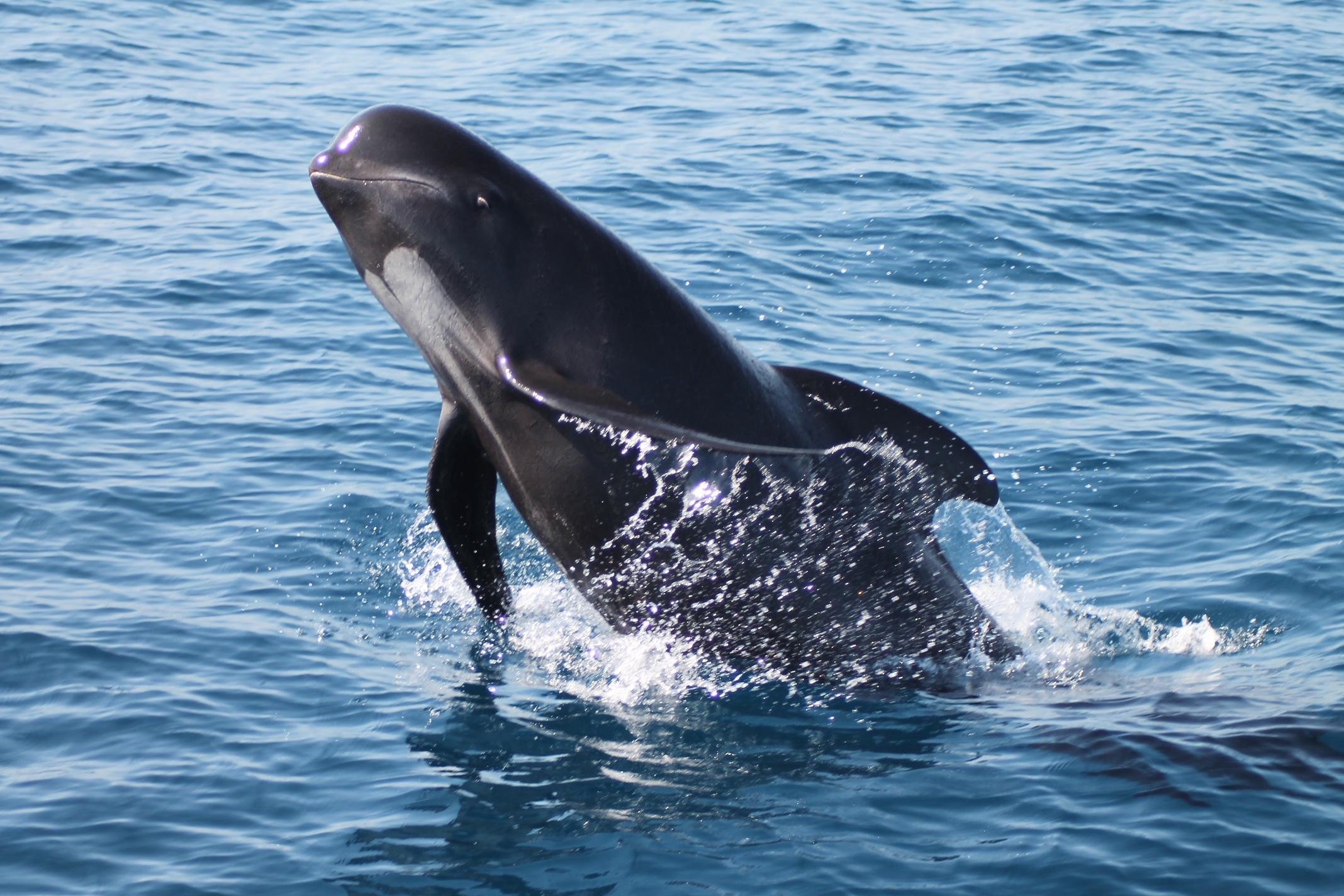
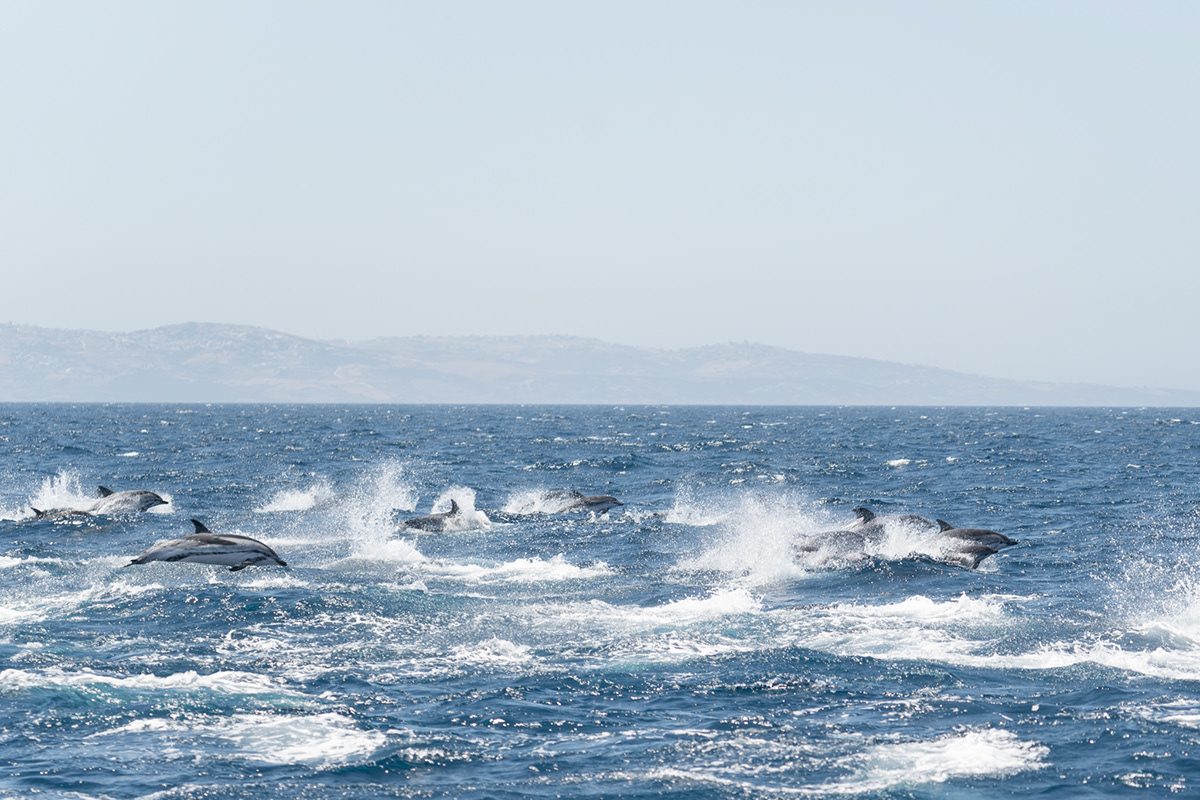
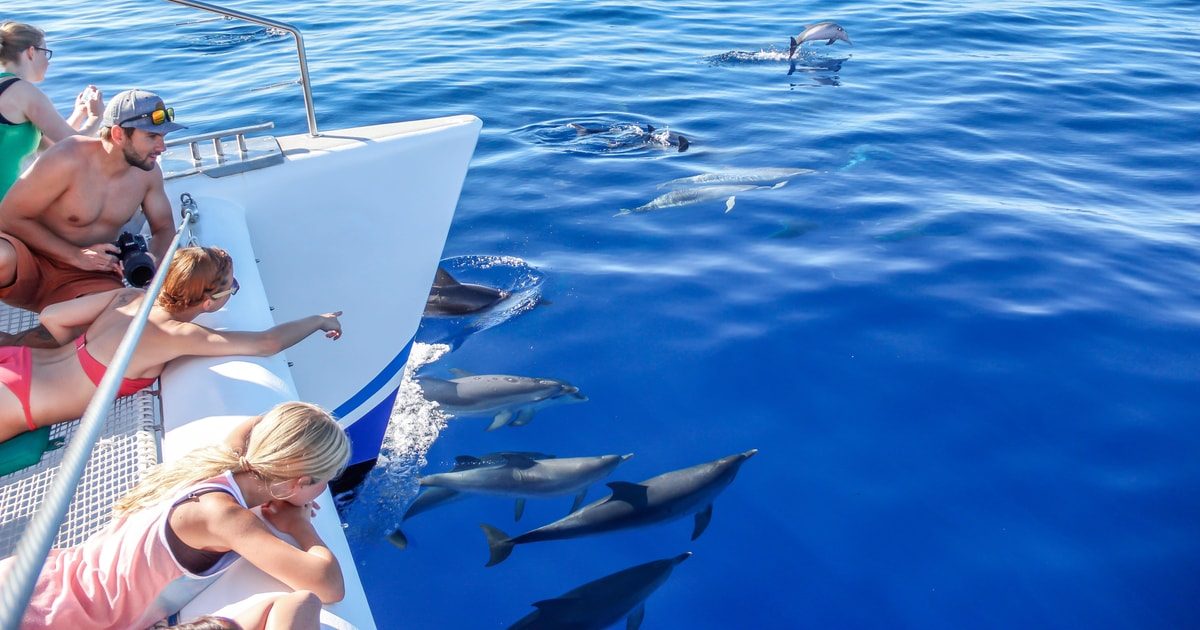
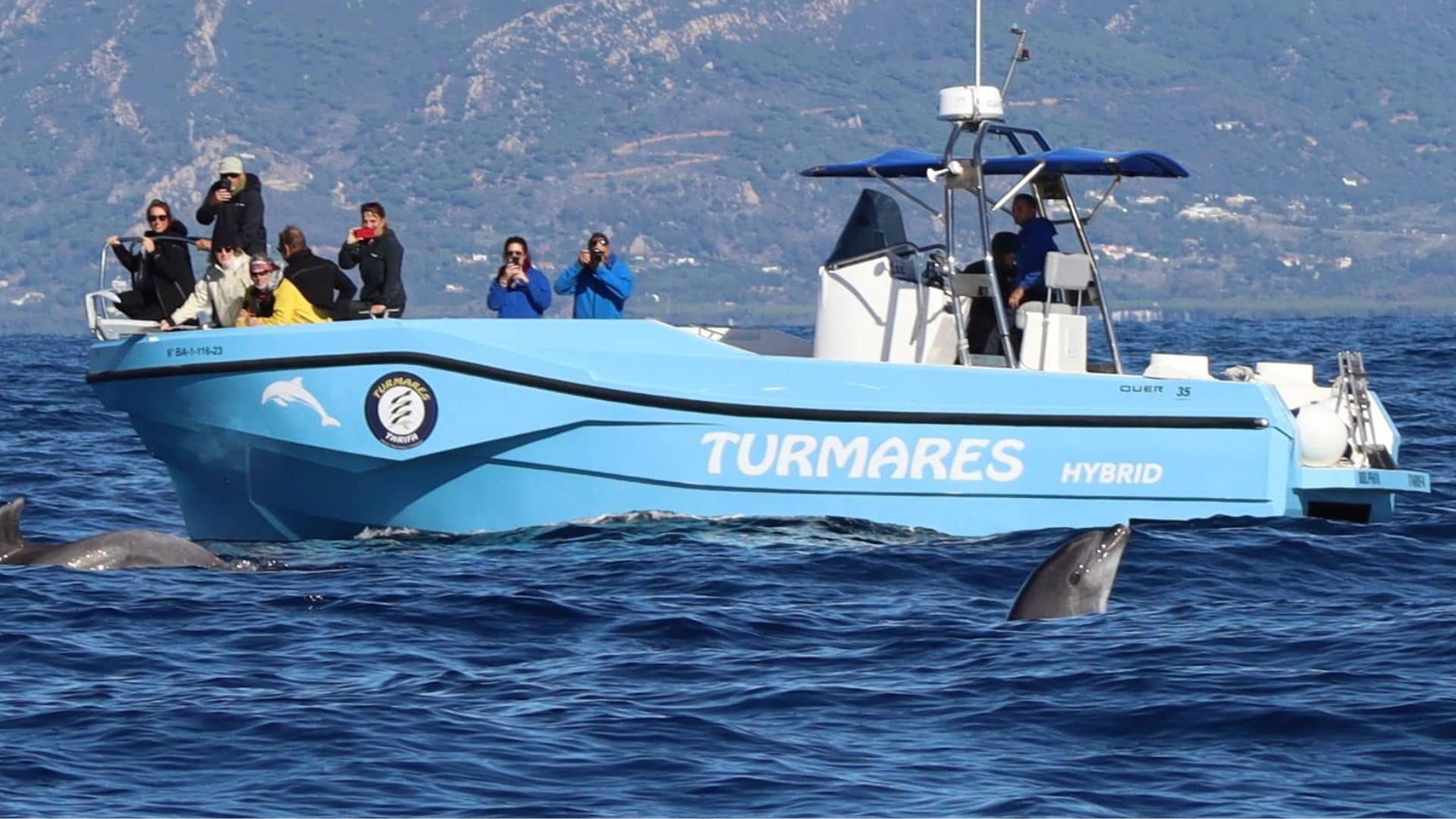
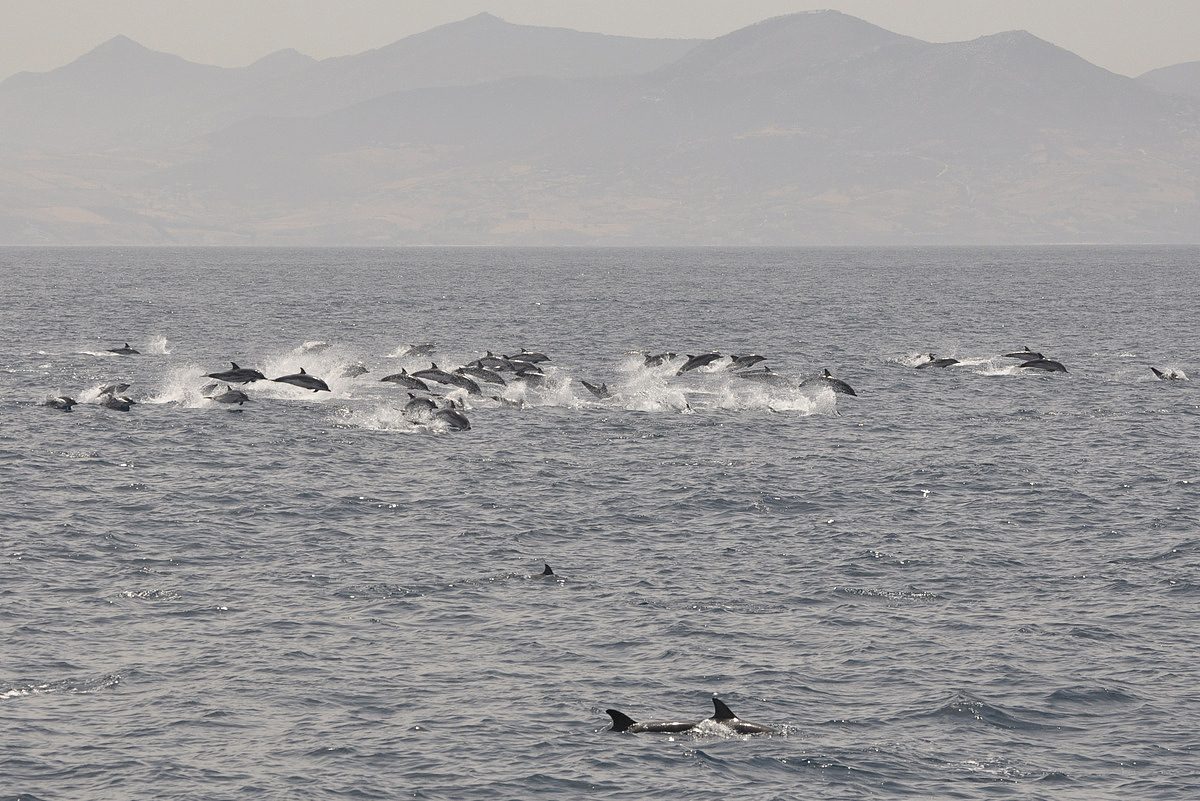
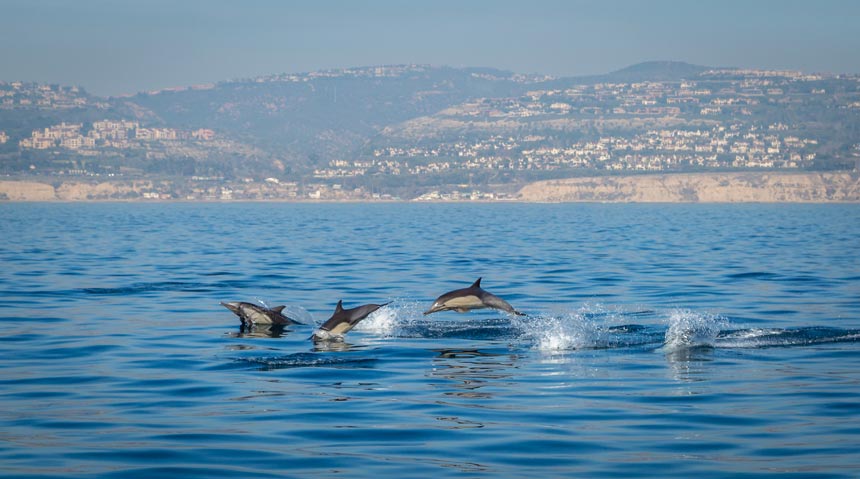
You settle in while a marine biologist scans the surface and calls directions over the tannoy. You learn to read the water — a dark ripple, a curved fin, the soft puff of a blow catching the light. When bottlenose dolphins ride the bow wave, you lean over the side and watch them roll beneath the hull. Later a pod of pilot whales surfaces slowly to starboard, and you hold still as the skipper cuts the motor and lets the cruise drift.

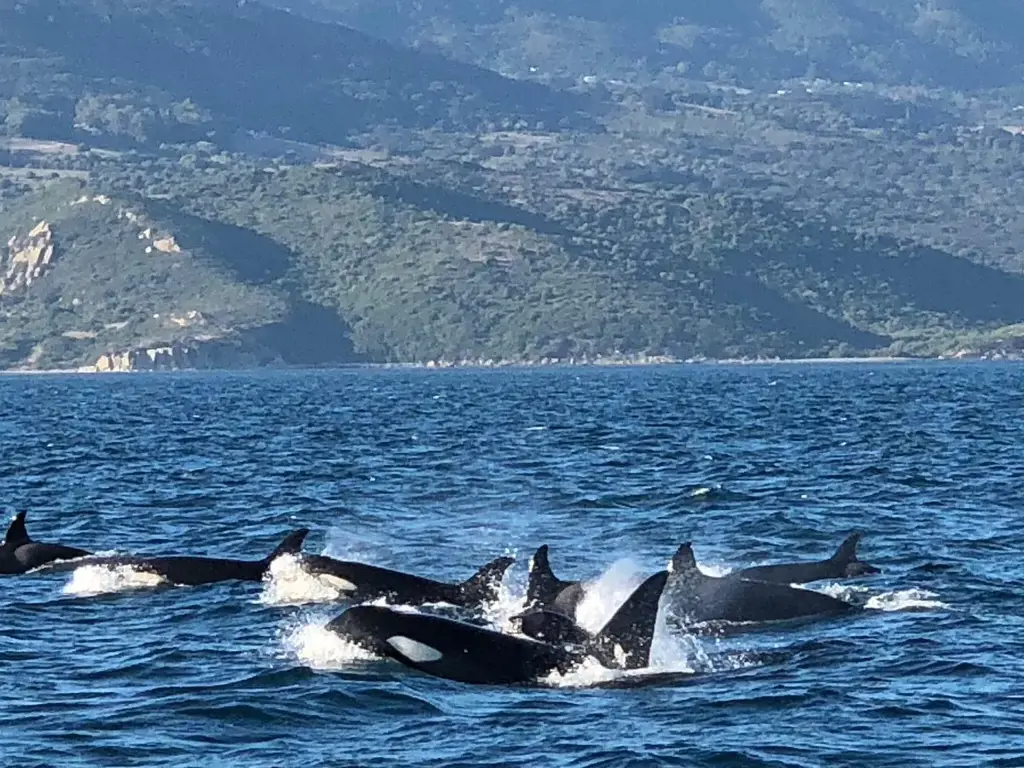
You keep your eyes on the horizon for the tall black dorsal of an orca, the sighting everyone hopes for in summer. You feel the swell where the Atlantic meets the Mediterranean, taste the spray, and see the coast of Morocco sharp across the water. When the boat finally turns back for Tarifa, you carry the tally in your head, already glad you reserved your Tarifa whale and dolphin watching tickets for a calm morning departure.

Tarifa Whale and Dolphin Watching
Everything You Need to Know

Your complete Tarifa Whale and Dolphin Watching guide

All the details about your upcoming adventure in one place

At its narrowest, the Strait of Gibraltar measures barely fourteen kilometres, yet more than seven species of cetacean pass through this corridor each year.

It is the only marine gateway between the Atlantic Ocean and the Mediterranean Sea, and the collision of those waters drives strong currents and nutrient-rich upwellings. Those conditions feed dolphins, pilot whales, sperm whales and, in the warm weeks of summer, orcas. Tarifa whale and dolphin watching begins at the southernmost tip of continental Europe, where Punta de Tarifa points toward a Moroccan coast just fourteen kilometres across the channel.

The town has watched this traffic for centuries. Fishing fleets once tracked the same bluefin tuna that orcas hunt today, following the great fish between ocean and sea. Roman salting works at nearby Baelo Claudia processed those catches two thousand years ago, and the almadraba nets still set each spring belong to the same tradition. A Tarifa whale and dolphin watching tour follows that ancient line of pursuit, though hydrophones and cameras have replaced the harpoon, and the animals are now counted rather than caught.

Resident populations give the water its character. Common, striped and bottlenose dolphins live here year-round, while long-finned pilot whales gather in stable family pods. Sperm whales pass along deeper routes, and fin whales, the second-largest animal on Earth, cross during their spring and autumn migrations. The orcas arrive in July and August, timed to the tuna run, and Tarifa whale and dolphin watching tours in late summer stand the strongest chance of watching them work the current close to the boat.

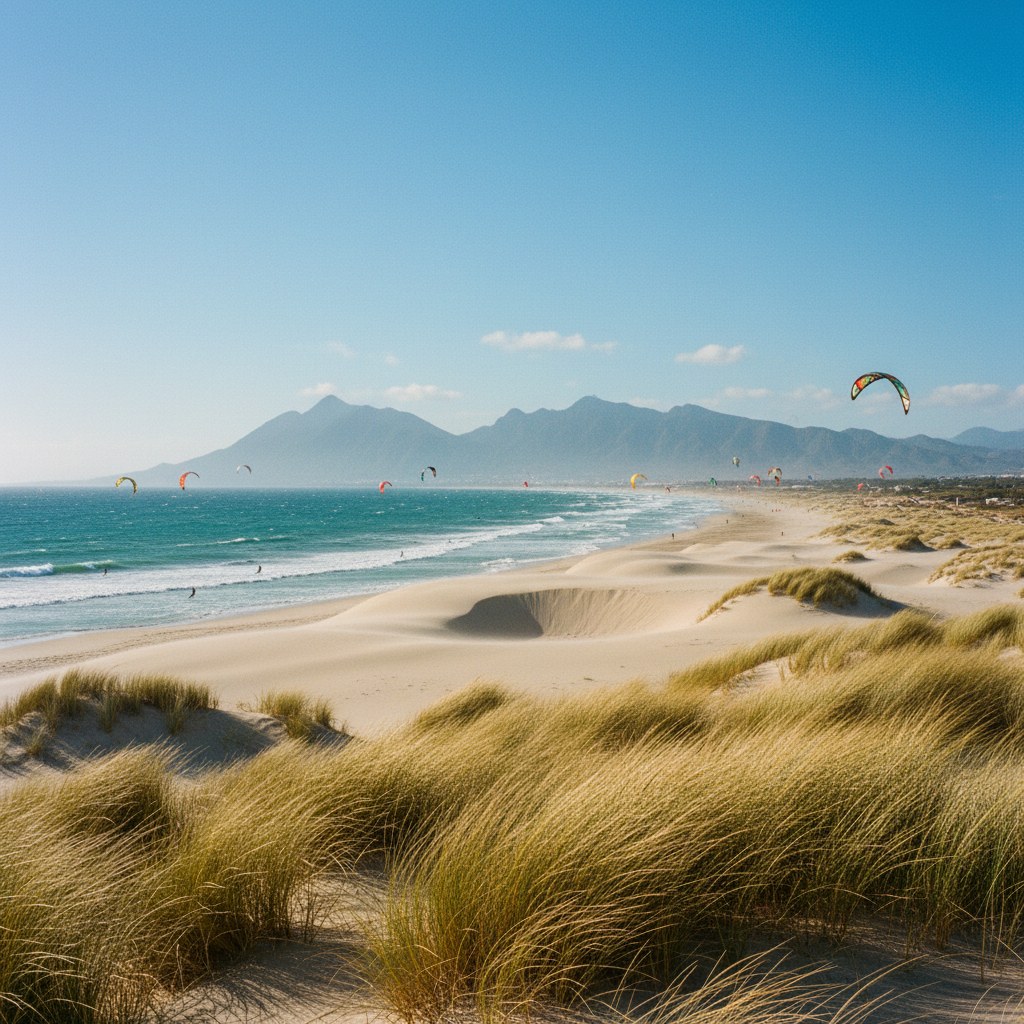
Science shadows the spectacle. Local marine biologists log every encounter, recording pod size, calf numbers and behaviour to build one of the longest cetacean datasets in the western Mediterranean, and that record now guides conservation across a strait crossed by heavy shipping and warmed by a shifting climate. The setting frames it all: the white hills of Andalucía to the north, the Rif mountains of Morocco clear on most mornings to the south. Between them the wind that made Tarifa a kite-surfing capital moves the sea, and calm dolphin watching cruises read it each morning while whale watching excursions share the channel with cargo lanes. Tarifa whale and dolphin watching endures here as both livelihood and science along a narrow, crowded seam of ocean.

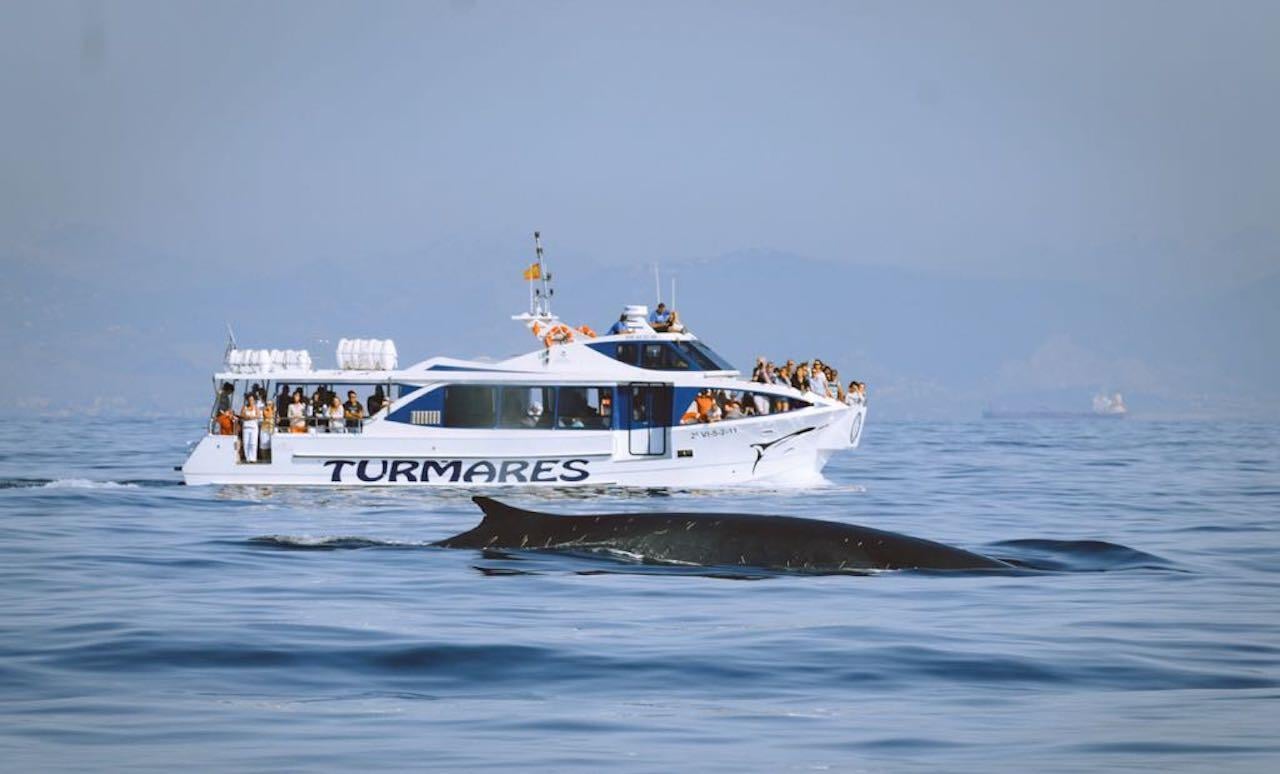
Where the Atlantic meets the Mediterranean, seven species of cetacean cross a channel barely fourteen kilometres wide.

Dress code

Participating in tarifa whale and dolphin watching requires dressing in layers due to offshore winds. Windproof jackets, closed-toe shoes with rubber soles, and sunglasses are highly recommended to stay warm and secure on the open deck.

Bags & security

Large luggage pieces are not permitted on board the vessels due to limited deck space. Small daypacks and cameras are allowed but must be stored securely at your feet or under seats to prevent movement during waves.

Photography

Camera equipment should be secured with neck straps to prevent loss in choppy seas. Marine biologists suggest using telephoto lenses for capturing distant dorsal fin details without disrupting the animals.

Families & strollers

Children love tarifa whale and dolphin watching because they can spot marine life close to the boat. Infants must wear life jackets provided by the operator, and strollers must be left at the harbor ticket office.

Accessibility

Boarding points for tarifa whale and dolphin watching have limited wheelchair access depending on tide levels. The gangways can become steep, so passengers with mobility issues should coordinate with the crew prior to arrival.

Food & drink

Passengers are permitted to bring small bottles of water and light dry snacks on board. Alcoholic beverages are strictly prohibited, and no food is sold during the two-hour excursion.

Not allowed

× Large suitcases × Drones × Alcoholic beverages × Glass bottles × Single-use plastic bags × Selfie sticks × Laser pointers × Flammable materials × Weapons × Skateboards × Pets

What to bring

✓ Windproof jacket ✓ Polarized sunglasses ✓ Sunscreen SPF 50 ✓ Sea-sickness medication ✓ Camera with strap ✓ Binoculars ✓ Valid ID card

Opening hours

Mon 10:00 – 20:00

Morning trips offer calmer seas.

Tue 10:00 – 20:00

Afternoon departures may face stronger winds.

Wed 10:00 – 20:00

Mid-week tours usually have moderate crowds.

Thu 10:00 – 20:00

Daily schedules depend on marine weather.

Fri 10:00 – 20:00

Weekend crowds begin to increase.

Sat 10:00 – 20:00

Saturday is often the busiest day.

Sun 10:00 – 20:00

Sunday operations follow normal summer schedules.

How to get there

Closures & exceptions

  • ·Nov 1 – Feb 28 — Winter seasonal closure

At a glance

Hours

10:00–20:00

Address

Calle Alcalde Juan Núñez, 3, Local 12, 11380 Tarifa, Spain

Best Arrival Window

10:00–12:00

Tickets

Secure your tarifa whale and dolphin watching tickets online to guarantee your departure.

Meeting Point

Local 12 at Calle Alcalde Juan Núñez, 3

Getting there

Car · 1h 20m from Cadiz · 15 EUR parking fee

Drive along the N-340 highway directly into Tarifa. Park at the public harbor parking lot near the ticket office for your Tarifa dolphin watching boat trip.

Public transport · 1h 30m from Algeciras · 5-10 EUR bus ticket

Take the TG Comes bus from Cadiz or Algeciras directly to the Tarifa central bus station, then walk 15 minutes to the port.

Walk · 10 min from town center · Free

From the historic center of Tarifa, walk south towards the harbor along Calle Alcalde Juan Núñez.

Cancellation policy

Cancellations made at least 24 hours prior to departure receive a full refund of the 50 EUR ticket. If the operator cancels due to unsafe sea conditions, passengers receive a full refund or a free rescheduling option.

Plan your time

Best Times and Duration for Your Tarifa Whale and Dolphin Watching Excursion

Recommended time

2-3 hours for a standard tarifa whale and dolphin watching excursion

Successfully participating in a tarifa whale and dolphin watching tour requires arriving early for a mandatory 30-minute pre-departure check-in before boarding this cetacean watching trip. This check-in window ensures that all passengers are safely boarded and briefed on safety guidelines before the vessel departs into the Strait of Gibraltar. Purchasing your tarifa whale and dolphin watching tickets in advance is highly recommended to secure a spot on the morning departures. These early trips align with the optimal 10:00–12:00 window, which regularly offers calmer sea conditions and superior lighting for spotting resident cetaceans and other marine life. Booking tarifa whale and dolphin watching tours during these hours also helps passengers avoid the stronger winds and choppy waters that typically develop later in the day.

Crowd levels through the day

10:00–12:00 Moderate
12:00–14:00 Busy
14:00–17:00 Peak
17:00–20:00 Moderate
Plan ahead

Best time to visit Tarifa Whale and Dolphin Watching

Weather · crowds · average price — dots go green to amber to red as each metric rises.

Spring (April to June)

Ideal for spotting migrating fin whales and sperm whales. Seas are generally calm, but spring showers can occasionally cause departure delays.

Summer (July to August)

Peak period for observing killer whales hunting bluefin tuna. This warm season offers a responsible Gibraltar marine safari experience under clear skies.

Autumn (September to November)

Excellent time to observe resident common dolphins and striped dolphins. The weather is cooler and harbor crowds are significantly reduced.

Winter (December to March)

Most operators pause scheduled tours due to harsh Atlantic winds and low tourist numbers. Private charters are occasionally available on calm days.

Insider tips

Helpful tips for visiting Tarifa Whale and Dolphin Watching

Book early in your stay

Book your tarifa whale and dolphin watching tours early in your vacation to allow rescheduling in case of high winds.

Check Spanish sea terminology

Look up local booking terms like Avistamiento de cetáceos en Tarifa to find the best local operator rates and schedules.

Prevent motion sickness

Take motion sickness medication about 30 minutes before boarding, as the currents in the Strait of Gibraltar can be surprisingly strong even on sunny days.

Dye-free sunscreen is preferred

Use mineral-based, reef-safe sunscreen to minimize chemical impact on the local marine biosphere.

Stay on the lower deck for stability

If you are prone to seasickness, sit on the lower deck near the center of gravity of the vessel where movement is minimized.

Bring a telephoto lens

A lens with a focal length of 200mm or more is ideal for capturing clean shots of whale blowholes and dorsal fins from the regulatory safety distance.

Where to meet

Tarifa Whale and Dolphin Watching meeting points

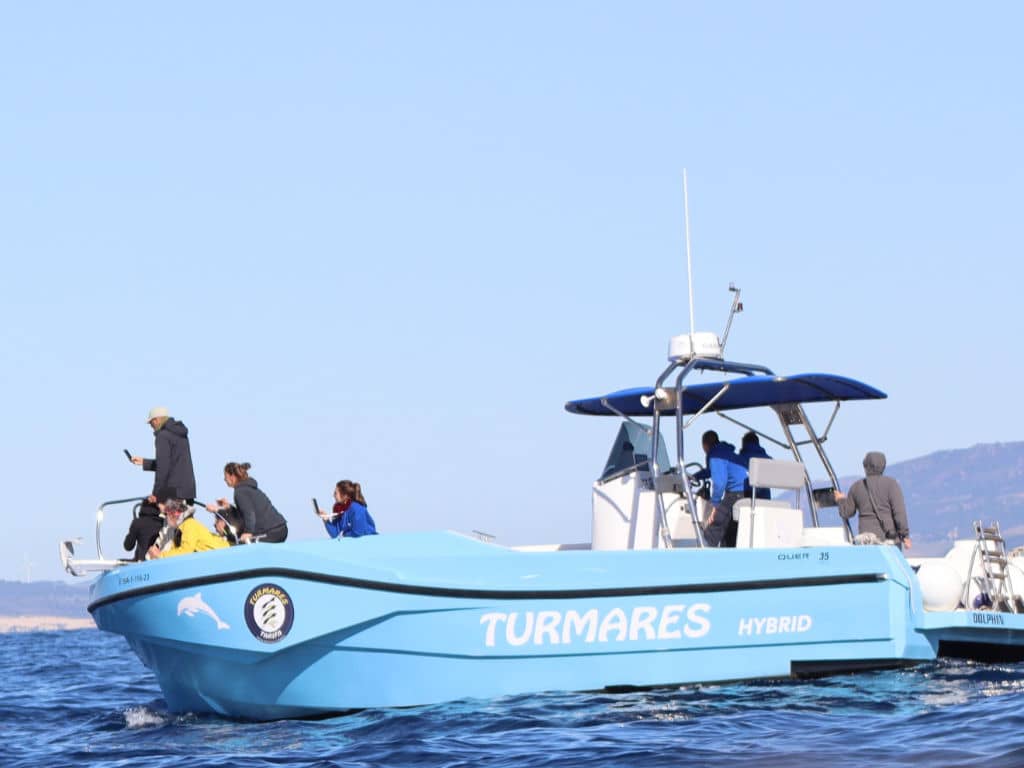
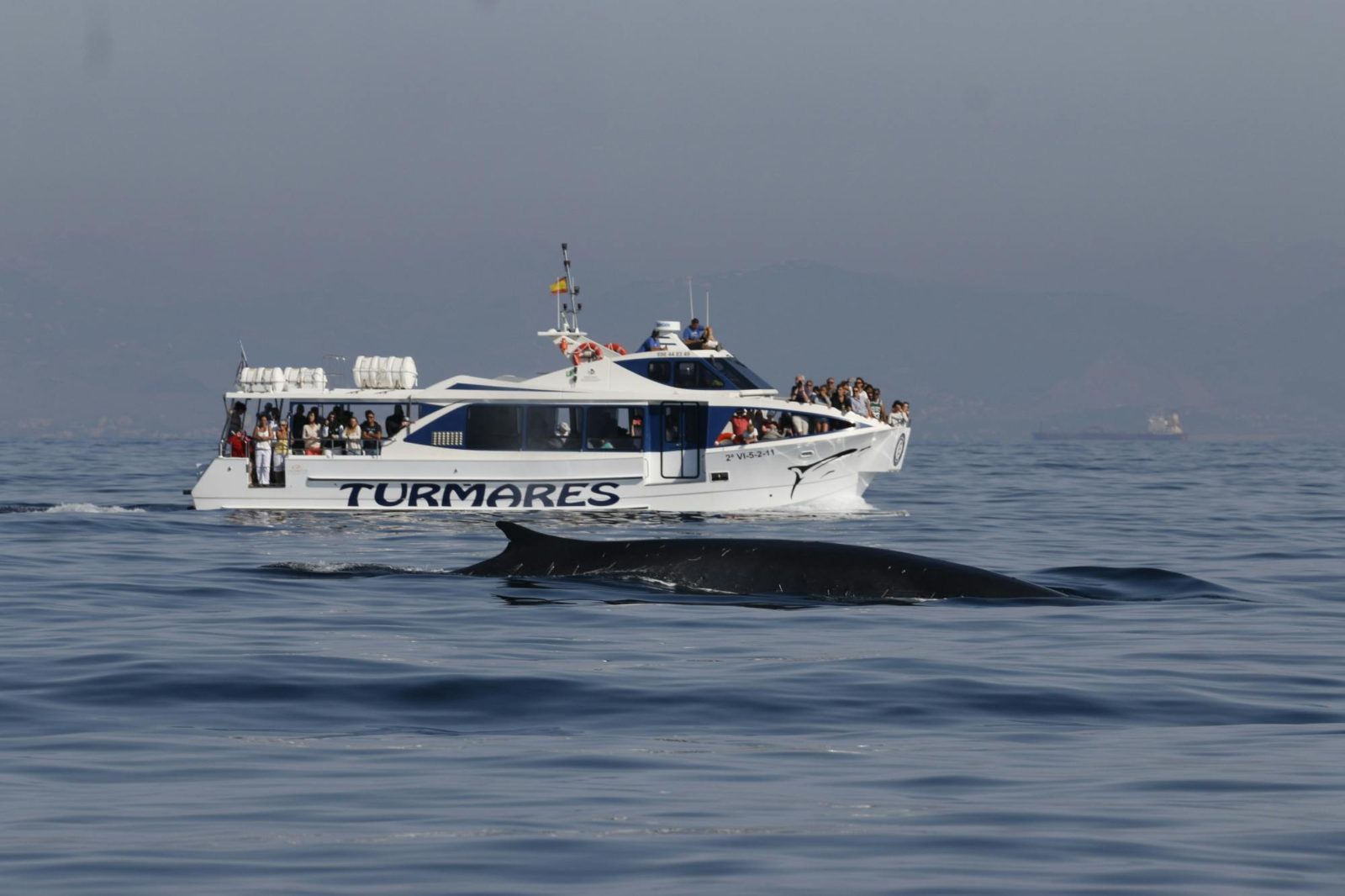
Turmares Main Office

Turmares Main Office

Calle Alcalde Juan Núñez, 3, Local 12, 11380 Tarifa, Spain

Arrive 30 minutes before departure for ticket validation.

Get directions
The story

The history of Tarifa Whale and Dolphin Watching

The Strait of Gibraltar has drawn observers to its currents since antiquity. Tarifa marks the southernmost point of continental Europe, a dozen kilometres from the Moroccan coast. Roman fishers worked the tuna runs near Baelo Claudia, a town founded in the late second century BC. Commercial cetacean observation arrived far later. Only in the late 1990s did tarifa whale and dolphin watching take shape as an organised activity, on the fourteen-kilometre channel where the Atlantic meets the Mediterranean. A turning point came in 1998. That year Katharina Heyer, a Swiss former gallery owner, established the FIRMM foundation in Tarifa to study resident pilot whales and passing common dolphins. Her research anchored the town's reputation and shaped the ethics of local avistamiento de cetáceos. Structured tarifa whale and dolphin watching tours soon departed the small fishing harbour. By the mid-2000s several licensed vessels shared the same quay. The Strait's cetacean calendar sets the rhythm. Long-finned pilot whales stay year-round. Sperm whales pass in spring, while striped and bottlenose dolphins are common through summer. Killer whales have shadowed the bluefin tuna run each July and August; since 2020 their interactions with vessels have drawn fresh scrutiny across every tarifa whale and dolphin watching tour bound for the deeper channel. The tuna these orcas pursue have crossed the Strait for millennia, harvested since Roman times by the almadraba nets still set along the coast. What survives today is a disciplined trade rather than a spectacle. Spain's Royal Decree 1727/2007 codified minimum approach distances, giving legal weight to earlier voluntary practice. From the harbour, the modern tarifa whale and dolphin watching operation blends field science with tourism. Every departure logs its sightings, feeding a record that now spans more than two decades. Visitors reserving tarifa whale and dolphin watching tickets share the same waters that Heyer first charted in 1998.

2nd c. BC

Romans salt and trade tuna at Baelo Claudia beside the Strait of Gibraltar.

Late 1990s

Organised cetacean watching begins from Tarifa's small fishing harbour.

1998

Katharina Heyer founds the FIRMM research foundation in Tarifa.

2007

Spain's Royal Decree 1727/2007 sets legal approach limits for cetaceans.

2020

Killer whale interactions with boats in the Strait draw international attention.

2026

Licensed operators run daily two-hour excursions year-round from the Tarifa port.

Photo spots

Best photo spots at Tarifa Whale and Dolphin Watching

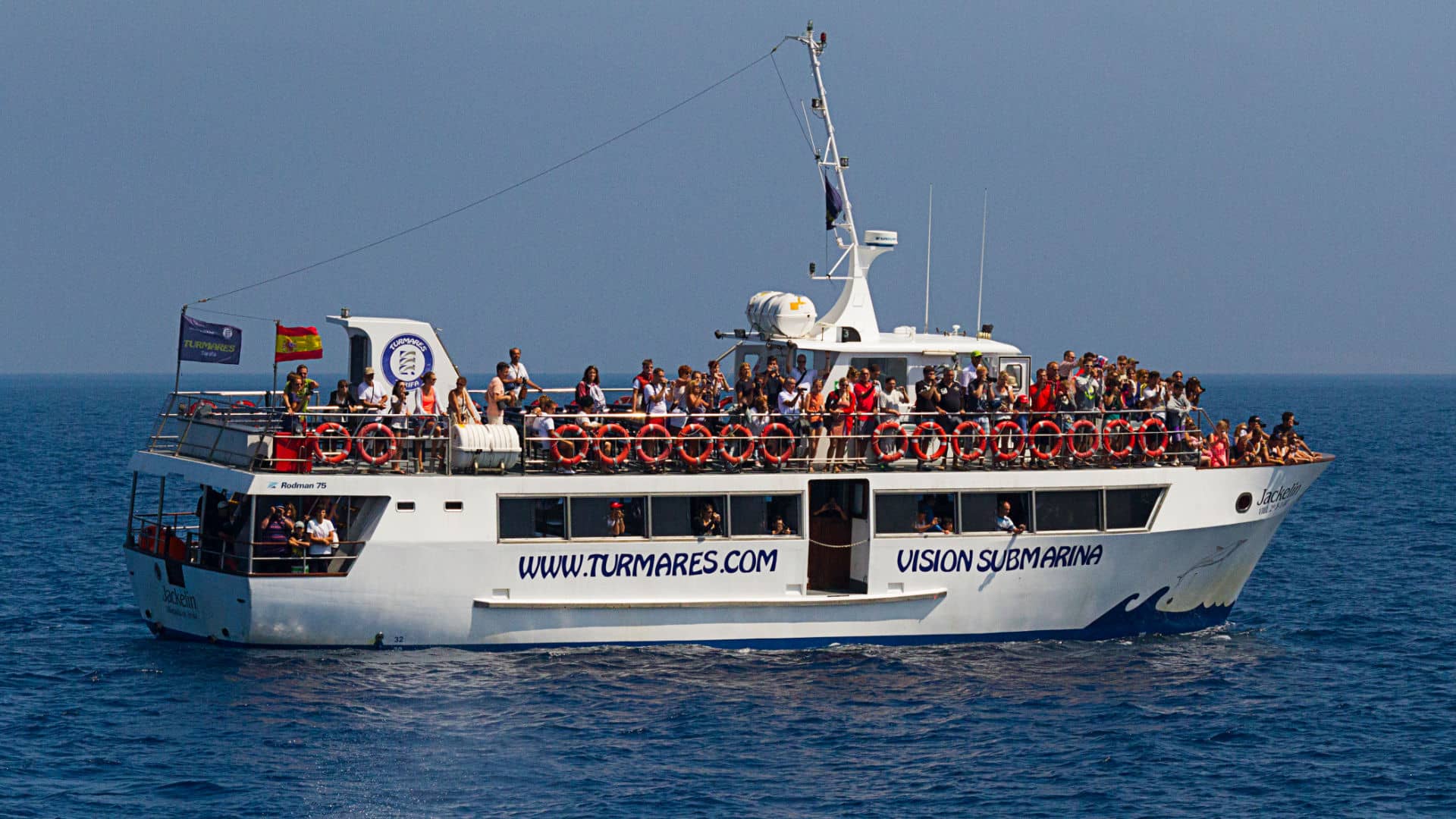
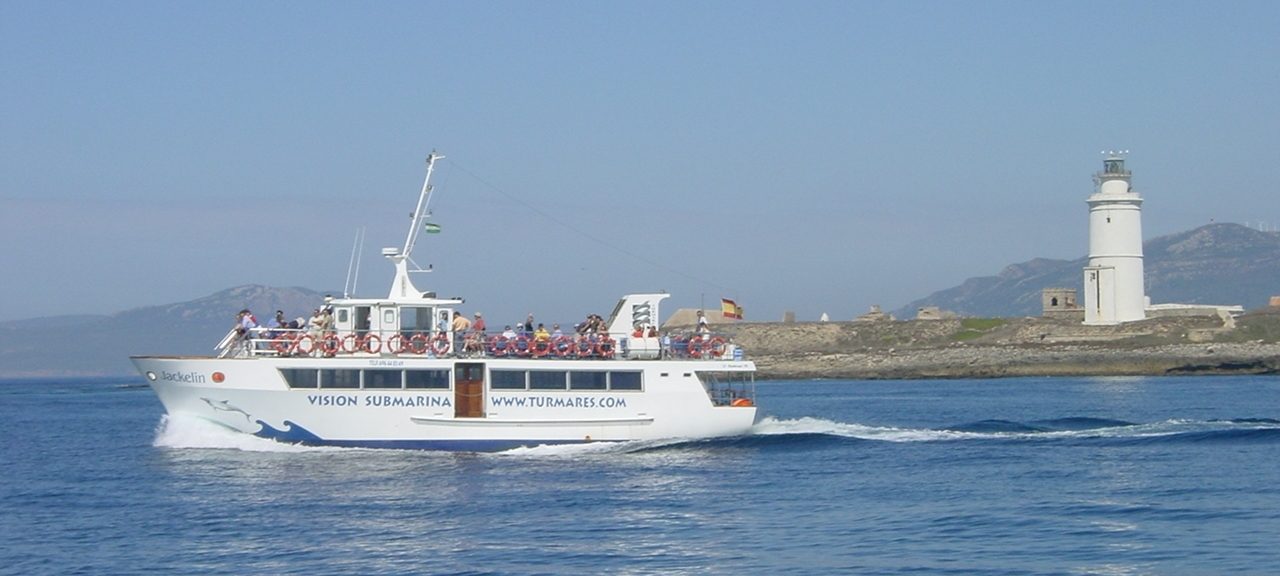
Jackelin Upper Deck

Jackelin Upper Deck

Best light · Morning departures

Capture wide-angle shots of the Strait of Gibraltar and the Moroccan coastline from the elevated platform. This spacious deck is ideal for tracking marine life after purchasing your tarifa whale and dolphin watching tickets. Access requires boarding the vessel at the harbor.

Dolphin Tarifa Bow

Dolphin Tarifa Bow

Best light · Midday tours

Position yourself on the front deck of this hybrid vessel to capture low-angle, close-up shots of cetaceans. The quiet electric motors minimize disturbance, allowing for natural wildlife photography during your tarifa whale and dolphin watching tour.

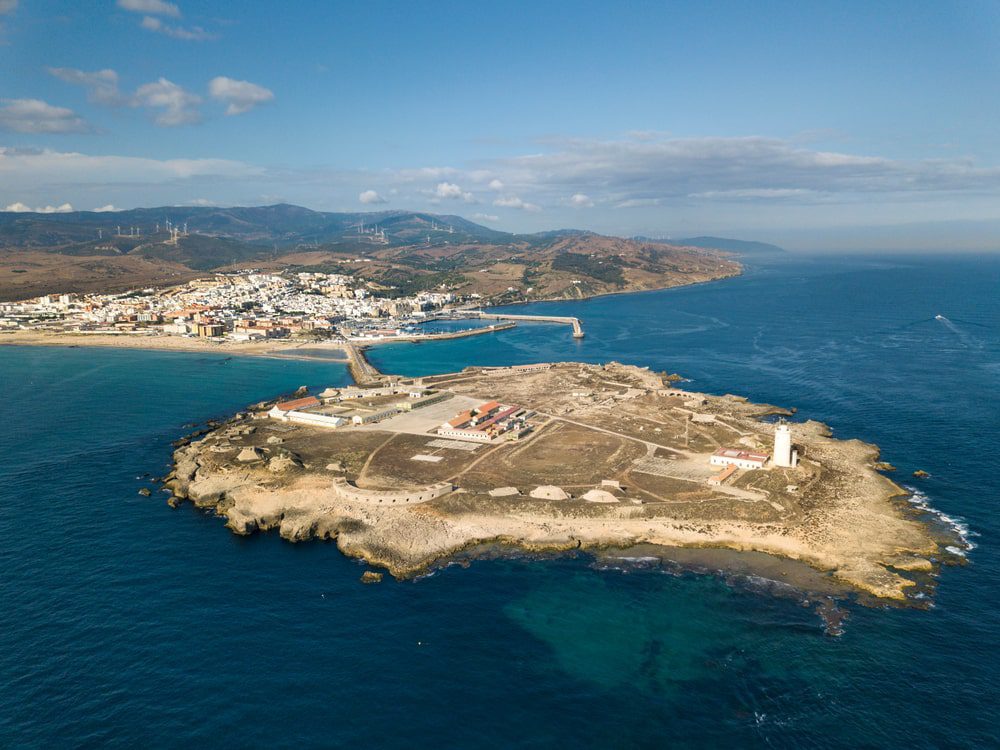
Isla de las Palomas Causeway

Isla de las Palomas Causeway

Best light · Late afternoon

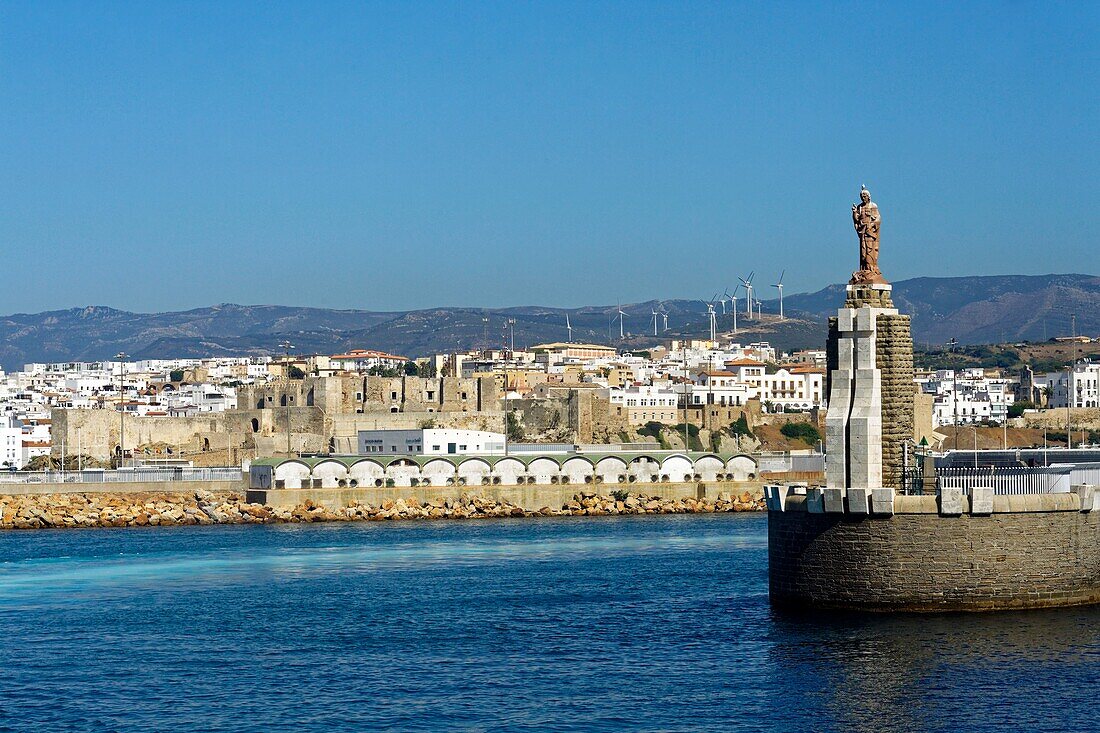
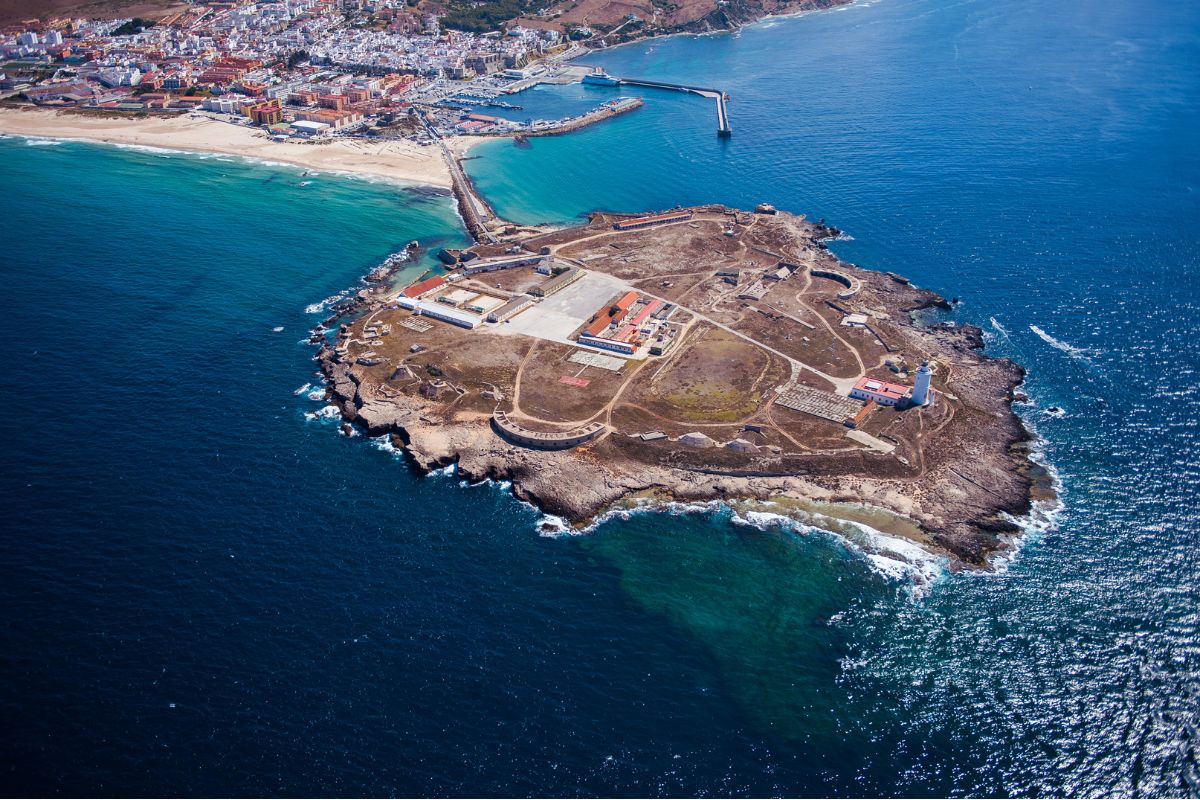
Stand on the pedestrian causeway connecting the mainland to the island, dividing the Mediterranean and Atlantic. From here, use a telephoto lens to capture boats leaving the port to start their tarifa whale and dolphin watching tours.

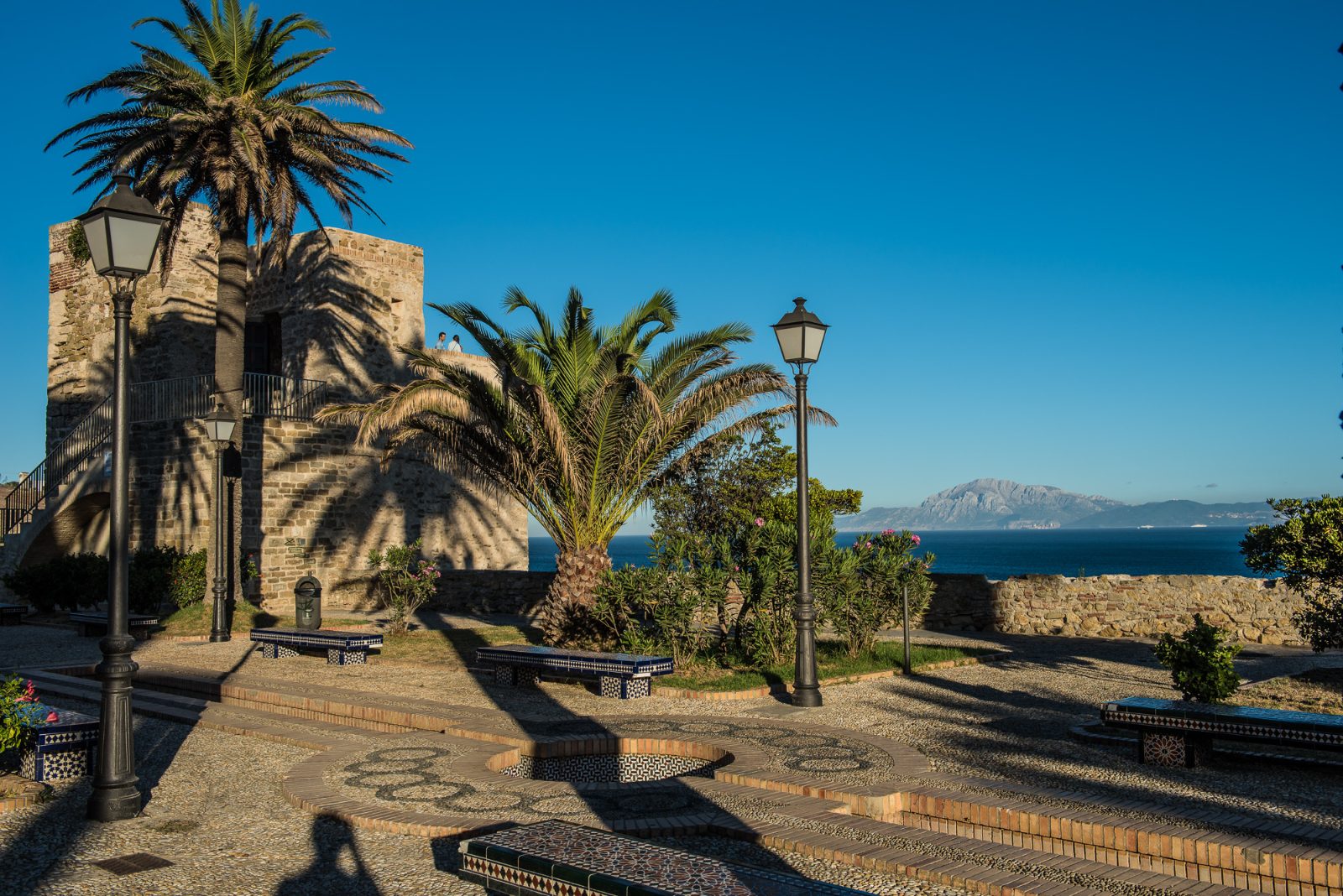
Mirador África

Mirador África

Best light · Golden hour

Located on the historic city walls of Tarifa, this viewpoint looks directly out across the narrowest point of the Strait. It is a scenic land-based vantage point to photograph ships navigating the shipping lanes or departing for tarifa whale and dolphin watching.

Gallery

Moments from Tarifa Whale and Dolphin Watching

With kids

A Family Guide to Watching Whales and Dolphins in the Strait of Gibraltar

Taking kids on a tarifa whale and dolphin watching adventure in the windy Strait of Gibraltar is a great way to introduce them to marine life. Keep in mind that boat rides can get bumpy.

Sea Sickness

Book the 10:00–12:00 morning window when waters are calmest. Give kids motion sickness medication before boarding the tarifa whale and dolphin watching tour to keep them comfortable.

Strollers

While large catamarans allow folded strollers, a baby carrier is much easier. Pushchairs must be folded and stored securely to keep walkways clear for cetacean sightings.

Wind & Clothing

The Strait of Gibraltar is very windy, and temperatures drop fast once moving. Dress children in warm layers and windbreakers, even during summer.

Tiers & Tickets

Get your tarifa whale and dolphin watching tickets early. The standard 2-hour boat trip ticket costs 50 EUR per adult, securing your family a spot on the water.

Safety Gear

Children receive fitted life jackets before departure. Crew briefings make these tarifa whale and dolphin watching tours safe and secure for all ages.

Food & drink

Where to Eat Near the Tarifa Boat Terminals

A short walk from the port of Tarifa, visitors can find excellent Andalusian seafood spots. These options are ideal before or after setting out to view marine wildlife on a tarifa whale and dolphin watching excursion in the Strait of Gibraltar.

El Patio

€€-€€€

Mediterranean — 1 min walk

Located inside La Residencia Puerto Hotel, this venue features a plant-filled courtyard serving seafood paella and fresh local tuna. It is a peaceful spot to relax after tarifa whale and dolphin watching tours depart.

BoccaBuena Puerto

€€

Mediterranean Grill — 1 min walk

This harbor-side gastro grill specializes in tuna tataki, paella senyoret, and grilled meats. It offers a convenient dining option right after finishing a tarifa whale and dolphin watching tour.

Restaurante El Ancla

€€

Seafood — 3 min walk

A traditional tavern housed in a former boat builder workshop specializing in fresh local fish. Order the Almadraba red tuna or fried cod before picking up your tarifa whale and dolphin watching tickets.

FAQ

Tarifa Whale and Dolphin Watching — frequently asked questions

Everything you need to know for your journey

Around the corner

More to see near Tarifa Whale and Dolphin Watching

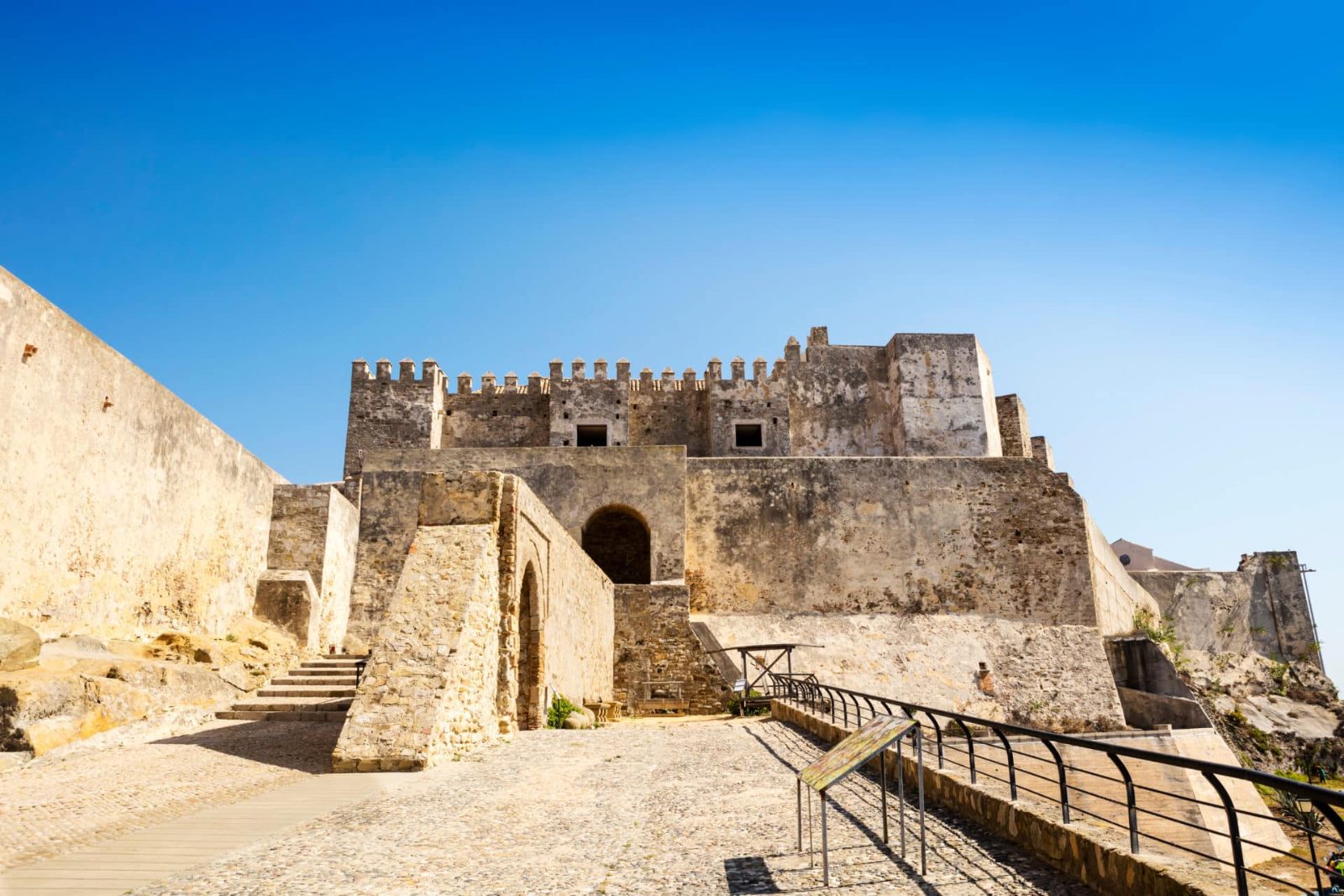
Castillo de Guzmán el Bueno

Castillo de Guzmán el Bueno

5 min walk

landmark

A well-preserved medieval fortress dating back to 960 AD, offering views of the Strait of Gibraltar.

Isla de las Palomas

Isla de las Palomas

10 min walk

landmark

The southernmost point of mainland Europe, separating the Atlantic Ocean and the Mediterranean Sea.

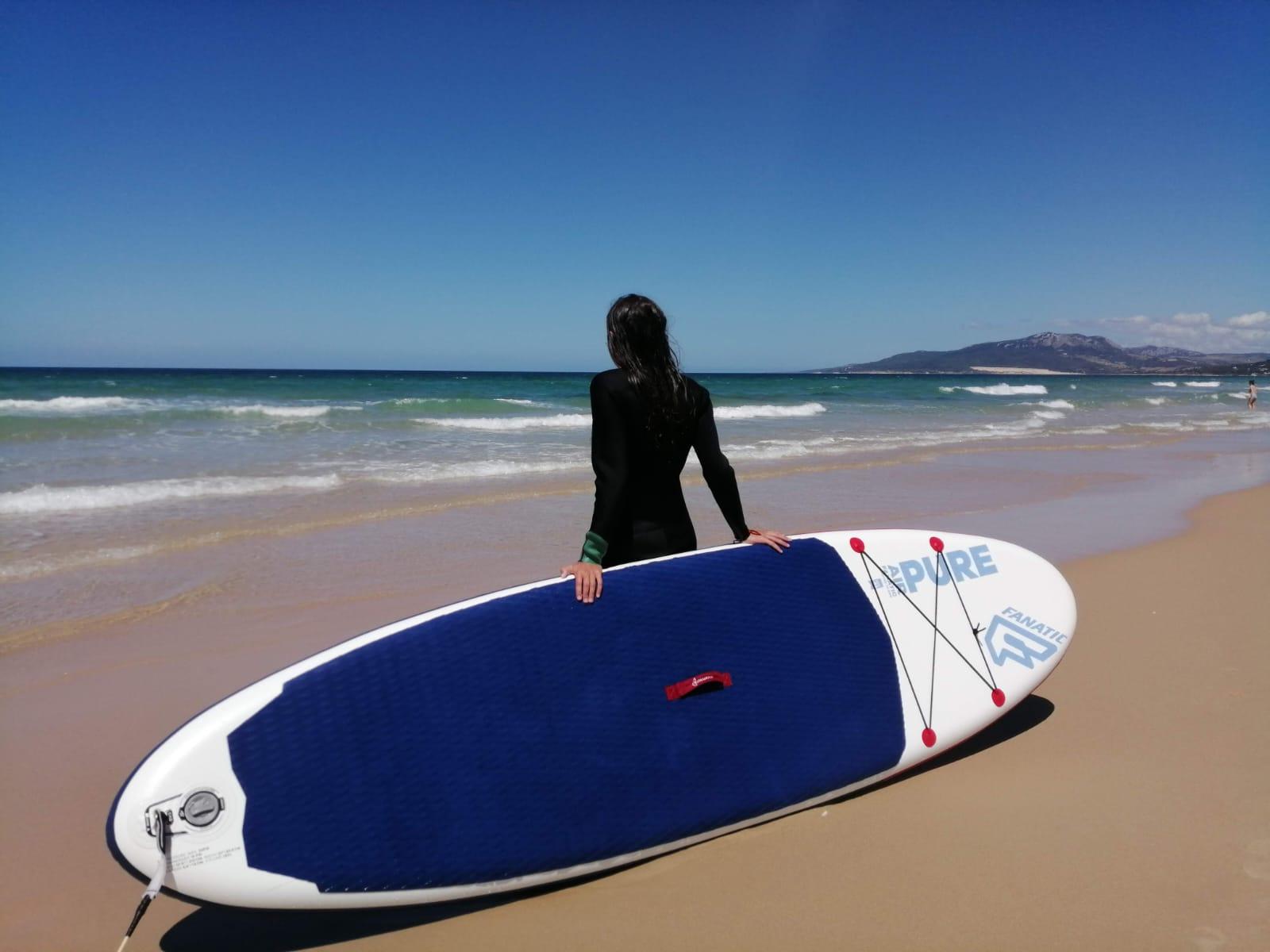
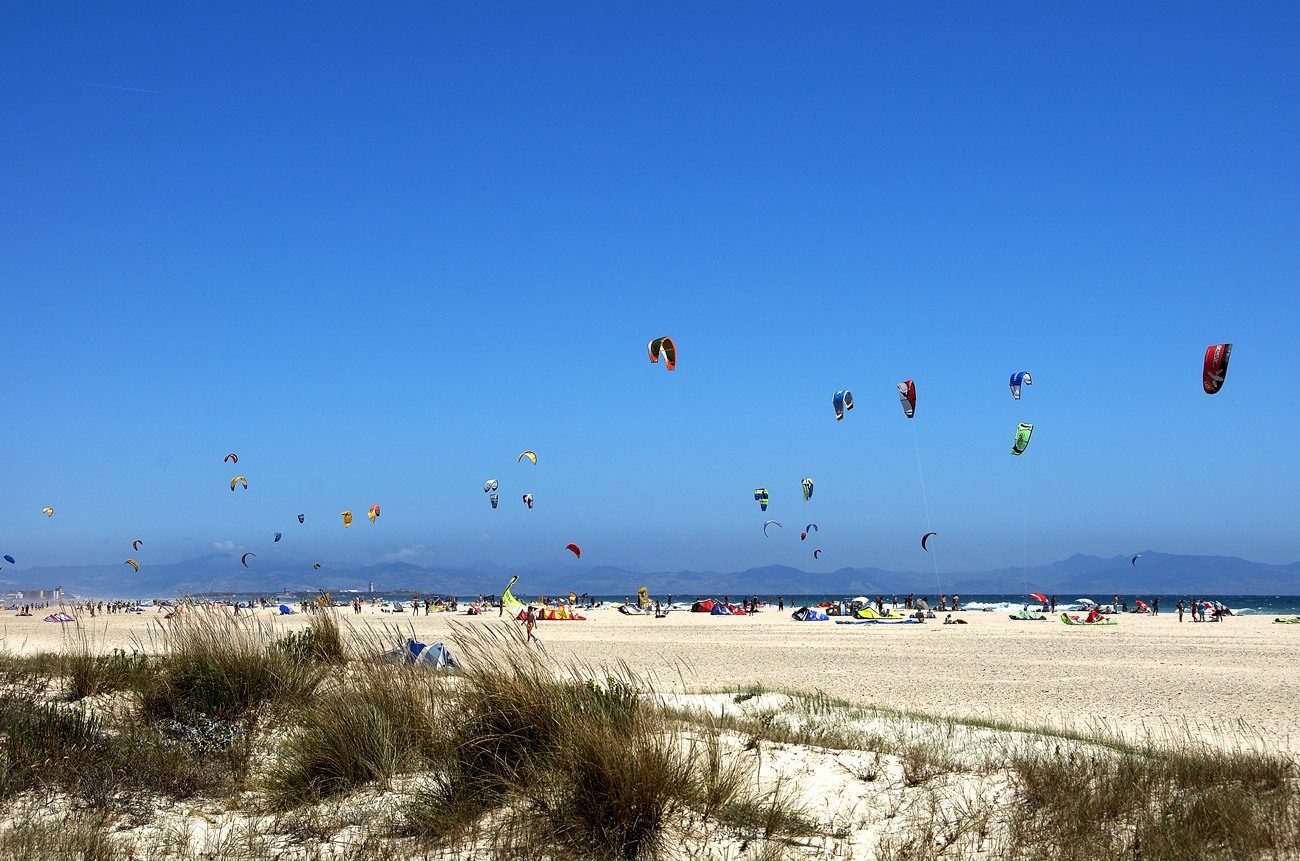
Playa de Los Lances

Playa de Los Lances

15 min walk

viewpoint

A wide white-sand beach famous for windsurfing and kitesurfing, offering views of the Moroccan mountains.

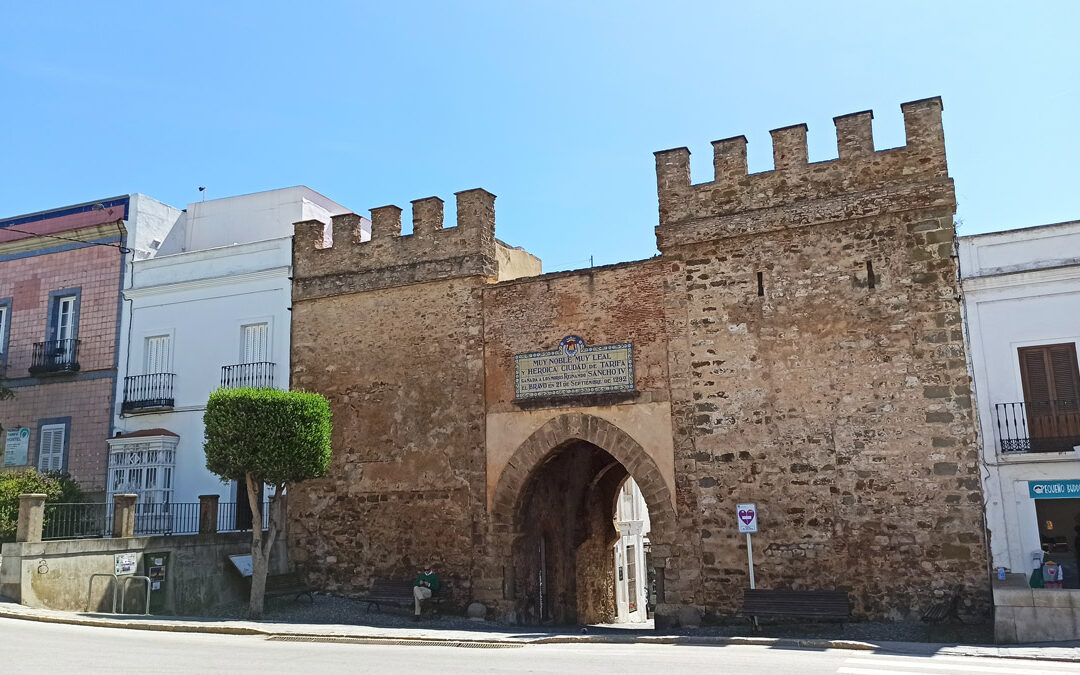
Puerta de Jerez

Puerta de Jerez

10 min walk

landmark

The historical Moorish gateway that serves as the main entrance to Tarifa's walled old town.

Where to stay

Where to stay near Tarifa Whale and Dolphin Watching

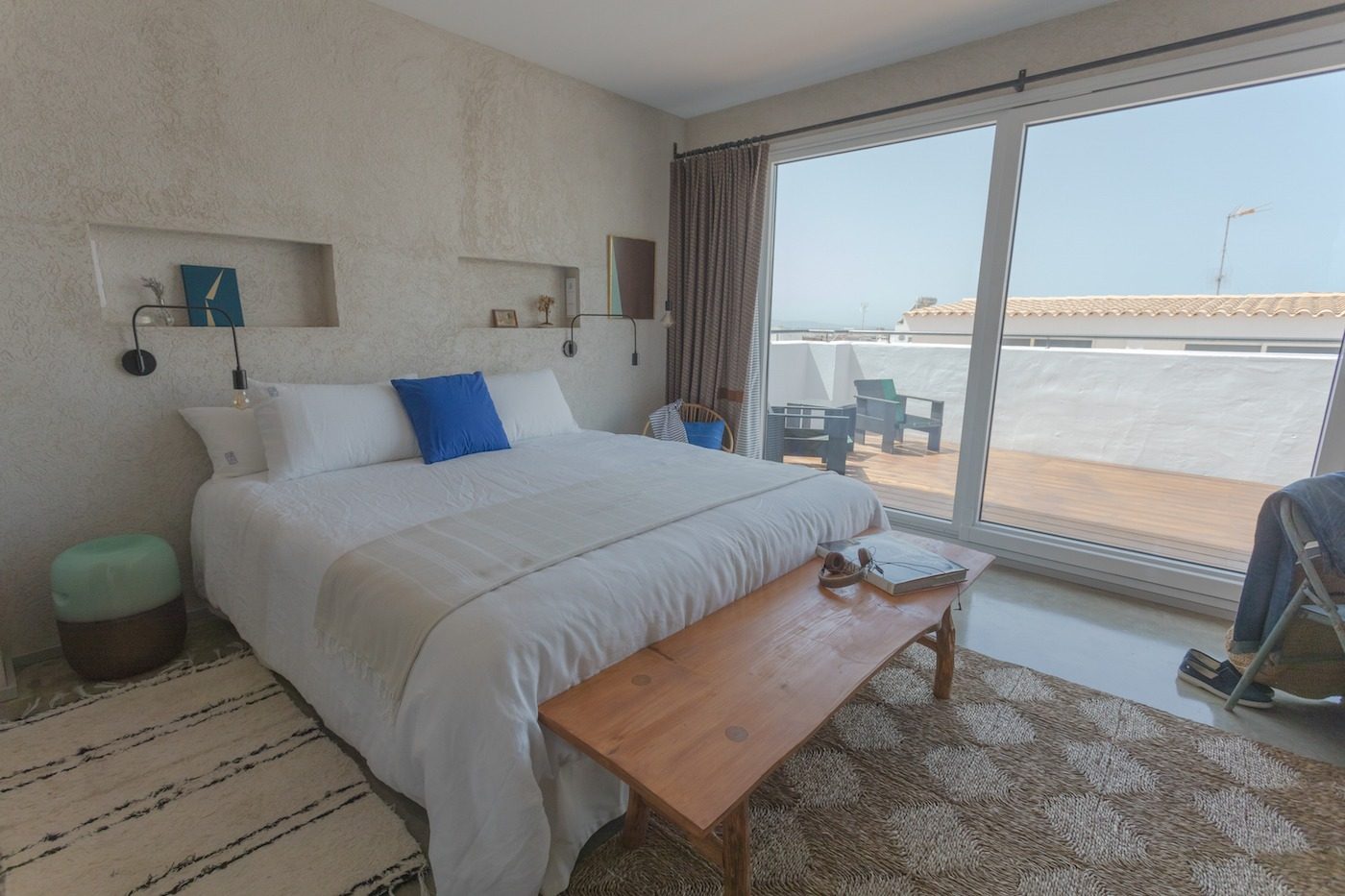
Hotel Kook Tarifa

Hotel Kook Tarifa

8 min walk

boutique

A stylish boutique hotel located in the old town featuring a rooftop terrace with views over the historic streets.

Hotel Hurricane

Hotel Hurricane

10 min drive

mid-range

A beachside hotel located slightly outside town, featuring lush gardens and direct access to Valdevaqueros beach.

La Residencia Tarifa

La Residencia Tarifa

3 min walk

luxury

An upscale hotel located close to the harbor, offering modern apartments and a heated infinity pool overlooking the strait.

Ready for Adventure?

Join thousands of happy travelers who have discovered this incredible experience

Book Your Experience Now